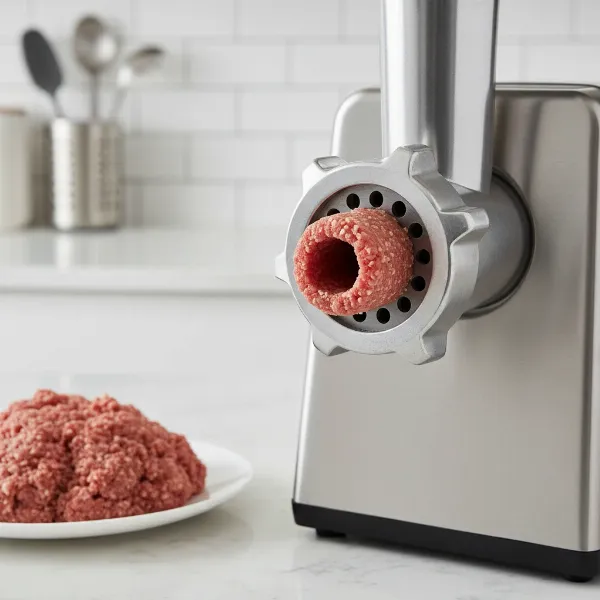
Grinding your own meat at home offers unparalleled freshness and control over your ingredients. Yet, after perfecting your blend, you’re often left with a significant amount of animal fat, and handling it improperly can lead to serious headaches. Far too many home cooks fall into the trap of pouring this fat down the drain, unaware of the costly and environmentally damaging consequences. This comprehensive guide will equip you with the best practices for safe, eco-friendly disposal and even explore creative ways to reuse that valuable rendered fat, ensuring your kitchen remains pristine and your conscience clear.
Why Proper Fat Disposal Matters
Understanding the repercussions of improper fat disposal is the first step towards adopting better habits. It’s more than just a minor inconvenience; it can lead to significant plumbing issues and environmental harm.
Clogged Drains and “Fatbergs”
|
Our Picks for the Best Meat grinder in 2026
As an Amazon Associate I earn from qualifying purchases.
|
||
| Num | Product | Action |
|---|---|---|
| 1 | CHEFFANO Electric Meat Grinder, [2000W Max] Heavy Duty Meat Mincer with 2 Blades, 3 Plates, Sausage Tube & Kubbe Kit for Home Kitchen Use |
![Check CHEFFANO Electric Meat Grinder, [2000W Max] Heavy Duty Meat Mincer with 2 Blades, 3 Plates, Sausage Tube & Kubbe Kit for Home Kitchen Use on Amazon](https://meatgrinderpro.com/wp-content/plugins/amazon-tables/assets/images/buy.png)
|
| 2 | Meat Chopper, Hamburger Grinder, Premium Heat Resistant Smasher for Ground Beef, Burger Grinder Nylon Potato Mix Tool, Meat & Poultry Tenderizers-Black |
|
| 3 | GANIZA Food Processors, Electric Food Chopper with Meat Grinder & Vegetable Chopper - 2 Bowls (8 Cup+8 Cup) with Powerful 450W Copper Motor - Includes 2 Sets of Bi-Level Blades for Fruits/Meat/Nuts |
|
| 4 | CHEFFANO Meat Grinder, 2600W Max Stainless Steel Meat Grinder Electric, ETL Approved Heavy Duty Meat Mincer Machine with 2 Blades, 3 Plates, Sausage Stuffer Tube & Kubbe Kit for Home Kitchen Use |
|
| 5 | Meat Grinder, Sausage Stuffer, [2800W Max] Electric Meat Mincer with Stainless Steel Blades & 3 Grinding Plates,Sausage Maker & Kubbe Kit for Home Kitchen & Commercial Using |
|
| 6 | Electric Meat Grinder, Sausage Stuffer with 3 Sausage Tubes, 2 Blades, 3 Plates, 3200W Max, Meat Grinder Heavy Duty for Home Kitchen Use, Stainless Steel (Black) |
|
| 7 | KitchenAid Stand Mixer Attachment, Food Grinder KSMMGA, Metal Food Grinder |
|
| 8 | Meat Grinder Manual Mincer 2-in-1 Manual Meat Grinder Sausage Maker Table Mount Pork Mincer Sausage Stuffer Funnel Make Homemade Burger Patties Hand Operated Kitchen Tool FQ |
|
| 9 | LEM Products BigBite #8 Meat Grinder, 0.50 HP Stainless Steel Electric Meat Grinder Machine, Ideal for Regular Use |
|
| 10 | Oaomi 3200W Max Electric Meat Grinder & Sausage Stuffer - Mincer Machine with Tool 2 Blade And 3 Plates, 3 Tubes & Kubbe Kit Tool for Home Kitchen Use(Black) |
|
The primary reason to never pour animal fat down any drain – be it your kitchen sink or toilet – is its tendency to solidify as it cools. Even if it goes down as a liquid, it will eventually congeal within your pipes, clinging to the interior walls. Over time, this sticky substance accumulates other food particles and debris, forming notorious “fatbergs” – massive, hardened blockages that can completely obstruct household plumbing and municipal sewer systems. These can cause expensive backups, overflows, and require professional intervention.
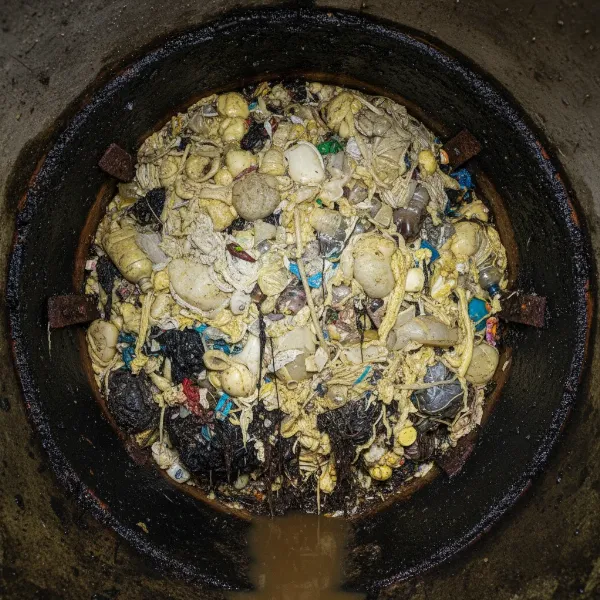 A grotesque "fatberg" clogging a sewer pipe, illustrating severe plumbing blockage from solidified grease and waste.
Environmental Impact
Beyond your immediate plumbing, the improper disposal of animal fats contributes to broader environmental problems. When fat clogs city sewers, it can lead to raw sewage overflows into local waterways, harming aquatic ecosystems. Dumping fat directly onto the ground is equally detrimental, as it can be toxic to local plants and wildlife, eventually leaching into the soil and groundwater. Responsible disposal protects not only your home but also the wider environment.
Safe Disposal Methods for Animal Fat
Fortunately, disposing of animal fat after grinding is straightforward when you know the correct methods. The goal is always to prevent it from entering your drainage system or harming the environment.
Solidify and Trash
The simplest and most common method for household fat disposal is to let it cool and solidify, then discard it with your regular trash.
- Cool and Collect: After grinding, allow any liquid fat to cool completely until it hardens. For larger quantities, carefully pour the still-warm (but not scorching hot) liquid fat into a dedicated, disposable container. Excellent options include empty milk cartons, old coffee cans, glass jars, sturdy Ziploc bags, or even aluminum foil shaped into a vessel.
- Scrape and Wipe: Once the fat is solid, use a spoon or spatula to scrape it out of the container. For remnants left in your meat grinder components or cooking pans, use paper towels to wipe them thoroughly clean before washing. These fat-soaked paper towels should also go directly into the trash.
- Freeze for Convenience: For an even cleaner disposal process, consider pouring cooled liquid fat into a plastic container, lidding it, and freezing it. When trash day arrives, you can easily pop out the solid block of fat and place it into your bin without any greasy mess or leaks.
- Commercial Solidifiers: Products designed to solidify cooking oil, often made from plant-based materials, can be sprinkled into warm fat. They transform liquid grease into a solid, easy-to-dispose-of block that can then be tossed in the trash.
Recycling Programs
Some communities offer recycling programs for used cooking fats, oils, and greases (FOG). These programs often convert the collected fat into biodiesel, an eco-friendly fuel alternative.
- Check Local Services: Contact your local waste management service or recycling center to inquire if they accept used animal fats. Requirements can vary, so it’s essential to understand their specific guidelines.
- Storage for Recycling: If accepted, store your cooled fat in a sealed, labeled container. Some centers may require fats to be kept separate if you’re mixing different types of animal fat with vegetable oils.
Commercial Disposal (Larger Quantities)
While primarily for businesses, understanding commercial practices can highlight the scale of fat disposal challenges. Restaurants and commercial kitchens often use grease traps to capture FOG before it enters the sewer system. Specialized rendering companies then collect and process these fats, converting them into valuable by-products like biodiesel, bone meal, or fertilizer. This isn’t a direct solution for home use but underscores the importance of proper handling.
What NOT to Do with Animal Fat
Equally important as knowing what to do is understanding what to avoid. These common mistakes can lead to serious and preventable problems.
Never Pour Down Drains or Toilets
This is the golden rule of fat disposal. Even small amounts accumulate and contribute to blockages. Hot water might seem to help it flow, but the fat will cool and solidify further down the pipes, away from your immediate view.
Avoid Dumping on the Ground
Dumping animal fat in your yard or garden is not a harmless act. It can attract pests, contaminate soil, and negatively impact local flora and fauna. The fat can also eventually wash into stormwater drains and ultimately enter natural waterways.
Be Cautious with Composting Animal Fat
While some plant-based oils can be composted in very small quantities, animal fats are generally not suitable for home composting. They can attract unwanted pests like rodents and insects, create unpleasant odors, and slow down the decomposition process by forming water-resistant barriers. The EPA advises against adding meat, fish, bones, dairy products, or fats, oils, and grease to backyard compost piles for these reasons.
No Liquid Fat for Bird Feeders
While birds need fat, especially in winter, liquid or semi-solid animal grease from your kitchen is not appropriate for bird feeders. If it gets on a bird’s feathers, it can impede their ability to fly and regulate body temperature, making them vulnerable. Only use commercially prepared suet specifically designed for birds.
Creative Ways to Reuse Animal Fat
Instead of simply disposing of animal fat, consider its potential for reuse. Rendered animal fat – like lard (pork fat) or tallow (beef fat) – is a traditional and flavorful cooking medium, and it has various non-culinary applications.
For Cooking
Rendered animal fat can be a culinary secret weapon, adding depth of flavor and excellent cooking properties to many dishes.
- Frying and Sautéing: Tallow and lard have high smoke points, making them ideal for frying, sautéing, and deep-frying. Imagine potatoes fried in beef tallow or eggs cooked in bacon fat.
- Baking: Lard is renowned for creating incredibly flaky pie crusts, biscuits, and pastries.
- Seasoning Cast Iron: Animal fats are excellent for seasoning and maintaining cast iron cookware, building a durable, non-stick surface.
- Flavor Enhancer: A spoonful of rendered fat can elevate the taste of roasted vegetables, stews, or even a simple pan sauce.
To reuse fat for cooking, strain it through a fine-mesh sieve or cheesecloth after grinding or cooking to remove any meat particles. Store the clarified fat in an airtight container in the refrigerator or freezer. Properly stored, it can last for months.
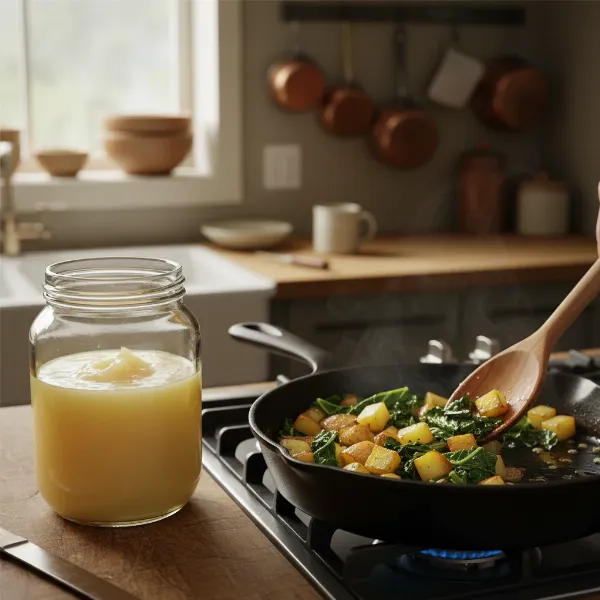 A clear glass jar filled with golden, rendered animal fat, next to a pan frying vegetables, symbolizing reuse in cooking.
Homemade Products
Beyond the kitchen, animal fat offers surprising versatility for crafting homemade goods.
- Soap Making: Tallow and lard are foundational ingredients in traditional soap making, producing hard, long-lasting bars.
- Candles: Rendered fat can be used to make rustic, long-burning candles.
- Skincare: Historically, tallow has been used in balms and moisturizers due to its skin-nourishing properties.
Wildlife (Specific Conditions)
For those in cold climates, properly prepared suet from animal fat can be a valuable food source for wild birds. This typically involves mixing rendered, solidified fat with birdseed. Crucially, ensure it remains solid and is not soft or sticky, which could harm birds. This is usually more applicable to raw, rendered fat rather than ground meat fat with other ingredients.
Sharing and Donating
If you render a significant amount of high-quality animal fat that you won’t use yourself, consider offering it to others. Many people prefer to cook with traditional animal fats, and with rising grocery costs, it can be a welcome gift. Local “buy nothing” groups or community forums can be a great way to connect with others interested in acquiring rendered tallow or lard.
Conclusion
Disposing of animal fat after grinding doesn’t have to be a messy or environmentally irresponsible chore. By understanding the critical importance of keeping fats out of your drains and adopting simple, effective disposal methods like solidifying and trashing, you protect your plumbing, safeguard the environment, and demonstrate responsible kitchen practices. Even better, explore the rich culinary potential of rendered animal fats or their creative uses in homemade products. With these insights, you’re now equipped to handle every aspect of your home meat grinding experience, from prep to cleanup, like the seasoned pro you are.
What steps will you take to ensure your animal fat disposal is both effective and eco-conscious?
Frequently Asked Questions
Can I compost animal fat?
Generally, it is not recommended to compost animal fat in home compost piles. Animal fats attract pests like rodents and flies, can create unpleasant odors, and their slow decomposition can disrupt the balance of your compost. While some specialized industrial composting facilities may accept it, for most home composters, it’s best to avoid.
What are fatbergs?
Fatbergs are enormous, hardened masses formed in sewer systems when fats, oils, and greases (FOG) solidify and combine with other non-biodegradable waste, such as wet wipes. They can grow to monumental sizes, completely blocking pipes and causing severe sewage backups and environmental issues.
How long can I store rendered fat for reuse?
Properly rendered and strained animal fat (like lard or tallow) can be stored for extended periods. In an airtight container in the refrigerator, it typically lasts for several months. For longer storage, up to a year or more, rendered fat can be frozen. Always check for any off-smells or discoloration before reuse.
Can I pour liquid fat down the drain if I run hot water?
No, pouring liquid fat down the drain, even with hot water, is a common misconception and a major cause of clogs. While hot water might temporarily allow the fat to flow, it will cool and solidify as it travels further down the pipes, eventually leading to blockages. It’s always best to solidify and dispose of it in the trash.