Ever wonder why that store-bought ground beef never quite hits the mark? It often lacks the rich flavor and perfect texture you crave for your burgers or bolognese. The secret, my friend, isn’t some fancy, overpriced cut of meat; it’s grinding it yourself. But figuring out How To Choose A Meat Grinder can feel like a daunting task. With all the options out there, it’s easy to get lost. Don’t worry, I’ve been there. I remember my first grinder—a clunky hand-me-down that was more workout than a kitchen tool. Since then, I’ve learned a thing or two, and I’m here to guide you through the process, so you can find the perfect machine to elevate your culinary game.
What’s a Meat Grinder Anyway? A Quick Look Back
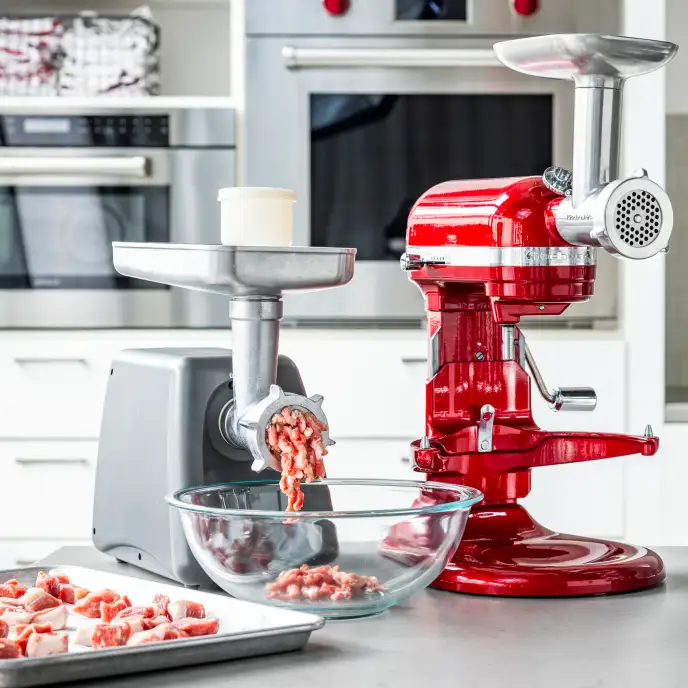
A meat grinder is a kitchen appliance that minces, or “grinds,” raw or cooked meat, fish, vegetables, or similar foods. It works by pushing the food down a horizontal shaft with a rotating auger (a screw-like component), forcing it through a cutting blade and then out through a grinding plate with small holes. While modern electric models are a marvel of convenience, their origins are humble, dating back to the 19th century with the invention of the first manual, hand-cranked grinders.
Why Should You Own a Meat Grinder?
The benefits of grinding your own meat go far beyond just bragging rights. It’s a game-changer for anyone serious about the quality and taste of their food.
- Unbeatable Flavor and Texture: When you grind meat fresh, you preserve its natural fats and juices. This results in a more flavorful, tender, and succulent final product. The difference between a burger made with fresh-ground chuck and a pre-packaged one is night and day.
- Total Quality Control: You know exactly what’s in your ground meat—no fillers, no preservatives, and no mystery cuts. You choose the quality of the meat, the fat-to-lean ratio, and you can even create custom blends (like chuck, brisket, and short rib for the ultimate burger).
- Improved Food Safety: Grinding meat at home significantly reduces the risk of cross-contamination that can occur in large processing facilities. You control the cleanliness of your equipment and the handling of the meat from start to finish.
- It’s More Versatile Than You Think: A meat grinder isn’t just for meat. You can use it to make your own sausages, grind vegetables for relishes, make breadcrumbs, and even process fruits for jams.
|
Our Picks for the Best Meat Grinder in 2025
As an Amazon Associate, we earn from qualifying purchases.
|
||
| Num | Product | Action |
|---|---|---|
| 1 | Electric Meat Grinder, Sausage Stuffer with 3 Sausage Tubes, 2 Blades, 3 Plates, 3200W Max, Meat Grinder Heavy Duty for Home Kitchen Use, Stainless Steel (Black) |

|
| 2 | AAOBOSI Meat Grinder Electric 3000W Max with Touch Color Screen, Auto-Reverse & Built-in Storage - 3 Speed Settings,Grinding, Sausage & Kibbe Making for Home Use, Stainless Steel |
|
| 3 | MEAT! 1.5 HP Meat Grinder with 3 Stuffing Tubes, 2 Stainless Steel Grinding Plates, and a Stainless Steel Stuffing Plate for Making Ground Meat |
|
| 4 | STX International Turboforce II 4000 Electric Meat Grinder | Grinds Soft Bones | Foot Pedal | 6 Grinding Plates | Stainless Steel Blades | Sausage Tubes | Kubbe Maker | Meat Claws | Patty Press & More |
|
| 5 | Commercial Meat Grinder #12,0.9HP Electric Meat Mincer,Heavy Duty Stainless Steel Industrial Meat Mincer w/2 Blades & Meat Pusher,Food Grinders Machine for Home Kitchen Regular Use |
|
| 6 | LEM Products BigBite #22 Meat Grinder, 1.0 HP Stainless Steel Electric Meat Grinder Machine, Ideal for Heavy Use |
|
| 7 | MEAT! 1.5 HP Meat Grinder with 3 Stuffing Tubes, 2 Stainless Steel Grinding Plates, and a Stainless Steel Stuffing Plate for Making Ground Meat |
|
| 8 | LEM Products BigBite #8 Meat Grinder, 0.50 HP Stainless Steel Electric Meat Grinder Machine, Ideal for Regular Use |
|
| 9 | VEVOR Commercial Meat Grinder, 550LB/h 1100W Electric Meat Mincer, ETL Approved Heavy Duty Industrial Meat Mincer Machine |
|
| 10 | Weston Pro Series Electric Meat Grinder 7 Sausage Stuffer, Commercial Grade, 1500 Watts, 2 HP, 21lbs. Per Minute, Heavy Duty Stainless Steel (10-3201-W) |
|
The Big Showdown: Manual vs. Electric Grinders
This is the first major decision you’ll face. Both types have their place in the kitchen, and the right choice for you depends entirely on your needs, your budget, and how much elbow grease you’re willing to put in.
The Old-School Charm: Manual Meat Grinders
A manual meat grinder is a classic, hand-cranked device that clamps onto your countertop. Think of it as the original kitchen workhorse.
- Pros: They are incredibly affordable, compact, easy to store, and require no electricity. They’re perfect for small batches and for people who enjoy a hands-on, rustic approach to cooking.
- Cons: They require significant physical effort, especially for larger quantities or tougher cuts of meat. The process is much slower, and they are generally less powerful than their electric counterparts.
The Modern Powerhouse: Electric Meat Grinders
An electric meat grinder uses a motor to do all the hard work for you. They are the go-to choice for most home cooks and aspiring foodies.
- Pros: They are fast, powerful, and can handle large volumes of meat with ease. They make the grinding process effortless and often come with a variety of attachments for making sausages, kubbe, and more.
- Cons: They are more expensive, larger, and can be noisy. They also require a power outlet, which might limit where you can use them.
Here’s a quick comparison to help you decide:
| Feature | Manual Grinder | Electric Grinder |
|---|---|---|
| Power Source | Hand-crank (your arm!) | Electricity |
| Price | Low ($20 – $50) | Medium to High ($60 – $300+) |
| Speed | Slow | Fast |
| Best For | Small batches, occasional use | Large batches, frequent use |
| Effort | High | Low |
| Attachments | Usually basic | Often includes many extras |
Your Ultimate Guide on How to Choose a Meat Grinder
Alright, let’s get into the nitty-gritty. Once you’ve decided between manual and electric, here are the key factors you need to consider to find your perfect match.
What’s the Power and Motor Size All About?
For electric grinders, power is everything. It’s measured in watts, and it tells you how much muscle the motor has. A higher wattage means the grinder can handle tougher cuts of meat and even small, soft bones (like from chicken or rabbit) without bogging down.
- 300-500 Watts: Great for occasional home use and grinding softer cuts of meat like chicken or fish.
- 500-800 Watts: The sweet spot for most home cooks. This range can handle regular grinding of beef and pork without much trouble.
- 1000+ Watts: This is heavy-duty territory. If you’re a hunter, make your own pet food, or plan on grinding large quantities frequently, this is the power level you should aim for.
What Material is Best?
The materials used in a grinder affect its durability, weight, and ease of cleaning.
- Stainless Steel: This is the gold standard. It’s durable, resistant to rust and corrosion, and doesn’t absorb odors or flavors. The internal components—the auger, blade, and plates—should ideally be stainless steel or a heavy-duty cast aluminum.
- Plastic: Many grinder housings are made of durable, high-impact plastic to reduce weight and cost. This is perfectly fine for the body, but you should avoid models where the critical internal grinding parts are made of plastic.
Expert Tip from Appliance Expert Sarah Jenkins: “Always look for a grinder with a metal gear system, not plastic. Plastic gears can strip or break under heavy load, especially with partially frozen meat. Metal gears ensure longevity and reliable performance for years to come.”
What are Grinding Plates and Why Do They Matter?
The grinding plates are the perforated discs that the meat is forced through. They determine the final texture of your grind. Most grinders come with at least two or three.
- Fine Plate (approx. 3mm): Perfect for fine-textured sausages like frankfurters, pâtés, and meat spreads.
- Medium Plate (approx. 4.5-6mm): This is your all-purpose plate. It’s ideal for ground beef for burgers, tacos, and chili.
- Coarse Plate (approx. 7-8mm): Use this for a chunkier texture, great for rustic sausages, chili, or the first grind before a finer one.
Don’t Forget the Attachments!
Many electric grinders come with a suite of attachments that dramatically increase their versatility. Look for:
- Sausage Stuffer Tubes: A set of different-sized funnels for making everything from thin breakfast links to thick bratwurst.
- Kubbe/Kibbeh Attachment: A special two-part tool for making the traditional Middle Eastern stuffed meat shells.
- Food Pusher: An essential safety tool for pushing meat down the hopper. Never use your fingers!
- Reverse Function: This is a lifesaver. If meat gets jammed, a reverse switch can spin the auger backward to clear the clog without you having to disassemble the entire unit.
How to Use a Meat Grinder Safely and Effectively
Using a meat grinder is simple once you get the hang of it. Follow these steps for perfect results every time.
- Chill Everything: This is the most important rule. Your meat, the grinder head, the auger, the blade, and the plate should all be very cold. I pop my metal grinder parts in the freezer for at least 30 minutes before I start. This prevents the fat from smearing and ensures a clean, distinct grind.
- Cut Your Meat: Cut your chosen meat into small, 1-inch cubes that will easily fit down the hopper.
- Assemble the Grinder: Make sure the blade is seated correctly against the grinding plate (the flat side of the blade should be facing out).
- First Grind: Place a bowl under the grinder. Turn the machine on and begin feeding the meat cubes into the hopper, using only the food pusher to guide them down. Don’t force it.
- Second Grind (Optional): For a finer texture, particularly for sausages, run the meat through the grinder a second time.
- Clean Up Immediately: Disassemble and wash all the parts as soon as you’re done. More on that below.
How to Clean and Maintain Your Meat Grinder
Proper cleaning is crucial for food safety and the longevity of your machine. A clean grinder is a happy grinder.
A quick answer is to disassemble all removable parts immediately after use and wash them in hot, soapy water. Never put cast aluminum or iron parts in the dishwasher, as they can oxidize and tarnish. Dry every piece thoroughly before storing.
Here’s a simple checklist for cleaning:
- [ ] Unplug the machine! Safety first.
- [ ] Run a few pieces of bread through the grinder. This helps push out any leftover meat and fat.
- [ ] Disassemble all the parts: the tray, pusher, grinder head, auger, blade, and plate.
- [ ] Hand-wash all parts in hot, soapy water. Use a bottle brush to clean inside the grinder head and the holes in the plates.
- [ ] Rinse thoroughly with hot water.
- [ ] Dry completely. This is critical to prevent rust, especially on carbon steel blades and plates. Towel dry them and then let them air dry fully.
- [ ] For carbon steel parts, apply a light coating of food-grade mineral oil to prevent rust before storing.
FAQ: Your Meat Grinder Questions Answered
Q: What is the best meat to grind for burgers?
A: A blend of 80% lean to 20% fat is ideal. Beef chuck is a popular and flavorful choice. For an even better burger, try a mix of chuck, brisket, and short rib.
Q: Can you put bones in a meat grinder?
A: Generally, no. Most home-use grinders are not designed to handle hard bones. Only heavy-duty, commercial-grade grinders can. However, some powerful models (typically over 1000W) can handle small, soft bones like those from chicken or rabbit, which is great for making raw pet food. Always check your manufacturer’s instructions.
Q: Why is my ground meat mushy?
A: This is almost always because the meat and the grinder parts were not cold enough. The friction from the grinding process heats up the fat, causing it to “smear” instead of being cut cleanly. Make sure everything is well-chilled before you start.
Q: Can I put frozen meat in a meat grinder?
A: You should use partially frozen meat, not rock-solid frozen meat. Meat that is firm to the touch but not icy is perfect. This helps it cut cleanly and keeps the fat from smearing.
Q: How often should I sharpen the grinder blade?
A: For regular home use, you may only need to sharpen the blade and plate every year or two. You’ll know it’s time when you notice the grinder is straining more or the meat is coming out mushy even when cold.
The Final Word
Bringing a meat grinder into your kitchen is about more than just a new gadget; it’s about taking control over the food you eat. It’s about flavor, freshness, and the satisfaction of creating something truly delicious from scratch. The journey of learning how to choose a meat grinder that’s right for you is the first step. Whether you opt for a simple manual model or a powerful electric beast, you’re investing in better meals and a deeper connection to your food. So go ahead, make the leap, and get ready to taste the difference.