Ever wonder why that restaurant burger tastes so much better than the one you make from store-bought ground beef? The secret isn’t some fancy, unobtainable ingredient. It’s freshness, texture, and control. This brings us to a game-changing kitchen tool, and you’re likely here asking, what is a meat grinder? It’s the key that unlocks a new level of flavor and quality in your home cooking, turning good meals into unforgettable ones. Forget the pre-packaged, mystery-meat pucks and get ready to take charge of your kitchen.
A Quick Grind Through History: The Evolution of the Meat Grinder
Believe it or not, the concept of grinding meat isn’t new. For centuries, chefs used knives and cleavers to mince meat by hand—a tedious and inconsistent process. The real revolution came in the 19th century when a German inventor, Karl Drais, created the first manual meat grinder. This hand-cranked marvel, with its simple auger (a screw-like component) that pushed meat toward a cutting plate, changed everything. It made grinding meat accessible, consistent, and much faster. Fast forward to today, and we have powerful electric models that can process pounds of meat in minutes, but the core principle remains brilliantly the same.
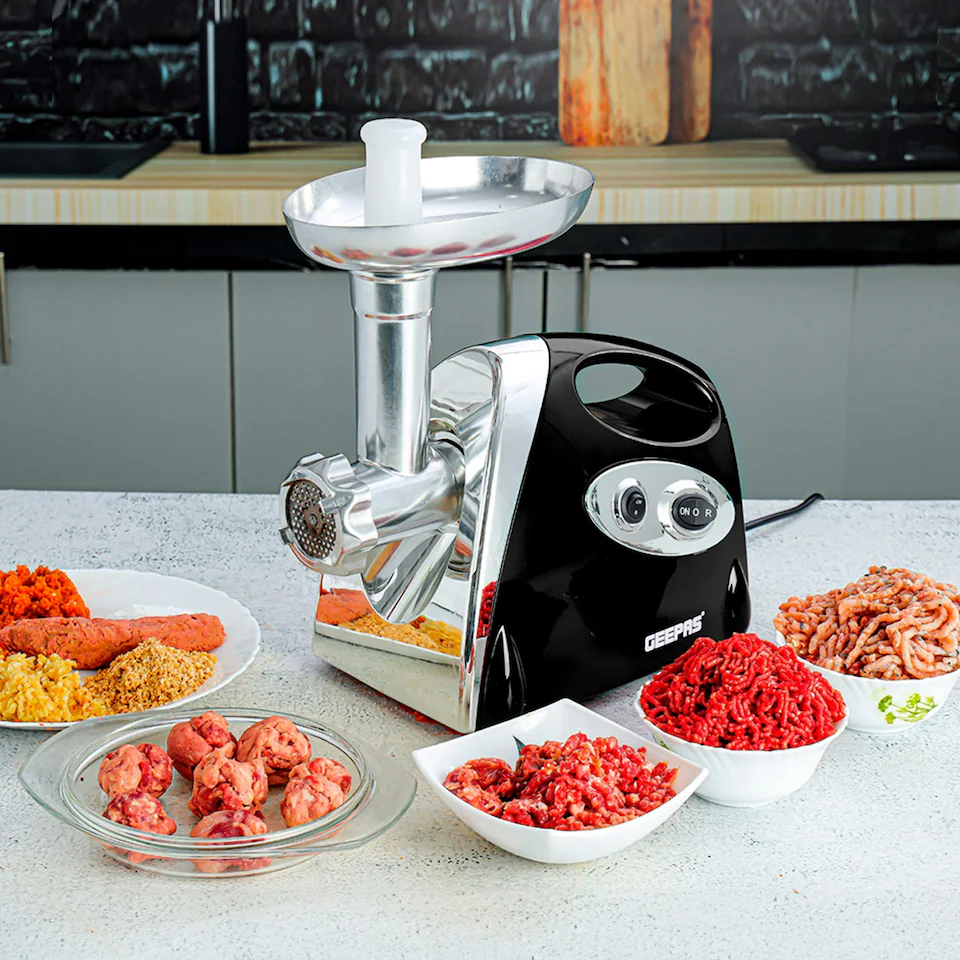
Why You Absolutely Need a Meat Grinder in Your Life
So, you can buy ground meat at the store. Why bother with another appliance? I used to think the same thing until I did my first grind for homemade sausage. The difference was night and day. If you’re on the fence, here’s why a meat grinder is worth its weight in gold:
- Unbeatable Flavor and Freshness: When meat is ground, it starts to oxidize, losing flavor and freshness. Grinding your own meat right before you cook it ensures the most vibrant, robust taste possible.
- Superior Texture: You control the coarseness. Want a chunky grind for chili? Done. A fine grind for delicate meatballs or emulsified sausages? You got it. No more mushy, compressed ground beef.
- Health and Food Safety: You know exactly what’s in your ground meat—no fillers, no preservatives, and no scraps from unknown sources. You choose the cut of meat, you control the fat content, and you manage the cleanliness of the process from start to finish.
- Cost-Effectiveness: Often, whole cuts of meat like chuck or pork shoulder are cheaper per pound than their pre-ground counterparts. Buying larger cuts on sale and grinding them yourself can save you a significant amount of money in the long run.
- Incredible Versatility: As we’ll see later, a what is a meat grinder is not just for meat!
|
Our Picks for the Best Meat Grinder in 2026
As an Amazon Associate, we earn from qualifying purchases.
|
||
| Num | Product | Action |
|---|---|---|
| 1 | LEM Products BigBite #8 Meat Grinder, 0.50 HP Stainless Steel Electric Meat Grinder Machine, Ideal for Regular Use |

|
| 2 | VEVOR Commercial Meat Grinder, 550LB/h 1100W Electric Meat Mincer, ETL Approved Heavy Duty Industrial Meat Mincer Machine |
|
| 3 | Commercial Meat Grinder #12,0.9HP Electric Meat Mincer,Heavy Duty Stainless Steel Industrial Meat Mincer w/2 Blades & Meat Pusher,Food Grinders Machine for Home Kitchen Regular Use |
|
| 4 | MEAT! 1.5 HP Meat Grinder with 3 Stuffing Tubes, 2 Stainless Steel Grinding Plates, and a Stainless Steel Stuffing Plate for Making Ground Meat |
|
| 5 | LEM Products BigBite #22 Meat Grinder, 1.0 HP Stainless Steel Electric Meat Grinder Machine, Ideal for Heavy Use |
|
| 6 | AAOBOSI Meat Grinder Electric 3000W Max with Touch Color Screen, Auto-Reverse & Built-in Storage - 3 Speed Settings,Grinding, Sausage & Kibbe Making for Home Use, Stainless Steel |
|
| 7 | Electric Meat Grinder, Sausage Stuffer with 3 Sausage Tubes, 2 Blades, 3 Plates, 3200W Max, Meat Grinder Heavy Duty for Home Kitchen Use, Stainless Steel (Black) |
|
| 8 | STX International Turboforce II 4000 Electric Meat Grinder | Grinds Soft Bones | Foot Pedal | 6 Grinding Plates | Stainless Steel Blades | Sausage Tubes | Kubbe Maker | Meat Claws | Patty Press & More |
|
| 9 | MEAT! 1.5 HP Meat Grinder with 3 Stuffing Tubes, 2 Stainless Steel Grinding Plates, and a Stainless Steel Stuffing Plate for Making Ground Meat |
|
| 10 | Weston Pro Series Electric Meat Grinder 7 Sausage Stuffer, Commercial Grade, 1500 Watts, 2 HP, 21lbs. Per Minute, Heavy Duty Stainless Steel (10-3201-W) |
|
Manual vs. Electric: The Great Grinder Showdown
The first big decision you’ll face is choosing between a manual, hand-cranked model and a modern electric one. Neither is “better”—it’s all about what’s right for you and your kitchen.
| Feature | Manual Meat Grinder | Electric Meat Grinder |
|---|---|---|
| Power Source | Your own arm strength! | Electricity (wall outlet) |
| Best For | Small batches, occasional use, sausage stuffing | Large batches, frequent use, tough cuts of meat |
| Capacity | Slower; grinds 1-2 lbs per minute | Faster; grinds 2-5+ lbs per minute |
| Cost | Generally more affordable ($20 – $60) | Wider price range ($60 – $300+) |
| Portability | Excellent; can be clamped anywhere | Limited by cord length and power access |
For beginners or those grinding less than 10 pounds of meat at a time, a sturdy manual grinder is a fantastic, budget-friendly starting point. If you envision making large batches of sausage, processing game meat, or simply value speed and convenience, investing in a quality electric grinder is the way to go.
How Do You Choose the Right Meat Grinder?
Choosing a meat grinder can feel overwhelming with all the options out there. The key is to ignore the hype and focus on the features that matter for your needs.
A concise answer to this question is: Choose the right meat grinder by matching its power, materials, and attachments to the volume and types of food you plan to process. Prioritize a strong motor for frequent use and durable, food-safe materials like stainless steel for longevity and hygiene.
Motor Power (Wattage)
For electric models, wattage is a key indicator of power. A grinder with 500-800 watts is great for general home use. If you plan on grinding tougher cuts, small bones for pet food, or large volumes frequently, look for a model with 1000 watts or more. A motor with a reverse function is also a lifesaver, as it can help clear jams without you having to disassemble the entire machine.
Materials and Durability
Look for grinders with metal gears and a stainless steel or heavy-duty cast aluminum body. Stainless steel is the gold standard for any parts that touch food—the hopper, auger, blades, and grinding plates—as it’s durable, non-reactive, and easy to sanitize. Avoid models with lots of plastic components in the core mechanism, as they are prone to cracking under pressure.
Expert Tip from Chef David Wilson: “Don’t get blinded by a dozen attachments you’ll never use. A powerful, reliable motor and high-quality stainless steel grinding components are the two most important factors. Get those right, and you’ll have a machine that lasts a lifetime.”
Attachments and Accessories
Most grinders come with a few standard attachments that drastically increase their value:
- Grinding Plates: At least two or three are standard: a coarse plate (for chili), a medium plate (for burgers), and a fine plate (for sausages and pâtés).
- Sausage Stuffer Tubes: A set of different-sized funnels that allow you to stuff your freshly ground meat into casings.
- Food Pusher (Stomper): An essential safety tool used to push meat down into the grinder. Never use your fingers!
Your First Grind: A Step-by-Step Guide to Using a Meat Grinder
Ready to go? Using a what is a meat grinder is surprisingly simple. Follow these steps for perfect results every time.
- Chill Everything: This is the most important rule of meat grinding. Your meat, fat, and all the metal parts of the grinder (the head, auger, blade, and plate) should be chilled in the freezer for at least 30-60 minutes before you start. Cold meat and fat grind cleanly instead of smearing, which results in a much better texture.
- Assemble Securely: Following the manufacturer’s instructions, assemble the grinder. Ensure the blade is sitting correctly against the grinding plate (flat side against the plate) and that the retaining ring is screwed on tightly.
- Prep the Meat: Cut your chilled meat and fat into 1-inch cubes that will easily fit down the grinder’s feed tube.
- Start Grinding: Turn the machine on (or start cranking) and begin feeding the meat cubes into the hopper, using only the food pusher to guide them down. Don’t force it; let the auger do the work. I remember my first time, I was impatient and tried to push too fast. The result was a semi-smeared mess. A steady, gentle pace is key.
- The Second Grind (Optional): For a finer, more uniform texture, especially for sausages, it’s common to pass the meat through the grinder a second time. Simply switch to a finer plate and run the ground meat through again.
How to Clean a Meat Grinder to Keep It in Top Shape
Proper cleaning is non-negotiable for food safety and the longevity of your machine.
The best way to clean a meat grinder is to first run a few pieces of bread through it to push out leftover meat particles. Then, disassemble it completely, hand wash all parts in hot, soapy water, use a brush for small crevices, rinse thoroughly, and dry every component completely before storing to prevent rust.
Here’s a quick checklist:
- [ ] After grinding, run a slice or two of bread through the machine. It helps push out the last bits of meat and fat.
- [ ] Disconnect the power source (if electric).
- [ ] Disassemble all the removable parts.
- [ ] Hand wash each component in warm, soapy water. Never put grinder parts in the dishwasher unless the manual explicitly says they are dishwasher-safe, as harsh detergents and high heat can damage the metal coatings.
- [ ] Use a small bottle brush to clean inside the grinding plates and other hard-to-reach areas.
- [ ] Rinse all parts thoroughly and dry them immediately and completely with a towel to prevent rust.
- [ ] For carbon steel blades and plates, it’s a good idea to wipe them with a light coating of food-grade mineral oil before storing.
Beyond the Burger: Creative Uses for Your Meat Grinder
Your grinder is far more versatile than its name suggests. Once you get comfortable with it, you can explore a whole new world of culinary projects:
- Homemade Pet Food: Grind meat, organs, and soft bones for a custom, nutritious diet for your pets.
- Veggie Burgers and Falafel: Grind chickpeas, vegetables, and binders for perfectly textured vegetarian patties.
- Breadcrumbs: Grind stale bread for fresh, homemade breadcrumbs.
- Hard Cheeses and Nuts: Grind hard cheeses like Parmesan or nuts for baking and toppings.
- Fruit and Vegetable Processing: Some grinders can be used to make relishes, jams, or even press juice with the right attachments.
Frequently Asked Questions (FAQ)
Q: What is the best meat-to-fat ratio for burgers?
A: For juicy, flavorful burgers, an 80/20 ratio (80% lean meat to 20% fat) is the gold standard. Using a cut like chuck roast naturally provides a similar ratio.
Q: Can I grind bones in my meat grinder?
A: It depends on the grinder. Most home-use models are not designed for hard bones. However, heavy-duty, commercial-grade grinders can often handle softer bones like chicken necks and wings, which is ideal for raw pet food. Always check your manufacturer’s specifications.
Q: What is the difference between a meat grinder and a food processor?
A: A meat grinder uses an auger to push meat through a grinding plate, creating uniform strands. A food processor uses a spinning blade to chop, which can easily overwork the meat, resulting in a pasty, mushy texture. For true ground meat, a grinder is far superior.
Q: Can you grind frozen meat?
A: You should not grind fully frozen meat, as it can damage the motor and blade. However, meat that is partially frozen or very firm and cold is ideal for grinding, as it holds its shape and prevents smearing.
Q: How often should I sharpen the grinder’s blade and plates?
A: With regular home use, you may only need to sharpen them every year or two. If you notice the grinder is struggling or the meat looks smeared rather than cut, it’s time for a sharpening. You can have it done professionally or purchase sharpening kits.
The Final Word
So, what is a meat grinder? It’s more than just an appliance; it’s a declaration of quality. It’s your ticket to taking complete control over one of the most fundamental ingredients in your kitchen. From crafting the juiciest burger of your life to experimenting with artisanal sausages and healthy pet food, a meat grinder empowers you to elevate your cooking with confidence. It’s a small investment that pays huge dividends in flavor, health, and culinary creativity. Are you ready to make the leap and discover how much better ground meat can be?