Ever wonder why that store-bought ground beef for your burgers or meatballs just… falls flat? It often lacks that rich, juicy flavor and perfect texture you get at a great restaurant. The secret isn’t some fancy, expensive cut of meat; it’s how it’s prepared. Welcome to the world of grinding your own meat, a game-changer for any home cook. This comprehensive Meat Grinder Buying Guide is your first step toward unlocking a new level of freshness, flavor, and control in your kitchen. We’re going to break down everything you need to know, from the nuts and bolts of how they work to choosing the perfect machine for your culinary adventures.
What’s a Meat Grinder Anyway? A Brief History
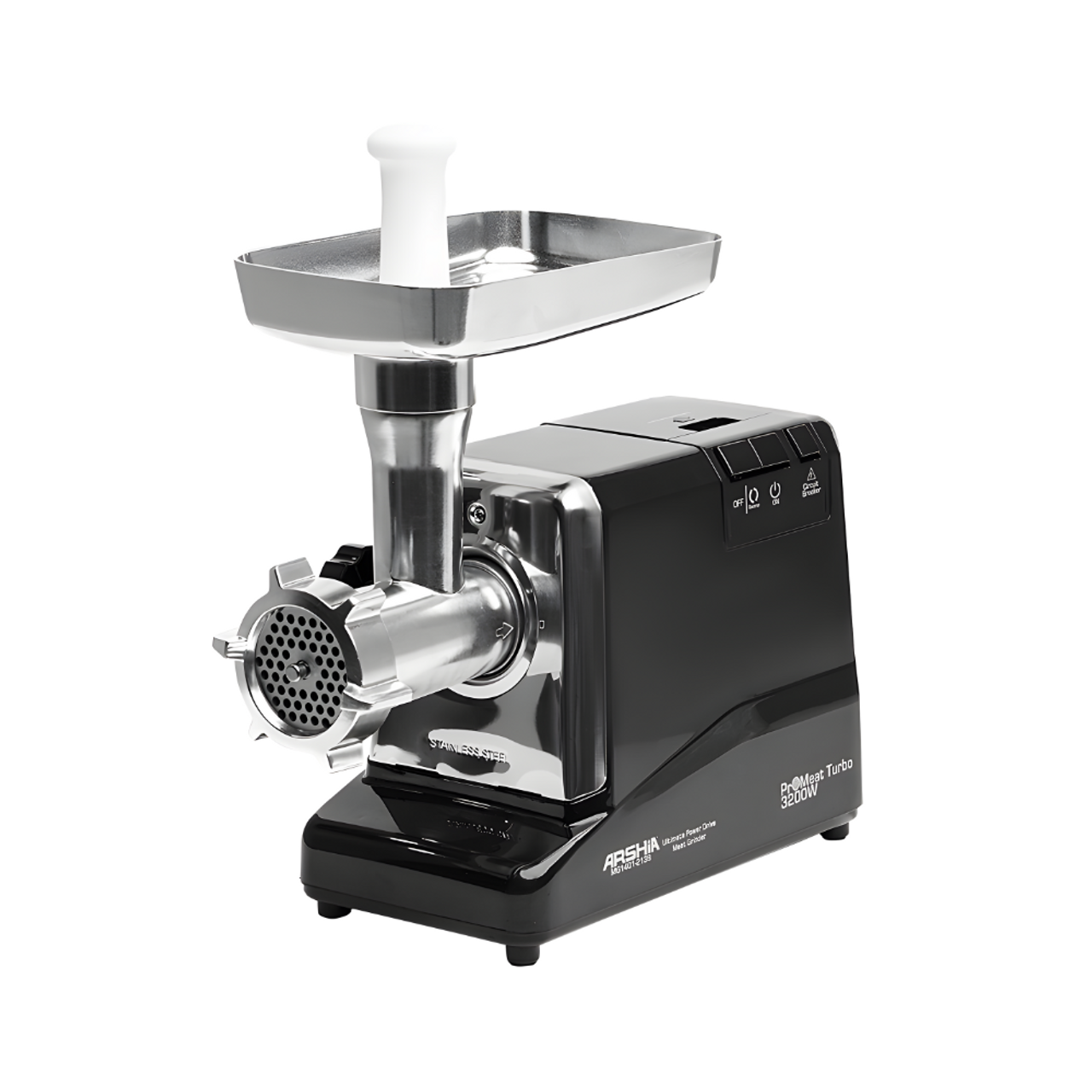
At its core, a meat grinder (or meat mincer in some parts of the world) is a kitchen appliance that transforms whole cuts of meat into ground meat. It works using a simple but effective mechanism: an auger (a corkscrew-like component) pushes the meat toward a spinning blade and a grinding plate (a metal disc with holes). The size of the holes in the plate determines the coarseness of the grind. While modern electric models are a far cry from the hand-cranked cast iron machines of the late 19th century, the fundamental principle has remained brilliantly unchanged.
Why Should You Own a Meat Grinder?
You might be thinking, “Is it really worth it?” Let me tell you, from my own experience, the first time I made burgers from freshly ground chuck roast, there was no going back. The difference is night and day. If you’re on the fence, here are the core benefits of grinding your own meat at home:
- Superior Flavor and Texture: Pre-ground meat is often compressed, overworked, and has been sitting in a package, losing its freshness. Grinding it yourself just moments before cooking results in a lighter, more tender, and incredibly flavorful product.
- Unbeatable Freshness and Safety: You control exactly what goes into your grind. You choose the cut, you see its condition, and you grind it in a clean environment. This significantly reduces the risk of contamination compared to mass-produced ground meat.
- Total Control Over Your Food: You decide the fat-to-lean ratio, the coarseness of the grind, and you can even create custom blends. Want a burger made from 70% brisket and 30% sirloin? Go for it. You’re the chef.
- It’s More Economical: Buying whole cuts of meat like chuck, brisket, or pork shoulder is often cheaper per pound than buying pre-ground options. Over time, your meat grinder can pay for itself.
- Incredible Versatility: A meat grinder isn’t just for meat! As we’ll see later, it’s a versatile tool for making sausages, grinding vegetables, making breadcrumbs, and more.
|
Our Picks for the Best Meat Grinder in 2026
As an Amazon Associate, we earn from qualifying purchases.
|
||
| Num | Product | Action |
|---|---|---|
| 1 | STX International Turboforce II 4000 Electric Meat Grinder | Grinds Soft Bones | Foot Pedal | 6 Grinding Plates | Stainless Steel Blades | Sausage Tubes | Kubbe Maker | Meat Claws | Patty Press & More |

|
| 2 | LEM Products BigBite #8 Meat Grinder, 0.50 HP Stainless Steel Electric Meat Grinder Machine, Ideal for Regular Use |
|
| 3 | MEAT! 1.5 HP Meat Grinder with 3 Stuffing Tubes, 2 Stainless Steel Grinding Plates, and a Stainless Steel Stuffing Plate for Making Ground Meat |
|
| 4 | AAOBOSI Meat Grinder Electric 3000W Max with Touch Color Screen, Auto-Reverse & Built-in Storage - 3 Speed Settings,Grinding, Sausage & Kibbe Making for Home Use, Stainless Steel |
|
| 5 | Weston Pro Series Electric Meat Grinder 7 Sausage Stuffer, Commercial Grade, 1500 Watts, 2 HP, 21lbs. Per Minute, Heavy Duty Stainless Steel (10-3201-W) |
|
| 6 | VEVOR Commercial Meat Grinder, 550LB/h 1100W Electric Meat Mincer, ETL Approved Heavy Duty Industrial Meat Mincer Machine |
|
| 7 | Commercial Meat Grinder #12,0.9HP Electric Meat Mincer,Heavy Duty Stainless Steel Industrial Meat Mincer w/2 Blades & Meat Pusher,Food Grinders Machine for Home Kitchen Regular Use |
|
| 8 | Electric Meat Grinder, Sausage Stuffer with 3 Sausage Tubes, 2 Blades, 3 Plates, 3200W Max, Meat Grinder Heavy Duty for Home Kitchen Use, Stainless Steel (Black) |
|
| 9 | MEAT! 1.5 HP Meat Grinder with 3 Stuffing Tubes, 2 Stainless Steel Grinding Plates, and a Stainless Steel Stuffing Plate for Making Ground Meat |
|
| 10 | LEM Products BigBite #22 Meat Grinder, 1.0 HP Stainless Steel Electric Meat Grinder Machine, Ideal for Heavy Use |
|
The Big Showdown: Manual vs. Electric Meat Grinders
The first major decision in any meat grinder buying guide is choosing between a manual, hand-cranked model and an electric one. They both get the job done, but they’re suited for very different needs and kitchens.
Manual Meat Grinders
These are the classic, old-school grinders. They typically clamp onto a countertop, and you power them with good old-fashioned elbow grease.
- Pros:
- Affordable: They are significantly cheaper than their electric counterparts.
- Simple & Durable: With fewer moving parts, there’s less that can break. Many are made from cast iron and can last a lifetime.
- Portable & No Power Needed: Perfect for off-grid living, camping, or small kitchens with limited outlets.
- Great for Small Batches: If you’re only grinding a pound or two of meat at a time, a manual grinder is perfectly adequate.
- Cons:
- Labor-Intensive: Grinding large quantities of meat, especially tough cuts, can be a serious workout.
- Slower: It takes much more time to process meat compared to an electric model.
- Less Stable: Clamp-on models can sometimes wobble if not secured properly on the right surface.
Electric Meat Grinders
These are the workhorses of the modern kitchen. Just plug it in, feed the meat through, and the motor does all the hard work for you.
- Pros:
- Fast and Efficient: They can process several pounds of meat in just a few minutes with minimal effort.
- Powerful: A good electric motor can handle tougher cuts of meat and even small, soft bones (if the model is designed for it).
- Consistent Results: The steady power of the motor provides a very even and consistent grind.
- More Features: Many come with multiple grinding plates, sausage-stuffing attachments, and even reverse functions to clear jams.
- Cons:
- More Expensive: They represent a larger initial investment.
- Bulkier and Heavier: They take up more counter and storage space.
- Noisy: The motor can be quite loud during operation.
| Feature | Manual Grinder | Electric Grinder |
|---|---|---|
| Power Source | Hand-crank (you!) | Electricity |
| Price | Low ($20 – $60) | Medium to High ($80 – $300+) |
| Speed | Slow | Fast |
| Best For | Small batches, occasional use | Large batches, frequent use |
| Effort | High physical effort | Low physical effort |
| Portability | Excellent | Limited |
Your Essential Meat Grinder Buying Guide: Key Features to Look For
Okay, you’ve decided between manual and electric. Now what? Let’s dig into the specs that really matter.
Motor Power and Wattage (For Electric Grinders)
This is arguably the most important factor. Power is measured in watts or horsepower (HP). Don’t get bogged down in the “peak power” numbers many brands advertise; look for the running wattage.
- 350-500 Watts: Good for basic, occasional grinding of softer meats like chicken or boneless beef chuck.
- 575-800 Watts: The sweet spot for most home users. This is powerful enough to handle larger quantities and tougher cuts without straining the motor.
- 1000+ Watts (or 1+ HP): This is pro-level territory. These grinders are for serious enthusiasts, hunters, or anyone processing very large volumes of meat, including sinew and soft bones.
Size and Capacity (Grinder Head Size)
You’ll see grinders labeled with a number, like #5, #8, #12, etc. This number refers to the diameter of the grinding plates and the output head. A larger number means a larger grinder that can process more meat, faster.
- #5 or #8: Perfect for most home kitchens. They handle a few pounds of meat at a time with ease and are more compact.
- #12 or #22: Better for those who grind large batches (10+ pounds at a time), like hunters or large families.
Materials and Durability
Look for grinders with metal gears and durable housing.
- Grinding Components (Auger, Blade, Plates): Stainless steel is the gold standard. It’s durable, rust-resistant, and easy to sanitize. Avoid grinders with plastic internal parts.
- Housing: A stainless steel body is a sign of a high-quality, long-lasting machine. Heavy-duty plastic is common on budget models and is fine, but it won’t be as durable.
Included Grinding Plates and Attachments
A good grinder should come with at least two or three grinding plates:
- Fine Plate (3mm): For smooth textures, like patés, emulsions for hot dogs, or some sausages.
- Medium Plate (4.5mm – 6mm): The all-purpose plate, perfect for burgers and meatballs.
- Coarse Plate (8mm+): Ideal for chili meat, sausages, or the first grind on tough cuts.
Many grinders also include sausage stuffer tubes and a kubbe/kibbeh attachment, adding to their versatility.
How to Use a Meat Grinder Safely and Effectively: A Step-by-Step Guide
Using a meat grinder is easy, but a few pro tips can elevate your results from good to great.
- Chill Everything: This is the most important rule. Put your grinder’s metal parts (head, auger, blade, plate) and your cubed meat in the freezer for 30-45 minutes before grinding. Cold meat and equipment prevent the fat from smearing, which leads to a mushy texture. You want distinct particles of fat and meat.
- Assemble Securely: Make sure the blade is inserted correctly (the flat side should face out, against the grinding plate) and the retaining ring is screwed on tightly, but not so tight you can’t undo it.
- Cut Your Meat: Cut your meat into 1-inch cubes or strips that will easily fit down the grinder’s feed tube.
- First Grind: Place a bowl under the grinder, turn it on (or start cranking!), and begin feeding the meat into the hopper. Use the food pusher to gently guide the meat down—never use your fingers. For the best burger texture, use a coarse plate for the first grind.
- The Double Grind (Optional): For a finer, more uniform texture, you can chill the meat again and run it through the grinder a second time, often with a medium plate.
Expert Tip from Chef David Wilson: “The biggest mistake beginners make is not getting their meat and equipment cold enough. It should be firm to the touch, almost crunchy. This single step is the difference between a perfectly juicy burger and a dense, dry puck.”
How Do You Clean a Meat Grinder Safely?
Proper cleaning is essential for food safety and the longevity of your machine. A clean grinder prevents bacteria growth and ensures your next batch of ground meat tastes fresh.
You should clean your meat grinder immediately after every use. Disconnect the power source, then disassemble all the removable parts. Wash them thoroughly in hot, soapy water, using a bottle brush to clean inside the head and tubes. Rinse well and dry every single piece completely to prevent rust.
Beyond the Burger: Creative Uses for Your Meat Grinder
Don’t let the name fool you. A meat grinder is a surprisingly versatile kitchen tool.
- Homemade Sausages: The most popular alternative use. Mix your ground meat with spices, and use the stuffer attachment to fill casings.
- Grinding Vegetables: Make relish, or grind firm vegetables like onions, peppers, and celery to create a fine base for sauces or soups.
- Making Falafel: Grind soaked chickpeas and herbs for the perfect falafel texture.
- Homemade Pet Food: Control exactly what your furry friends are eating by grinding meat and vegetables for them.
- Grinding Hard Cheeses & Breadcrumbs: Quickly process stale bread for breadcrumbs or a block of parmesan.
Frequently Asked Questions (FAQ)
Q: Can I grind bones in my meat grinder?
A: Only if you have a powerful, commercial-grade grinder specifically designed for it (typically 1 HP or more). Attempting to grind hard bones in a standard home-use grinder will destroy the motor and auger. Some powerful models can handle soft chicken bones.
Q: Why is my ground meat coming out mushy?
A: This is almost always because your meat and/or the grinder parts were not cold enough. The fat smeared instead of being cut cleanly. Chill everything in the freezer for at least 30 minutes and try again.
Q: Can I put meat grinder parts in the dishwasher?
A: Generally, no. Many parts are made of aluminum or coated cast iron which will oxidize and tarnish in the dishwasher. Always hand wash unless the manufacturer’s instructions explicitly state they are dishwasher-safe. Stainless steel parts are usually okay.
Q: What are the best cuts of beef for burgers?
A: A blend with an 80/20 lean-to-fat ratio is ideal. Great cuts include chuck roast, brisket, and sirloin. Combining them often yields the best results.
Q: My grinder is clogged. What should I do?
A: Most modern electric grinders have a reverse function. Run it in reverse for a few seconds to dislodge the clog. If that doesn’t work, unplug the machine, disassemble the head, and clear the blockage manually. Clogs are often caused by sinew or silver skin, so try to trim most of it off before grinding.
Your Journey to Better Grinding Starts Now
Choosing the right appliance can feel overwhelming, but this meat grinder buying guide should arm you with the confidence to pick the perfect machine for your kitchen. Investing in a quality meat grinder is an investment in flavor, freshness, and culinary creativity. It empowers you to take control of a fundamental ingredient, transforming simple meals into something truly special. So, are you ready to stop buying and start grinding? Your taste buds will thank you.