There’s nothing quite like the taste and texture of freshly ground meat. Whether you’re crafting the ultimate burger patty, spicy sausage, or a rich bolognese, taking control of the grind is a game-changer. But we’ve all been there: you’ve got a beautiful cut of beef, you feed it into your grinder with high hopes, and what comes out is… a paste. If you’re asking yourself, Why Is My Meat Coming Out Mushy, you’re not alone. It’s one of the most common frustrations, but thankfully, it’s completely fixable.
This guide will walk you through the common culprits behind that dreaded mushy texture and give you the pro tips to achieve a perfect, fluffy, and flavorful grind every single time. Let’s turn that paste back into perfection.
The 5 Key Reasons Your Meat is Coming Out Mushy
Let’s get straight to the heart of the matter. When your meat turns to mush, it’s not a sign of a bad grinder—it’s usually a problem with your process. The science is simple: you want to cut the meat, not smear it. Smearing happens when the fat melts and combines with the meat proteins, creating a sticky, dense paste. Here are the top five reasons this happens.
1. The Temperature is Too High
This is, without a doubt, the number one reason for mushy meat. Both your meat and your grinder components need to be cold. I mean, really cold. Warm meat and fat are soft, which causes them to smear against the blade and plate instead of being cleanly sheared.
- The Meat: Cut your meat into one-inch cubes and spread them on a baking sheet. Place them in the freezer for about 15-20 minutes before grinding. You want them to be firm to the touch and even slightly crunchy on the edges, but not frozen solid.
- The Grinder: Your grinder parts (the auger, blade, and plate) heat up from friction during use. To combat this, place all the metal components in the freezer for at least 30 minutes alongside your meat. A cold machine keeps the fat solid.
2. Your Blade and Plate are Dull
Think of your meat grinder’s blade and plate like a pair of scissors. When they’re sharp, they make clean, precise cuts. When they’re dull, they crush and tear. A dull blade will mash the meat against the plate, smearing the fat and destroying the texture.
“A sharp blade is the most overlooked component for a perfect grind. I tell every home cook the same thing: treat your grinder blade with the same respect you treat your best chef’s knife. If it can’t cleanly slice a piece of paper, it’s too dull to grind your meat.”
— Chef David Wilson, Culinary Equipment Consultant
If you use your grinder often, consider having a backup blade and plate, and learn how to sharpen them or where to get them professionally sharpened. It makes a world of difference.
3. You’re Using the Wrong Cut or Fat Ratio
The type of meat and its fat content play a huge role. Using completely lean meat can sometimes result in a dry, dense texture. Conversely, using meat with too much soft, sinewy connective tissue can lead to clogging and smearing.
For beef burgers, a chuck roast is a fantastic choice because it has a great fat-to-muscle ratio, typically around 80/20. This fat is crucial for flavor and texture, but it needs to be cold and firm to be cut properly. If you add extra fat, make sure it’s also well-chilled.
4. You’re Overworking the Meat
Grinding meat more than necessary can also lead to a mushy texture. This often happens in one of two ways:
- Double Grinding Incorrectly: A second grind can create a finer texture, which is great for sausages. However, if the meat has warmed up after the first grind, the second pass will almost certainly result in mush. If you plan to double grind, you must chill the meat again between grinds.
- Over-mixing After Grinding: If you’re making sausage or meatballs, don’t mix the ground meat with your seasonings for too long. Over-mixing, especially with salt, can break down the proteins and create a bouncy, rubbery, or paste-like texture.
5. Your Technique Needs a Tweak
How you use the machine matters. Forcing meat into the grinder too quickly puts too much stress on the motor and blade. It doesn’t give the blade and plate time to do their job properly.
- Cut meat into uniform strips or cubes that easily fit down the grinder’s throat.
- Use the food pusher (stomper) to gently guide the meat down. Never use your fingers.
- Let the machine do the work. You should feel a steady, consistent rhythm as the auger pulls the meat in. If the motor is straining, you’re either feeding it too fast or your meat cubes are too large.
Your Step-by-Step Guide to the Perfect Grind
Now that you know why is my meat coming out mushy, let’s put it all together. Follow these steps for a flawless grind.
- Preparation is Everything: Cut your chosen meat and fat into uniform, 1-inch cubes. Remove any large pieces of silver skin or heavy gristle that could clog the grinder.
- Chill Out: Place the cubed meat on a parchment-lined baking sheet and put it in the freezer for 15-20 minutes. At the same time, place your grinder head, auger, blade, plate, and retaining ring in the freezer. Don’t forget the bowl you’ll be grinding into!
- Assemble Correctly: Assemble the cold grinder parts. Make sure the blade is seated correctly, with the flat side facing out against the grinding plate. This is a common mistake!
- The First Grind: Turn on the grinder and begin feeding the firm, cold meat cubes into the hopper. Use the pusher to gently guide them, maintaining a steady pace. Don’t force it. You should see beautiful, distinct strands of meat and fat falling into your cold bowl.
- Evaluate and (Maybe) Re-Chill: For most applications like burgers or chili, a single grind is perfect. If you need a finer texture for certain sausages, now is the time to decide on a second grind. If you do, put the meat back in the freezer for another 10-15 minutes before passing it through again.
Does My Grinder’s Quality Affect the Grind?
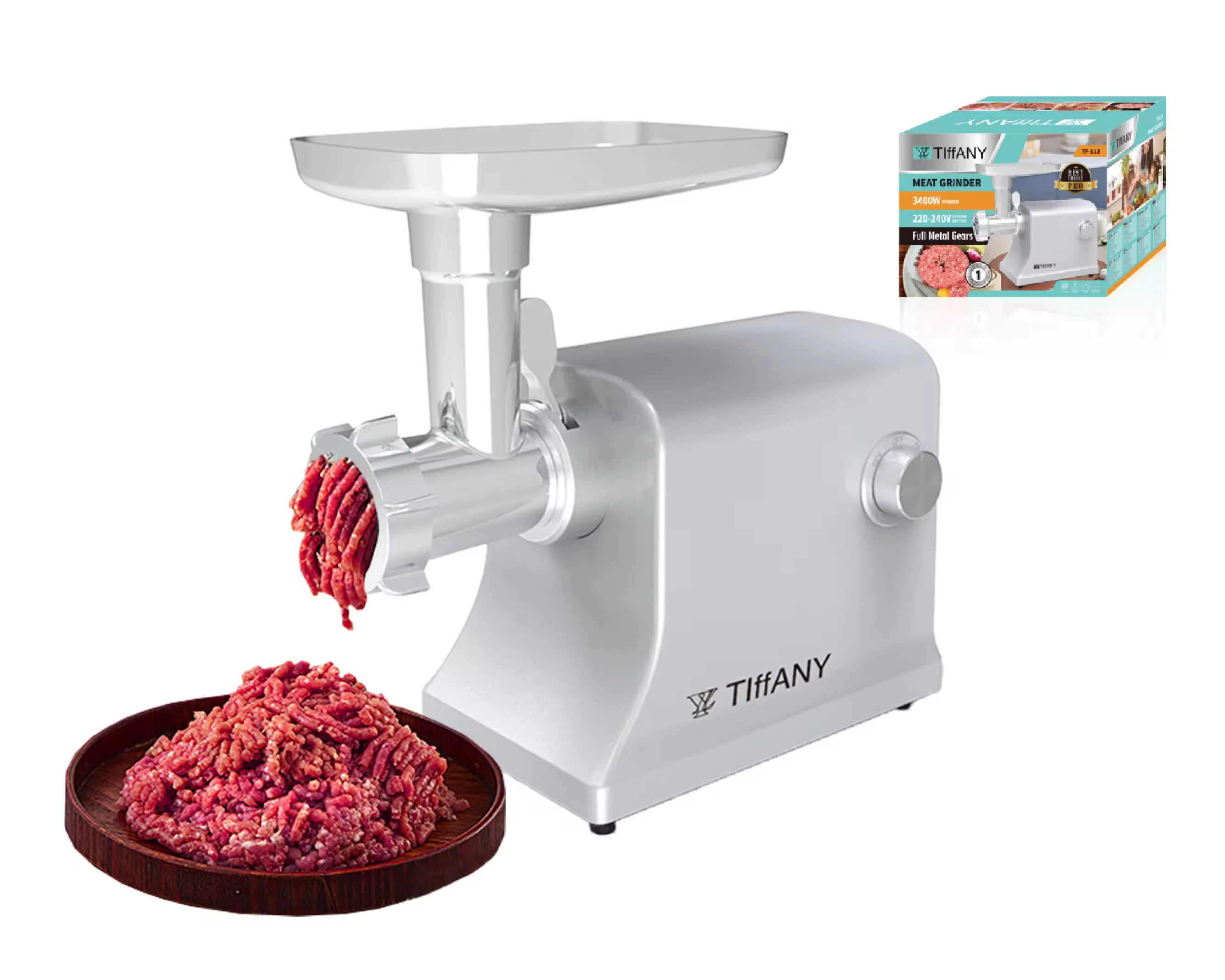
Absolutely. While technique is paramount, the tool itself plays a role. A low-quality grinder with a weak motor or poorly made components is more likely to heat up quickly and struggle with denser cuts of meat, increasing the odds of smearing. Investing in a quality machine can make achieving a great texture much easier. If you’re serious about your grind, explore some of the best meat grinders for home use that offer robust motors and durable, all-metal construction.
| Feature | Inexpensive/Plastic Grinder | Quality/Metal Grinder | Impact on Texture |
|---|---|---|---|
| Motor Power | Lower wattage, prone to straining | Higher wattage, steady power | A stronger motor prevents slowdowns that can mash the meat. |
| Gear Material | Often plastic | Typically metal | Metal gears are more durable and transfer power efficiently. Plastic gears can strip or fail, causing inconsistent grinding. |
| Head/Auger | Sometimes plastic or light alloy | Usually stainless steel or heavy-duty cast aluminum | Metal parts retain cold much better, which is critical for preventing fat from melting. |
| Blades/Plates | Lower-grade steel, dulls quickly | High-carbon or stainless steel | Sharp, quality blades are essential for a clean cut. |
Keeping Your Grind Perfect: Cleaning and Maintenance
A clean machine is an efficient machine. Leftover fat and meat particles can clog the plate holes and increase friction, which generates heat. Always clean your grinder thoroughly after each use. For a step-by-step tutorial, check out our guide on how to clean a meat grinder. Proper maintenance, including regular blade sharpening, is your best insurance against future mushy grinds.
Frequently Asked Questions (FAQ)
Q: Can I rescue meat that has already come out mushy?
A: It’s difficult to restore the original texture, but you can still use it. Mushy ground meat is best suited for dishes where a fine texture is acceptable, such as a pâté, a meatloaf binder, or a very smooth sauce like a ragu. Avoid using it for burgers, where texture is key.
Q: How cold should my meat and grinder parts be?
A: The ideal temperature for the meat is around 32-34°F (0-1°C). It should be very firm but not frozen solid. Your grinder parts should be as cold as your freezer can get them.
Q: My meat grinder keeps getting clogged. Is this related to mushy meat?
A: Yes, they are often related. Clogging is usually caused by sinew or silver skin wrapping around the blade, or by fat that has smeared and plugged the plate holes. Both issues are made worse by warm temperatures and dull blades.
Q: What is the best meat-to-fat ratio for burgers?
A: The classic and widely-loved ratio is 80% lean meat to 20% fat. This provides the perfect balance of flavor, moisture, and texture. Grinding your own allows you to control this ratio perfectly.
Q: How often do I need to sharpen my meat grinder blade?
A: It depends on usage. For a home user grinding meat once or twice a month, sharpening it once a year should be sufficient. If you notice a decline in performance or see more smearing, it’s time to sharpen it.
The Takeaway: Say Goodbye to Mushy Meat
The frustration of seeing your beautiful meat turn into a paste can be a thing of the past. By focusing on three key principles—temperature, sharp blades, and proper technique—you can solve the problem of why is my meat coming out mushy for good. The control, flavor, and texture you get from grinding your own meat are transformative. Now that you have the knowledge, it’s time to chill your equipment, grab your favorite cut of meat, and experience the joy of the perfect grind.