Ever looked at your pet’s bowl of store-bought food and wondered what’s really in it? Or maybe you’re a home-cooking enthusiast dedicated to using every part of the animal. This brings up a common and crucial question for many: Can You Grind Chicken Bones right in your own kitchen? The short answer is a resounding yes, but the full story involves having the right tool, the right technique, and the right knowledge. Let’s dive deep into the world of bone grinding and turn you into a confident pro.
The Big Question: Can You Really Grind Chicken Bones?
Yes, you absolutely can grind chicken bones, but with a few very important caveats. You can’t just toss any old bone into any old grinder and expect good results. Success hinges on two key factors: the type of bone and the power of your grinder.
For safety and success, you should only ever grind raw chicken bones. Cooked bones become brittle and can splinter into sharp, dangerous shards, which can damage your grinder and pose a serious health risk to pets if ingested. Stick to softer, non-weight-bearing bones like necks, wings, backs, and carcasses. The tougher leg bones (thighs and drumsticks) can be a challenge even for powerful grinders, so it’s best to start with the softer parts.
Why Grind Chicken Bones? The Health Benefits Unleashed
So, why would you even want to go through the trouble? The benefits, especially for pet owners practicing a raw food diet (like BARF – Biologically Appropriate Raw Food), are immense.
- A Powerhouse of Nutrients: Ground chicken bones are a fantastic natural source of calcium and phosphorus, which are vital for strong bones and teeth in cats and dogs.
- Improved Dental Health: The small, ground bone fragments act as a gentle abrasive, helping to clean teeth and reduce tartar buildup.
- Complete Nutrition: Including bone in your pet’s homemade food provides a more complete and natural nutritional profile, mimicking what they would eat in the wild.
- Waste Reduction: For the nose-to-tail cooking enthusiast, grinding the carcass for pet food or a rich bone meal for your garden is the ultimate way to reduce food waste.
|
Our Picks for the Best Meat Grinder in 2026
As an Amazon Associate, we earn from qualifying purchases.
|
||
| Num | Product | Action |
|---|---|---|
| 1 | AAOBOSI Meat Grinder Electric 3000W Max with Touch Color Screen, Auto-Reverse & Built-in Storage - 3 Speed Settings,Grinding, Sausage & Kibbe Making for Home Use, Stainless Steel |

|
| 2 | LEM Products BigBite #22 Meat Grinder, 1.0 HP Stainless Steel Electric Meat Grinder Machine, Ideal for Heavy Use |
|
| 3 | LEM Products BigBite #8 Meat Grinder, 0.50 HP Stainless Steel Electric Meat Grinder Machine, Ideal for Regular Use |
|
| 4 | VEVOR Commercial Meat Grinder, 550LB/h 1100W Electric Meat Mincer, ETL Approved Heavy Duty Industrial Meat Mincer Machine |
|
| 5 | MEAT! 1.5 HP Meat Grinder with 3 Stuffing Tubes, 2 Stainless Steel Grinding Plates, and a Stainless Steel Stuffing Plate for Making Ground Meat |
|
| 6 | Weston Pro Series Electric Meat Grinder 7 Sausage Stuffer, Commercial Grade, 1500 Watts, 2 HP, 21lbs. Per Minute, Heavy Duty Stainless Steel (10-3201-W) |
|
| 7 | STX International Turboforce II 4000 Electric Meat Grinder | Grinds Soft Bones | Foot Pedal | 6 Grinding Plates | Stainless Steel Blades | Sausage Tubes | Kubbe Maker | Meat Claws | Patty Press & More |
|
| 8 | MEAT! 1.5 HP Meat Grinder with 3 Stuffing Tubes, 2 Stainless Steel Grinding Plates, and a Stainless Steel Stuffing Plate for Making Ground Meat |
|
| 9 | Electric Meat Grinder, Sausage Stuffer with 3 Sausage Tubes, 2 Blades, 3 Plates, 3200W Max, Meat Grinder Heavy Duty for Home Kitchen Use, Stainless Steel (Black) |
|
| 10 | Commercial Meat Grinder #12,0.9HP Electric Meat Mincer,Heavy Duty Stainless Steel Industrial Meat Mincer w/2 Blades & Meat Pusher,Food Grinders Machine for Home Kitchen Regular Use |
|
Choosing Your Weapon: The Best Grinder for Chicken Bones
This is where the rubber meets the road. Your success in grinding bones is almost entirely dependent on your equipment. Not all meat grinders are created equal, and attempting to grind bone with an underpowered machine is a recipe for a broken appliance.
Electric vs. Manual Grinders: A Clear Winner
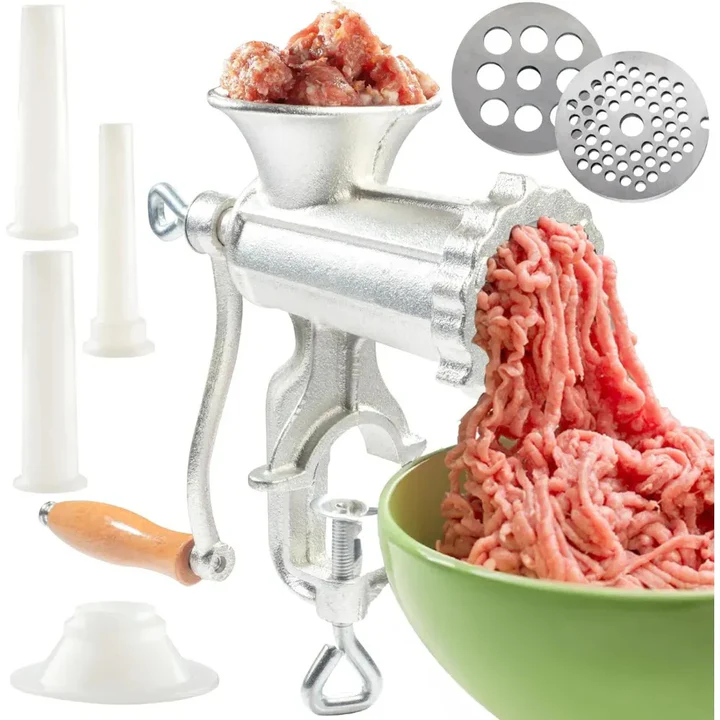
While a heavy-duty manual grinder might handle a few very soft wing tips, it’s a serious workout and not practical for regular use. For grinding bones, an electric meat grinder is non-negotiable. You need consistent power and torque to crush and process the bone safely and efficiently.
What to Look For in a Bone-Grinding Machine
When shopping for a meat grinder capable of handling chicken bones, keep these features at the top of your list:
- Power (Wattage): This is your number one priority. Look for a grinder with a powerful motor, ideally 500 watts or higher. A peak power of 1200 watts or more is even better. This ensures the motor won’t burn out under the strain.
- All-Metal Gears and Construction: Plastic gears will strip and break almost instantly when they encounter bone. Insist on a grinder with all-metal gears and a metal auger. A stainless steel body is also a huge plus for durability and sanitation.
- Size Matters (#8 or Larger): Meat grinders are sized by the diameter of the output and grinding plates. A #5 grinder is too small for bones. You need a #8 size grinder at a minimum, with #12 or larger being ideal. The larger opening and components can handle the chicken parts without getting clogged.
- Circuit Breaker or Reverse Function: A built-in circuit breaker will automatically shut the machine off if it gets overloaded, protecting the motor. A reverse function is also incredibly handy for clearing any jams without having to disassemble the entire unit.
Expert Tip: According to home appliance expert Sarah Jenkins, “The most important thing is to listen to your machine. If it’s straining, whining, or slowing down dramatically, stop immediately. Pushing an underpowered grinder is the fastest way to break it. A quality, bone-capable grinder will have a steady, powerful hum.”
How to Safely Grind Chicken Bones: A Step-by-Step Guide
Alright, you’ve got your powerful grinder and your raw chicken parts. It’s time to get to work. I remember the first time I did this; I was a bit nervous, but following a clear process makes it simple and safe.
- Prepare the Bones: Cut the chicken parts (necks, backs, wings) into strips or chunks that will easily fit down the grinder’s feeding tube. Don’t try to shove a whole chicken back in there.
- Chill Everything: This is a pro tip that makes a world of difference. Place your chicken parts and your metal grinder components (the head, auger, plate, and blade) in the freezer for about 30-45 minutes. Chilling the meat and bones helps them grind cleanly instead of smearing, and it keeps the metal parts cool, which is easier on the motor.
- Assemble Securely: Assemble your meat grinder according to the manufacturer’s instructions. Make sure everything is locked in tightly. Start with a coarse grinding plate first; you can always run it through a second time with a finer plate if needed.
- Grind in Batches: Turn the grinder on and begin feeding the chicken pieces into the hopper. Use the food pusher to guide them down—never use your fingers! Alternate between meatier pieces and bonier pieces to help everything move through smoothly.
- Listen to Your Motor: Pay attention to the sound of the grinder. If it starts to labor, use the reverse function for a second to clear the auger, then proceed. Don’t force it.
- Clean Up Immediately: This is crucial for food safety. Disassemble your grinder as soon as you’re finished. Wash all components thoroughly with hot, soapy water. Many high-quality grinders have dishwasher-safe parts, but always check your manual first. Dry everything completely to prevent rust.
Safety First: Critical Dos and Don’ts
When you’re dealing with raw meat and powerful machinery, safety is paramount.
The Do’s
- Do use only raw, pliable chicken bones.
- Do use a powerful, appropriately sized electric meat grinder.
- Do chill your meat and grinder parts before starting.
- Do cut bones into manageable pieces.
- Do clean your grinder meticulously after every use.
The Don’ts
- Don’t ever grind cooked bones of any kind.
- Don’t attempt to grind heavy, weight-bearing bones like beef or pork leg bones.
- Don’t use your hands or any utensil other than the supplied pusher to feed the grinder.
- Don’t use an underpowered grinder or food processor; you will break it.
Frequently Asked Questions (FAQ)
Q: What types of chicken bones can I grind?
A: You can safely grind softer, non-weight-bearing raw chicken bones. This includes chicken necks, wings, backs, and ribs/carcasses. Avoid the harder leg bones unless you have a very powerful, commercial-grade grinder.
Q: Can I use a food processor to grind chicken bones?
A: No. A food processor is not designed for this task. The blades are meant for chopping, not grinding, and the motor lacks the torque needed for bone. You will likely break your food processor and get poor, unsafe results.
Q: How fine should I grind the bones for my dog or cat?
A: It’s best to start with a coarse grind first. For cats and small dogs, you may want to pass the mixture through the grinder a second time using a finer plate to ensure there are no large, sharp pieces.
Q: Do I need a special meat grinder for bones?
A: Yes, in a sense. You need a high-quality, powerful electric meat grinder with all-metal gears and a motor of at least 500W. Standard, entry-level grinders are typically not built to handle the stress of grinding bone.
Q: Can I grind other types of bones in my meat grinder?
A: It depends on your grinder’s power. A machine that can handle chicken bones can often handle other soft poultry bones (like turkey necks) and some small, soft bones from rabbits or fish. Never attempt to grind hard, dense bones from beef, lamb, or pork.
Your Grinding Journey Starts Now
So, can you grind chicken bones? With the right knowledge and a capable meat grinder, the answer is a confident yes. It’s a fantastic way to provide superior nutrition for your pets, reduce kitchen waste, and take full control over your food. By investing in a quality machine and following safe practices, you can unlock a new level of culinary and pet-care potential right in your own home. Ready to take the plunge?