There’s something incredibly satisfying about the rhythmic turn of a crank, the sight of fresh meat transforming into the perfect grind for your burgers or sausages. It’s a hands-on, authentic kitchen experience. But after the culinary magic happens, the less glamorous part of the job awaits. Learning How To Clean A Manual Meat Grinder properly isn’t just a chore; it’s the secret to delicious, safe food and a tool that will last you a lifetime. Are you ready to master this simple but crucial skill and say goodbye to frustrating cleanup forever?
Why Proper Cleaning is Non-Negotiable
Let’s be honest, after making a batch of amazing homemade burgers, the last thing you want to do is tackle a greasy, gunked-up machine. It’s tempting to just give it a quick rinse and call it a day. But trust me on this, taking a few extra minutes to do it right is one of the most important things you can do in your kitchen.
Here’s why you can’t afford to cut corners:
- Food Safety First: Raw meat is a breeding ground for bacteria like E. coli and Salmonella. Tiny particles left behind can contaminate your next batch, posing a serious health risk. A thoroughly cleaned and sanitized grinder means peace of mind.
- Preventing Rust: Most high-quality manual meat grinders are made of cast iron or tinned cast iron. While incredibly durable, they are mortal enemies with moisture. Leaving one wet is a one-way ticket to a rusty, unusable mess.
- Maintaining Performance: Old fat and meat residue can harden inside the grinder, making it difficult to turn the crank and affecting the quality of your grind. A clean machine is a smooth-running machine.
- Protecting Your Investment: A good manual meat grinder is a buy-it-for-life kind of tool. With proper care, you can pass it down through generations. Neglect it, and you’ll be buying a new one sooner than you think.
Getting Your Gear Ready: What You’ll Need
Before you dive in, let’s get your battle station set up. Having everything on hand makes the process quick and painless. You won’t need anything fancy, just a few kitchen staples.
- A few slices of stale bread (This is our secret weapon!)
- A bottle brush or a dedicated grinder cleaning brush set
- Hot, soapy water (Dish soap is perfect)
- A large bowl or basin
- Clean, dry cloths or paper towels
- Food-grade mineral oil or vegetable shortening
- Optional: White vinegar or a food-safe sanitizer for an extra deep clean
|
Our Picks for the Best Meat Grinder in 2026
As an Amazon Associate, we earn from qualifying purchases.
|
||
| Num | Product | Action |
|---|---|---|
| 1 | AAOBOSI Meat Grinder Electric 3000W Max with Touch Color Screen, Auto-Reverse & Built-in Storage - 3 Speed Settings,Grinding, Sausage & Kibbe Making for Home Use, Stainless Steel |

|
| 2 | Weston Pro Series Electric Meat Grinder 7 Sausage Stuffer, Commercial Grade, 1500 Watts, 2 HP, 21lbs. Per Minute, Heavy Duty Stainless Steel (10-3201-W) |
|
| 3 | MEAT! 1.5 HP Meat Grinder with 3 Stuffing Tubes, 2 Stainless Steel Grinding Plates, and a Stainless Steel Stuffing Plate for Making Ground Meat |
|
| 4 | LEM Products BigBite #22 Meat Grinder, 1.0 HP Stainless Steel Electric Meat Grinder Machine, Ideal for Heavy Use |
|
| 5 | LEM Products BigBite #8 Meat Grinder, 0.50 HP Stainless Steel Electric Meat Grinder Machine, Ideal for Regular Use |
|
| 6 | Commercial Meat Grinder #12,0.9HP Electric Meat Mincer,Heavy Duty Stainless Steel Industrial Meat Mincer w/2 Blades & Meat Pusher,Food Grinders Machine for Home Kitchen Regular Use |
|
| 7 | MEAT! 1.5 HP Meat Grinder with 3 Stuffing Tubes, 2 Stainless Steel Grinding Plates, and a Stainless Steel Stuffing Plate for Making Ground Meat |
|
| 8 | VEVOR Commercial Meat Grinder, 550LB/h 1100W Electric Meat Mincer, ETL Approved Heavy Duty Industrial Meat Mincer Machine |
|
| 9 | STX International Turboforce II 4000 Electric Meat Grinder | Grinds Soft Bones | Foot Pedal | 6 Grinding Plates | Stainless Steel Blades | Sausage Tubes | Kubbe Maker | Meat Claws | Patty Press & More |
|
| 10 | Electric Meat Grinder, Sausage Stuffer with 3 Sausage Tubes, 2 Blades, 3 Plates, 3200W Max, Meat Grinder Heavy Duty for Home Kitchen Use, Stainless Steel (Black) |
|
How to Clean a Manual Meat Grinder: The Step-by-Step Breakdown
Ready to make your grinder sparkle? Follow these steps, and you’ll have it disassembled, cleaned, and reassembled in no time. It’s easier than you think.
Step 1: The Bread Trick
This is a classic tip from old-school butchers, and it works wonders. Before you even think about disassembling, run a couple of slices of bread through the grinder. The bread acts like a sponge, pushing out the last stubborn bits of meat and fat from the auger and plates. It makes the rest of the cleaning process so much easier.
Step 2: Disassemble Completely
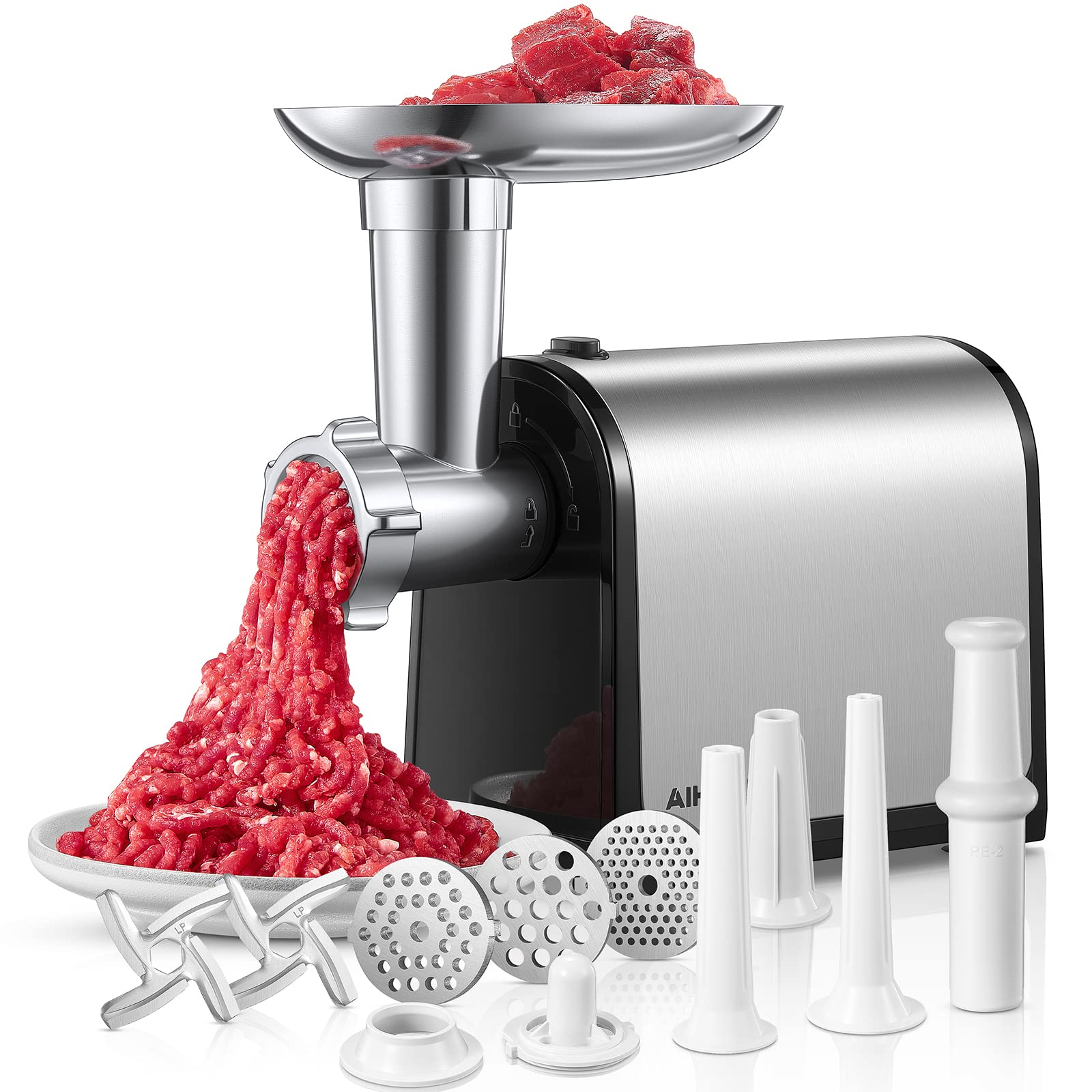
Don’t try to clean the grinder while it’s still assembled. You’ll never get it truly clean. Carefully take it apart, piece by piece. Lay everything out on a towel so you don’t lose any small parts. You should have:
- The main body/hopper
- The crank handle
- The auger (the big screw-like part)
- The blade (it’s sharp, be careful!)
- The grinding plate (the disc with the holes)
- The retaining ring that holds it all together
Step 3: Hot Water Wash
Fill your basin or sink with hot, soapy water. Submerge all the disassembled parts and let them soak for a few minutes to loosen any remaining residue. Then, use your bottle brush to scrub every nook and cranny. Pay special attention to the holes in the grinding plate and the spiral of the auger. This is where most of the gunk hides.
Expert Tip from Chef David Wilson: “The biggest mistake people make is not being thorough enough with the grinding plate. Use a toothpick or the bristles of your brush to clear out every single hole. A single blocked hole can affect the texture of your next grind.”
Step 4: Rinse and Sanitize
Rinse every part thoroughly under hot running water to remove all soap residue. If you want to go the extra mile for sanitization, you can soak the parts for about 10 minutes in a solution of one part white vinegar to four parts water. This helps kill any lingering bacteria. Rinse again after the sanitizing soak.
Step 5: Dry, Dry, and Dry Again!
This is the most critical step for preventing rust. You need to get every single drop of moisture off every single part. First, hand-dry each piece with a clean cloth. Then, to be absolutely sure, you can use one of these two methods:
- Oven Method: Place the parts on a baking sheet and put them in a preheated oven at a low temperature (around 175°F or 80°C) for 15-20 minutes.
- Air Dry Method: If you’re not in a hurry, lay the parts out on a dry towel in a well-ventilated area and let them air dry completely for several hours.
Never, ever put your grinder away while it’s even slightly damp.
Step 6: Condition and Protect
Once your parts are bone-dry, it’s time to protect them from future rust. Apply a very light coat of food-grade mineral oil or even a thin layer of vegetable shortening to all metal surfaces. This creates a protective barrier against moisture. Wipe off any excess with a paper towel.
Step 7: Reassemble and Store Properly
Carefully reassemble your clean, dry, and oiled grinder. Store it in a dry place, preferably wrapped in a cloth or in a Ziploc bag with a food-safe silica gel packet to absorb any ambient moisture.
Common Cleaning Mistakes to Avoid
Knowing what not to do is just as important. Avoid these common pitfalls to keep your grinder in prime condition.
- The Dishwasher is a Death Sentence: Do not put your manual meat grinder parts in the dishwasher. The harsh detergents will strip away the protective coating, and the high heat and moisture will cause cast iron to flash-rust almost instantly.
- Using Harsh Abrasives: Avoid steel wool or abrasive cleaners. They can scratch the metal surfaces, creating tiny crevices where bacteria and rust can take hold. A simple brush and soap are all you need.
- Forgetting to Disassemble: A quick rinse of an assembled grinder is simply not enough. You’re leaving a party of bacteria inside. Always take it apart.
What if My Grinder is Already Rusty?
Did you accidentally leave your grinder wet and now you’re facing a spot of rust? Don’t panic! It’s often salvageable.
- Scrub the Rust: Use a stiff-bristled brush (not steel wool) and a paste made of baking soda and water to scrub away the surface rust.
- Vinegar Soak: For tougher rust, soak the affected parts in white vinegar for a few hours. The acid will help dissolve the rust.
- Wash and Re-season: After removing the rust, wash the parts thoroughly with soap and water to remove all the vinegar. Then, dry them completely and apply a generous coat of food-grade mineral oil or shortening. You may need to “season” it like a cast-iron skillet by baking it in the oven for an hour to create a new protective layer.
Frequently Asked Questions (FAQ)
How often should I clean my manual meat grinder?
You must clean your manual meat grinder thoroughly after every single use. There are no exceptions. Leaving raw meat residue, even for a short time, is a major food safety hazard and can damage the grinder.
Can I use vegetable oil to coat my grinder parts?
Yes, you can use vegetable oil, but food-grade mineral oil is often preferred because it won’t go rancid over time. If you use your grinder frequently, vegetable oil or shortening is perfectly fine as a protective coating.
My grinder blade seems dull. What can I do?
Dull blades mash the meat instead of cutting it. You can have the blade and grinding plate professionally sharpened. Many knife sharpening services can also handle grinder parts. Never attempt to sharpen them yourself unless you have the proper equipment.
What’s the best way to store a manual meat grinder?
The best way is fully assembled, in a dry place. Storing it wrapped in a cloth or in a large, sealed plastic bag helps protect it from dust and humidity, which is the main cause of rust.
Why is my ground meat coming out mushy?
This is usually caused by one of three things: a dull blade, meat that is too warm, or a grinder that isn’t fully clean. Ensure your meat and the grinder parts are very cold (almost frozen) before grinding and that your blade is sharp for the best results.
Your Grinder is a Lifelong Kitchen Partner
Mastering how to clean a manual meat grinder transforms it from a cumbersome tool into a reliable and cherished part of your culinary arsenal. It’s a simple ritual that pays huge dividends in flavor, safety, and the longevity of your equipment. By following these steps, you’re not just cleaning a machine; you’re honoring the craft of cooking from scratch. So go ahead, grind with confidence, and enjoy the unparalleled taste of homemade.