Have you ever wondered why that fancy gourmet burger from the restaurant downtown tastes worlds apart from the ones you make at home? The secret isn’t some mystical spice blend or a complicated cooking technique. It’s simpler, more fundamental, and completely within your reach. Learning How To Grind Your Own Beef For Burgers is the single biggest step you can take to elevate your cookout game from amateur to absolute legend. Forget those pre-packaged, dense pucks of mystery meat. We’re about to dive into a world of flavor, texture, and unparalleled juiciness that will change the way you see burgers forever.
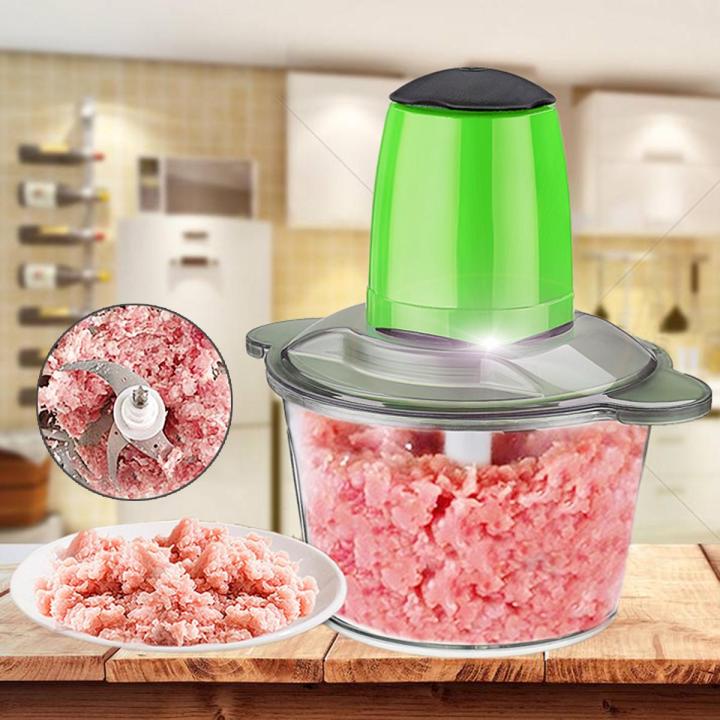
Why Bother Grinding Your Own Beef? The Juicy Benefits
“Is it really worth the effort?” I hear you ask. Absolutely, one hundred percent. The first time I ground my own blend of chuck and brisket, the difference was night and day. It wasn’t just a better burger; it was a completely different food category. Here’s why you’ll never go back to store-bought again:
- Unbeatable Flavor: When you grind your own beef, you control the cuts. This means you can create custom blends. Want a rich, beefy flavor? Use chuck. Craving a buttery, melt-in-your-mouth texture? Mix in some brisket or short rib. The possibilities are endless and allow you to tailor the burger’s flavor profile to your exact liking.
- Superior Texture: Pre-ground beef is often compressed tightly into packaging and can be overworked. This results in dense, often tough burgers. Freshly ground beef is light and airy. The strands of meat are looser, creating a more tender and juicy burger that crumbles perfectly with each bite.
- Total Control Over Fat Content: The secret to a juicy burger is fat. The ideal ratio is widely considered to be 80% lean meat to 20% fat (80/20). With store-bought ground beef, you’re trusting a label. When you grind your own, you see the fat, you choose the cut, and you know exactly what’s in your blend.
- Enhanced Food Safety: Ground beef has more surface area than a whole cut, making it more susceptible to bacteria. When you grind it yourself right before cooking, you minimize the risk of contamination. You control the cleanliness of your equipment and the freshness of the meat from start to finish.
Picking the Perfect Cut: The Foundation of a Great Burger
You can’t build a great house on a weak foundation, and you can’t make a great burger with the wrong beef. The meat counter can be intimidating, but you only need to know a few key players to create a hall-of-fame burger blend.
The undisputed king of burger meat is beef chuck. It comes from the shoulder of the cow and naturally has that perfect 80/20 lean-to-fat ratio. It’s packed with beefy flavor and is relatively inexpensive, making it the perfect starting point.
But why stop there? This is where the fun begins. Consider adding these to your blend:
- Brisket: Adds a rich, buttery flavor and a lovely soft texture.
- Short Rib: Boneless short rib meat is intensely marbled and brings a deep, luxurious flavor.
- Sirloin: A leaner cut that can add a robust, steak-like flavor, but be sure to pair it with a fattier cut like chuck to keep it from drying out.
A classic, no-fail blend is a 50/50 mix of chuck and brisket. It’s a fantastic place to start your journey into understanding how to grind your own beef for burgers.
|
Our Picks for the Best Meat Grinder in 2026
As an Amazon Associate, we earn from qualifying purchases.
|
||
| Num | Product | Action |
|---|---|---|
| 1 | MEAT! 1.5 HP Meat Grinder with 3 Stuffing Tubes, 2 Stainless Steel Grinding Plates, and a Stainless Steel Stuffing Plate for Making Ground Meat |

|
| 2 | LEM Products BigBite #8 Meat Grinder, 0.50 HP Stainless Steel Electric Meat Grinder Machine, Ideal for Regular Use |
|
| 3 | LEM Products BigBite #22 Meat Grinder, 1.0 HP Stainless Steel Electric Meat Grinder Machine, Ideal for Heavy Use |
|
| 4 | Electric Meat Grinder, Sausage Stuffer with 3 Sausage Tubes, 2 Blades, 3 Plates, 3200W Max, Meat Grinder Heavy Duty for Home Kitchen Use, Stainless Steel (Black) |
|
| 5 | STX International Turboforce II 4000 Electric Meat Grinder | Grinds Soft Bones | Foot Pedal | 6 Grinding Plates | Stainless Steel Blades | Sausage Tubes | Kubbe Maker | Meat Claws | Patty Press & More |
|
| 6 | Weston Pro Series Electric Meat Grinder 7 Sausage Stuffer, Commercial Grade, 1500 Watts, 2 HP, 21lbs. Per Minute, Heavy Duty Stainless Steel (10-3201-W) |
|
| 7 | VEVOR Commercial Meat Grinder, 550LB/h 1100W Electric Meat Mincer, ETL Approved Heavy Duty Industrial Meat Mincer Machine |
|
| 8 | AAOBOSI Meat Grinder Electric 3000W Max with Touch Color Screen, Auto-Reverse & Built-in Storage - 3 Speed Settings,Grinding, Sausage & Kibbe Making for Home Use, Stainless Steel |
|
| 9 | Commercial Meat Grinder #12,0.9HP Electric Meat Mincer,Heavy Duty Stainless Steel Industrial Meat Mincer w/2 Blades & Meat Pusher,Food Grinders Machine for Home Kitchen Regular Use |
|
| 10 | MEAT! 1.5 HP Meat Grinder with 3 Stuffing Tubes, 2 Stainless Steel Grinding Plates, and a Stainless Steel Stuffing Plate for Making Ground Meat |
|
The Ultimate Guide on How to Grind Your Own Beef for Burgers
Alright, you’ve got your meat. You’re ready to make magic. The process is surprisingly simple, but the secret lies in one word: COLD. Keeping your meat and your grinder equipment as cold as possible is non-negotiable. It ensures the fat doesn’t smear and melt, which would lead to a greasy, dense burger. You want the fat to stay in solid little pockets, which will render during cooking and create that juicy explosion of flavor.
Here’s the step-by-step playbook:
- Prep and Chill the Equipment: Before you even touch the meat, disassemble your meat grinder’s head (the auger, blade, and grinding plate) and place it in the freezer for at least 30 minutes. A chilled grinder is a happy grinder.
- Cube the Meat: Cut your chosen beef cuts into small cubes, about 1-inch in size. This makes them easy for the grinder to handle. As you cube the meat, place it on a baking sheet lined with parchment paper in a single layer.
- The Big Chill: This is the most crucial step. Place that baking sheet of cubed beef into the freezer for 15-20 minutes. You want the meat to be very firm on the outside but not frozen solid. This prevents the fat from smearing during the grinding process.
- Assemble and Grind: Retrieve your chilled grinder parts from the freezer and assemble them. Place a chilled bowl under the grinder to catch the meat. Turn the grinder on and begin feeding the firm meat cubes into the hopper, using the pusher to gently guide them down. Don’t force it; let the machine do the work.
- The (Optional) Second Grind: For a finer, more uniform texture, you can pass the meat through the grinder a second time. Many burger purists prefer a single, coarse grind to maintain a steak-like texture, but it’s a matter of personal preference. If you do a second grind, be gentle!
- Form the Patties… Gently!: This is where many people go wrong. Do not overwork the meat! Over-handling will make your burgers tough. Gently shape the ground beef into loose patties, just firm enough to hold together. Make a small dimple in the center of each patty with your thumb to prevent it from puffing up into a meatball on the grill.
Expert Tip: As Chef David Wilson always says, “Treat your ground beef like a delicate pastry, not modeling clay. The less you handle it, the more tender the final product will be. Form the patty, and then leave it alone.”
How to Clean Your Meat Grinder After Use?
Cleaning your grinder immediately after use is essential for food safety and the longevity of your machine. A clean grinder prevents bacteria buildup and ensures your next batch of ground meat tastes fresh.
To clean your grinder effectively, follow this simple checklist:
- Run Bread Through It: Before disassembling, run a few pieces of stale bread through the grinder. This pushes out any leftover meat and fat, making cleaning much easier.
- Disassemble and Soak: Unplug the machine and completely disassemble all the grinding parts. Place them in a basin of hot, soapy water.
- Scrub Everything: Use a bottle brush or a dedicated grinder cleaning brush to scrub every nook and cranny of the auger, plates, and housing.
- Rinse and Sanitize: Rinse all parts thoroughly with hot water. For extra peace of mind, you can use a food-safe sanitizer.
- Dry Completely: This is critical. Dry every single component thoroughly with a clean towel to prevent rust, especially if your parts are carbon steel. You can even place them in a warm oven for a few minutes to ensure they are bone-dry.
- Store Properly: Once dry, store the parts in a dry place. Some people recommend lightly coating metal parts with food-grade mineral oil to prevent rust.
Common Mistakes to Avoid
Learning how to grind your own beef for burgers is easy, but a few common pitfalls can trip up beginners. Avoid these, and you’ll be on the fast track to perfection.
- Using Warm Meat or Equipment: We can’t stress this enough. Cold, cold, cold. Warm fat smears, and smeared fat equals a sad, greasy burger.
- Overworking the Meat: Whether it’s during the grind or while forming patties, be gentle. An overworked burger is a tough burger.
- Using Lean Meat: Don’t be afraid of fat! A burger made from 93/7 ground beef will be dry and crumbly. Stick to the 80/20 or 75/25 ratio for the best results.
- Dulling Your Blade and Plates: Never put your grinder blade or plates in the dishwasher. The harsh detergents and high heat can dull the metal. Always hand wash. If you need to sharpen them, check out our guide on [how to maintain your meat grinder].
Frequently Asked Questions
Q: Can I grind my own beef without a meat grinder?
A: You can try using a food processor, but it’s not ideal. A food processor tends to chop and overwork the meat, resulting in a mushy, paste-like texture rather than the distinct strands you get from a grinder. For true burger excellence, a dedicated [meat grinder or stand mixer attachment] is the way to go.
Q: What’s the difference between a coarse and fine grind for burgers?
A: A coarse grind (using a plate with larger holes, around 1/4-inch or 6mm) results in a looser, more steak-like texture with a satisfying chew. A fine grind (using a plate with smaller holes) produces a more tightly packed, uniform texture, similar to what you find in most store-bought ground beef. Most burger aficionados prefer a single coarse grind.
Q: How long does freshly ground beef last?
A: Because of the increased surface area, freshly ground beef should be used quickly. It’s best to cook it within 24 hours. You can store it in an airtight container in the refrigerator for up to two days, but for the best flavor and safety, sooner is always better.
Q: Can I grind frozen meat?
A: You should not grind fully frozen meat as it can damage your grinder’s motor and blade. However, partially frozen meat (firm to the touch but not rock solid) is perfect for grinding, as it helps keep the fat cold and prevents smearing.
Q: What is the best fat to beef ratio for burgers?
A: The widely accepted gold standard for a juicy, flavorful burger is an 80/20 ratio, meaning 80% lean meat to 20% fat. This provides enough fat to keep the burger moist and flavorful during cooking without it becoming overly greasy.
Your Burger Journey Starts Now
You now hold the key to unlocking a new level of culinary satisfaction. The path to the perfect burger is not paved with expensive ingredients or secret sauces; it’s built on the simple, rewarding process of grinding your own meat. By taking control of the cuts, the fat content, and the freshness, you’re not just making dinner—you’re crafting an experience.
Embracing the skill of how to grind your own beef for burgers transforms a simple meal into an art form. So, dust off that grinder (or check out our [reviews of the best models for home use]), chill your meat, and get ready to taste the best burger you’ve ever had. We promise you’ll never look back.