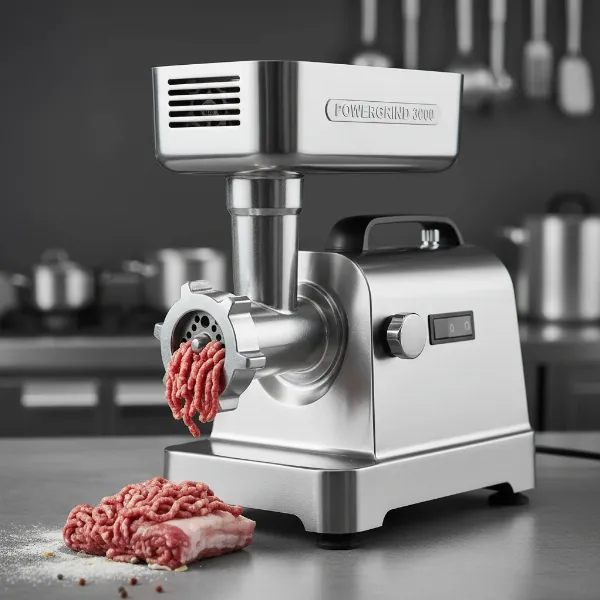
The aroma of freshly ground meat fills the kitchen with promise, signaling delicious culinary creations ahead. A meat grinder is an indispensable tool for home cooks and professionals alike, offering unparalleled control over the quality and texture of your ground ingredients. Yet, beneath its powerful performance lies the potential for serious injury if not handled with the utmost care. This comprehensive guide will equip you with essential safety tips and best practices, ensuring your meat grinding experience remains efficient, hygienic, and, most importantly, free from accidents. Let’s delve into the world of meat grinder safety and protect your hands and your peace of mind.
Understanding the Risks: What Makes Meat Grinders Dangerous?
Before we explore safety measures, it is crucial to recognize the inherent dangers of meat grinders. These powerful machines feature sharp blades and a rotating auger designed to pull meat through, creating a significant pinch and cutting hazard. The primary risks include cuts, lacerations, and even amputations, particularly to fingers and hands, if they come into contact with the internal mechanisms. Electrical hazards, such as shocks or burns, can also occur from damaged cords or improper use. Furthermore, improper cleaning can lead to bacterial contamination and foodborne illnesses, which, while not an immediate injury, is a serious health risk.
Pre-Operation Safety: Setting the Stage for Safe Grinding
Ensuring safety begins even before you switch on your meat grinder. A thorough pre-operation check and proper setup are paramount to preventing accidents.
Read the Instruction Manual
|
Our Picks for the Best Meat grinder in 2026
As an Amazon Associate I earn from qualifying purchases.
|
||
| Num | Product | Action |
|---|---|---|
| 1 | KitchenAid Stand Mixer Attachment, Food Grinder KSMMGA, Metal Food Grinder |

|
| 2 | CHEFFANO Meat Grinder, 2600W Max Stainless Steel Meat Grinder Electric, ETL Approved Heavy Duty Meat Mincer Machine with 2 Blades, 3 Plates, Sausage Stuffer Tube & Kubbe Kit for Home Kitchen Use |
|
| 3 | Meat Chopper, Hamburger Grinder, Premium Heat Resistant Smasher for Ground Beef, Burger Grinder Nylon Potato Mix Tool, Meat & Poultry Tenderizers-Black |
|
| 4 | Meat Grinder Manual Mincer 2-in-1 Manual Meat Grinder Sausage Maker Table Mount Pork Mincer Sausage Stuffer Funnel Make Homemade Burger Patties Hand Operated Kitchen Tool FQ |
|
| 5 | Electric Meat Grinder, Sausage Stuffer with 3 Sausage Tubes, 2 Blades, 3 Plates, 3200W Max, Meat Grinder Heavy Duty for Home Kitchen Use, Stainless Steel (Black) |
|
| 6 | GANIZA Food Processors, Electric Food Chopper with Meat Grinder & Vegetable Chopper - 2 Bowls (8 Cup+8 Cup) with Powerful 450W Copper Motor - Includes 2 Sets of Bi-Level Blades for Fruits/Meat/Nuts |
|
| 7 | CHEFFANO Electric Meat Grinder, [2000W Max] Heavy Duty Meat Mincer with 2 Blades, 3 Plates, Sausage Tube & Kubbe Kit for Home Kitchen Use |
|
| 8 | Oaomi 3200W Max Electric Meat Grinder & Sausage Stuffer - Mincer Machine with Tool 2 Blade And 3 Plates, 3 Tubes & Kubbe Kit Tool for Home Kitchen Use(Black) |
|
| 9 | Meat Grinder, Sausage Stuffer, [2800W Max] Electric Meat Mincer with Stainless Steel Blades & 3 Grinding Plates,Sausage Maker & Kubbe Kit for Home Kitchen & Commercial Using |
|
| 10 | LEM Products BigBite #8 Meat Grinder, 0.50 HP Stainless Steel Electric Meat Grinder Machine, Ideal for Regular Use |
|
Every meat grinder model has unique specifications and safety features. Familiarize yourself with your specific model by thoroughly reading its instruction manual before the first use. This manual will provide critical details on assembly, operation, cleaning, and troubleshooting tailored to your device.
Inspect the Grinder and Workspace
Before each use, carefully examine the meat grinder for any signs of damage, such as frayed cords, loose parts, or dull blades. A damaged machine can malfunction and pose a significant hazard. Ensure your workspace is clean, organized, and free from clutter. A clear area prevents accidental knocks or trips, allowing you to focus entirely on the task.
Ensure Proper Assembly
Correct assembly is vital for both performance and safety. Follow the manufacturer’s instructions precisely when putting the grinder together. Ensure all components, including the feeding tray, auger, blade, plate, and locking ring, are securely in place and tightened appropriately. A poorly assembled grinder can vibrate excessively, detach components, or fail to operate correctly, increasing the risk of injury.
Electrical Safety Checks
Always check the power cord for any cuts, frays, or exposed wires. Plug the grinder into a grounded electrical outlet to prevent shocks. Avoid using extension cords unless absolutely necessary, and ensure they are heavy-duty and rated for the appliance’s wattage. Never operate the grinder with wet hands or if the machine’s electrical components appear wet, as this dramatically increases the risk of electrocution.
“Safety isn’t just about what you do during operation; it starts with meticulous preparation and understanding your equipment.”
Safe Operation Techniques: Protecting Your Hands While Grinding
The grinding process itself demands unwavering attention and adherence to specific safety protocols to protect your hands from the powerful internal mechanisms.
Prepare Your Meat Properly
Cut meat into small, uniform chunks that easily fit into the grinder’s feed tube without forcing. Remove any bones, tough gristle, or sinew, as these can jam the machine or damage the blades, leading to unexpected kickbacks or malfunctions. Chilling your meat in the freezer for about 30 minutes before grinding can also make it firmer and easier to process, reducing strain on the grinder and the need to apply excessive force.
Use the Pusher Tool – Always!
This is perhaps the most critical safety rule: NEVER use your bare hands to push meat into the grinder’s feeder tube. Always use the food pusher or plunger provided with your machine. This tool is specifically designed to guide meat safely towards the auger, keeping your fingers a safe distance from the sharp blades and moving parts. If a pusher tool wasn’t included or is lost, use a wooden dowel or a sturdy, non-metallic utensil, but ensure it’s long enough to keep your hand clear.
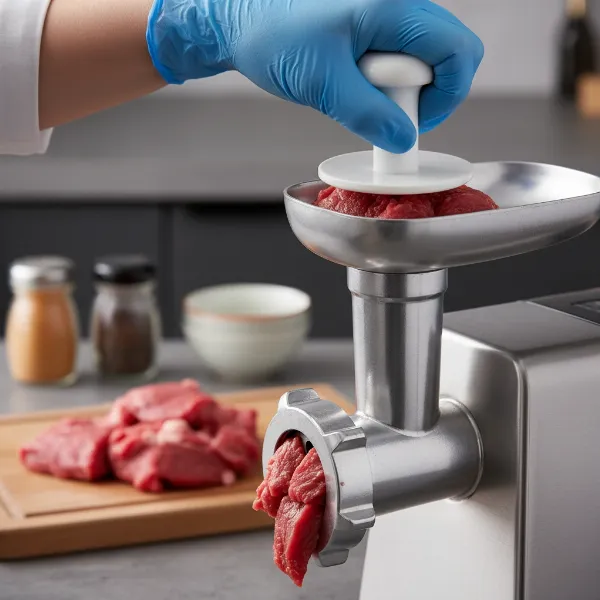 person safely pushing meat into a grinder with a food pusher, highlighting hand safety
Avoid Overloading the Grinder
Feeding too much meat at once can overload the motor, cause the machine to jam, or lead to overheating. Introduce meat gradually and allow the grinder to process each batch before adding more. If the grinder slows down significantly or makes unusual noises, stop immediately.
What to Do If the Grinder Jams
If the meat grinder jams, immediately turn off the power switch and unplug the machine before attempting to clear the obstruction. Never try to force the meat through or use metal objects to clear a jam while the grinder is still plugged in. Disassemble the feeding tube and auger components carefully, remove the blockage, and then reassemble before resuming operation. Many modern grinders also feature a reverse function, which can help clear minor jams, but always use it cautiously and be ready to power off.
Essential Safety Accessories and Personal Protective Equipment (PPE)
While vigilance is key, certain accessories and PPE can add an extra layer of protection during meat grinding.
- Cut-Resistant Gloves: Wearing cut-resistant gloves, especially when handling sharp blades during assembly or cleaning, can significantly reduce the risk of accidental cuts.
- Eye Protection: Safety glasses or goggles are advisable to protect your eyes from any unexpected splatters or projectiles, though less common with meat grinders than with other tools.
- Hair Tie and Close-Fitting Clothing: If you have long hair, tie it back securely. Avoid loose clothing, dangling jewelry, or scarves that could get caught in the moving parts of the machine, pulling your hand or body into danger.
Post-Operation Safety: Cleaning and Maintenance Without Injury
Proper cleaning and maintenance are not just about hygiene; they are crucial for preventing injuries during the process and ensuring the longevity of your machine.
Unplug Before Disassembly and Cleaning
Always, without exception, unplug the meat grinder from the power outlet before disassembling it for cleaning or performing any maintenance. This prevents accidental startup, which could cause severe injury.
Disassemble with Care
Carefully disassemble the grinder according to your manual’s instructions. Be mindful of the sharp blade and cutting plate. Handle them by their dull edges or use cut-resistant gloves.
Thorough Cleaning
Wash all parts that came into contact with meat using hot, soapy water immediately after use. This prevents food residue from drying and becoming harder to remove, which could lead to more forceful and potentially unsafe cleaning attempts. Use brushes or sponges to clean crevices, avoiding direct hand contact with sharp edges. Never immerse the motor housing or electrical components in water; wipe these with a damp cloth and then dry thoroughly.
 various disassembled meat grinder parts being washed in soapy water for hygiene
Drying and Storage
Ensure all parts are completely dry before reassembling or storing the grinder to prevent rust and bacterial growth. Moisture can also affect electrical components. Store the grinder and its attachments in a clean, dry place, keeping sharp blades and plates stored safely to avoid accidental contact. Lubricating certain metal parts with food-grade oil after drying can also help prevent rust.
Common Mistakes to Avoid When Using a Meat Grinder
Avoiding these prevalent errors can significantly reduce your risk of injury:
- Using Hands Instead of a Pusher: The most common cause of serious meat grinder injuries.
- Forcing Meat: Applying excessive pressure can jam the machine or cause it to kick back.
- Cleaning While Plugged In: An open invitation to accidental activation and injury.
- Ignoring the Manual: Each grinder has specific safety nuances.
- Grinding Bones or Hard Items: This can damage the machine and create dangerous projectiles or jams.
- Operating with Loose Clothing or Jewelry: Entanglement is a serious hazard.
Conclusion
A meat grinder is a fantastic kitchen companion that empowers you to take control of your culinary creations, from homemade sausages to fresh burgers. However, like any powerful appliance, it demands respect and adherence to safety protocols. By diligently following these safety tips—from proper preparation and careful operation to meticulous cleaning and smart maintenance—you can significantly minimize the risk of injury and maximize your enjoyment of this versatile tool. Embrace a culture of safety in your kitchen, and your meat grinding endeavors will always be successful and worry-free. What delicious, safely ground creations will you whip up next?
Frequently Asked Questions
Can I use a metal object to push meat into the grinder?
No, never use metal objects to push meat into the grinder, as they can damage the blades, the auger, or even break off and cause severe injury or damage to the machine. Always use the provided food pusher or a non-metallic alternative.
How often should I clean my meat grinder?
You should clean your meat grinder immediately after every use to prevent the growth of harmful bacteria and ensure food hygiene. Disassemble all parts that come into contact with meat and wash them thoroughly.
What should I do if the meat grinder makes a strange noise or smells like burning?
If your meat grinder makes unusual noises or emits a burning smell, immediately turn off and unplug the machine. This often indicates a jam or motor issue. Do not attempt to operate it again until you have inspected and resolved the problem.
Are there any age restrictions for operating a meat grinder?
Yes, many safety guidelines and regulations, especially in commercial settings, prohibit individuals under the age of 18 from operating powered equipment like Meat Grinders due to the significant risk of injury. Supervise children closely in the kitchen.