Ever meticulously followed a recipe for homemade sausages or burgers, only to end up with a texture that’s just… off? You’re not alone. The secret to that perfect, melt-in-your-mouth feel often lies not in the recipe, but in a small, unassuming piece of your meat grinder. So, What Is A Fine Grinding Plate For, and how can this little metal disc completely transform your kitchen game? If you’ve ever felt that store-bought ground meat lacks a certain something, or you’re ready to take your culinary creations from good to unforgettable, you’ve come to the right place. Let’s dive into the world of grind textures and uncover the magic of the fine grinding plate.
First Things First: What Are Grinding Plates, Anyway?
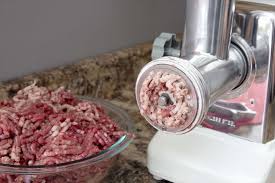
Before we zoom in on the fine plate, let’s get on the same page. Think of your meat grinder’s plates as the different lenses for a camera. Each one gives you a different result, a different “focus” on the texture of your food. These are perforated metal discs that the meat is forced through by the auger (the corkscrew-like part). The size of the holes in the plate determines the final texture of your grind.
They typically come in three main sizes:
- Coarse: Large holes (around 8-10mm), perfect for chili meat, rustic sausages, or the first step in a double grind.
- Medium: The all-rounder (around 6mm), great for most burgers and general-purpose ground meat.
- Fine: Small holes (typically 3-4.5mm), the specialist for ultra-smooth textures.
Understanding which plate to use is the key to mastering your meat grinder and achieving professional-level results at home.
|
Our Picks for the Best Meat Grinder in 2026
As an Amazon Associate, we earn from qualifying purchases.
|
||
| Num | Product | Action |
|---|---|---|
| 1 | LEM Products BigBite #22 Meat Grinder, 1.0 HP Stainless Steel Electric Meat Grinder Machine, Ideal for Heavy Use |

|
| 2 | STX International Turboforce II 4000 Electric Meat Grinder | Grinds Soft Bones | Foot Pedal | 6 Grinding Plates | Stainless Steel Blades | Sausage Tubes | Kubbe Maker | Meat Claws | Patty Press & More |
|
| 3 | Commercial Meat Grinder #12,0.9HP Electric Meat Mincer,Heavy Duty Stainless Steel Industrial Meat Mincer w/2 Blades & Meat Pusher,Food Grinders Machine for Home Kitchen Regular Use |
|
| 4 | VEVOR Commercial Meat Grinder, 550LB/h 1100W Electric Meat Mincer, ETL Approved Heavy Duty Industrial Meat Mincer Machine |
|
| 5 | LEM Products BigBite #8 Meat Grinder, 0.50 HP Stainless Steel Electric Meat Grinder Machine, Ideal for Regular Use |
|
| 6 | MEAT! 1.5 HP Meat Grinder with 3 Stuffing Tubes, 2 Stainless Steel Grinding Plates, and a Stainless Steel Stuffing Plate for Making Ground Meat |
|
| 7 | Electric Meat Grinder, Sausage Stuffer with 3 Sausage Tubes, 2 Blades, 3 Plates, 3200W Max, Meat Grinder Heavy Duty for Home Kitchen Use, Stainless Steel (Black) |
|
| 8 | MEAT! 1.5 HP Meat Grinder with 3 Stuffing Tubes, 2 Stainless Steel Grinding Plates, and a Stainless Steel Stuffing Plate for Making Ground Meat |
|
| 9 | AAOBOSI Meat Grinder Electric 3000W Max with Touch Color Screen, Auto-Reverse & Built-in Storage - 3 Speed Settings,Grinding, Sausage & Kibbe Making for Home Use, Stainless Steel |
|
| 10 | Weston Pro Series Electric Meat Grinder 7 Sausage Stuffer, Commercial Grade, 1500 Watts, 2 HP, 21lbs. Per Minute, Heavy Duty Stainless Steel (10-3201-W) |
|
So, What Is a Fine Grinding Plate For, Specifically?
A fine grinding plate is your go-to tool when you need a smooth, uniform, and almost paste-like consistency. Its small holes excel at breaking down meat fibers and fat into a tightly bound, homogenous mixture. This process is crucial for creating emulsions, where fat and water are suspended within the meat protein.
I remember the first time I tried making frankfurters without a fine plate. I used a medium grind, and the result was crumbly and greasy—a far cry from the snappy, juicy hot dogs I was aiming for. It was a lesson learned: the tool truly dictates the outcome.
Here’s exactly what a fine grinding plate is for:
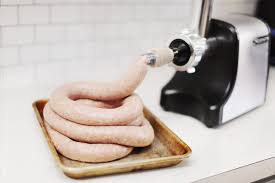
- Emulsified Sausages: This is the fine plate’s claim to fame. Think of classic sausages like Frankfurters, Bologna, or Mortadella. Their signature smooth texture and “snap” are impossible to achieve without an emulsified mixture created by a fine grind.
- Pâtés and Terrines: For a silky-smooth liver pâté or a refined country terrine, the fine plate is non-negotiable. It ensures there are no coarse bits, creating a luxurious, spreadable consistency.
- Baby Food: When preparing homemade baby food, you need the smoothest possible texture to ensure it’s safe and easy for little ones to eat. A fine grinding plate purees meats, fruits, and cooked vegetables perfectly.
- Rillettes: This classic French dish involves slow-cooked meat that is then shredded. Passing it through a fine grinding plate afterward creates a delicious, uniform, and spreadable potted meat.
- Fillings for Dumplings and Meatballs: For fillings that are tender and hold together beautifully, a fine grind is often the best choice. It creates a cohesive mixture that is easy to shape and cooks evenly.
- Some Pet Food Preparations: Many raw or cooked pet food recipes call for a very fine grind to ensure the nutrients are easily digestible and to mix supplements in evenly.
Expert Tip from Chef David Wilson: “The number one mistake people make with a fine plate is trying to force partially frozen or tough meat through it on the first pass. This creates smearing and clogs the plate. Always start with a coarse grind, re-chill your meat and your grinder head, and then run it through the fine plate. This two-step process is the professional secret to a perfect emulsion.”
The Art of the Double Grind: When to Use a Fine Plate as a Finisher
As Chef Wilson mentioned, a fine grinding plate rarely works alone. For most applications, especially with tougher cuts of meat or when making emulsions, you’ll want to perform a “double grind.”
- First Pass (Coarse Plate): Cut your well-chilled meat and fat into one-inch cubes. Pass it through the coarse grinding plate. This initial step breaks down the meat without overworking it.
- Chill, Chill, Chill: This is the most crucial step. Place the coarsely ground meat back in the freezer for 15-30 minutes until it’s very cold, but not frozen solid. The grinder components (head, auger, plate, and knife) should also be chilled.
- Second Pass (Fine Plate): Swap out the coarse plate for the fine plate. Now, run the chilled, coarsely ground meat through the grinder a second time. This final pass will give you that ultra-smooth, professional texture you’re looking for.
Skipping the chilling step is a recipe for disaster. Warm fat will “smear” instead of being cut cleanly, resulting in a greasy, pasty texture and a clogged machine.
Beyond Meat: Creative Uses for a Fine Grinding Plate
Don’t let the name “meat grinder” limit your imagination! A fine grinding plate is a surprisingly versatile kitchen tool.
- Homemade Nut Butters: After processing in a food processor, a final pass through a fine grinding plate can give your homemade peanut or almond butter an incredibly smooth finish.
- Falafel or Veggie Burgers: A fine plate is perfect for grinding chickpeas, vegetables, and binders to create a uniform mixture that holds its shape perfectly during cooking.
- Relishes and Spreads: Grind cooked vegetables, like roasted red peppers or eggplant, to create delicious, smooth dips and spreads like ajvar or baba ghanoush.
- Breadcrumbs: Stale bread can be quickly and easily turned into fine, uniform breadcrumbs for coating or baking.
How to Clean and Care for Your Grinding Plates
Proper care is essential to keep your plates from rusting and ensure they perform well for years. Rust is the enemy of any carbon steel grinding plate.
- Immediate Disassembly: As soon as you’re done grinding, unplug the machine and take it apart. Don’t let meat sit in it.
- The Bread Trick: A fantastic tip is to run a few slices of bread through the grinder after the meat. The bread pushes out the remaining meat residue, making cleanup much easier.
- Hand Wash Only: Never put your grinding plates (or any other metal grinder parts) in the dishwasher. The harsh detergents and high heat will strip their protective coating and cause them to rust almost instantly. Wash them with hot, soapy water and a stiff brush.
- Dry Thoroughly: This is critical. Immediately dry each plate completely with a towel. Don’t let them air dry. You can even place them in a warm oven (that has been turned off) for a few minutes to ensure all moisture is gone.
- Oil for Storage: Once bone-dry, apply a light coating of food-grade mineral oil to the plates. This creates a barrier against moisture and prevents rust. Store them in a sealed bag or container.
Frequently Asked Questions (FAQ)
What size is a fine grinding plate?
A fine grinding plate typically has holes that are 3mm to 4.5mm (about 1/8 inch) in diameter. This can vary slightly between brands, but it’s the smallest size commonly included with home-use meat grinders.
Can I use a fine grinding plate for burgers?
You can, but it’s often not recommended for classic American-style burgers. A fine grind can result in a burger that is too dense and compact, more like a sausage patty. For a tender, juicy burger with a bit of texture, a medium or coarse grind is usually preferred.
Why is my meat smearing when I use the fine grinding plate?
Smearing is almost always caused by heat. Either your meat and fat were not cold enough, or you tried to force too much through the grinder at once, creating friction and heat. To fix this, stop immediately, clean the plate and blade, and thoroughly chill all your meat and grinder parts before trying again.
My fine grinding plate is rusty. Can I still use it?
It’s best not to use a rusty plate. Rust can flake off into your food and also indicates the plate’s surface is pitted, which will hinder its performance. You can try to remove light surface rust with a steel wool pad and then re-season it with oil, but if the rust is significant, it’s safer to replace the plate.
Do I need to sharpen my grinding plates?
Grinding plates don’t get sharpened. It’s the four-armed cutting blade that does the cutting, and it should sit flat against the plate. Both the blade and the plates wear down together as a set. If your grinder’s performance declines, it’s usually best to replace both the blade and your most-used plates at the same time.
The Final Grind
So, what is a fine grinding plate for? It’s for precision, for texture, and for taking your control over your food to the next level. It’s the key that unlocks silky pâtés, snappy sausages, and perfectly smooth fillings. While the medium plate may be the everyday workhorse, the fine plate is the specialist that turns simple ingredients into something truly special. By understanding its purpose and learning to use it correctly—especially by embracing the double grind—you’re not just making food; you’re crafting culinary experiences. Go ahead, attach that fine plate, and discover a new world of texture in your kitchen.