Ever wondered what separates a good homemade burger from a great one? It’s not just the seasoning; it’s the texture of the meat. That perfect grind is the secret weapon of pro chefs and serious home cooks. And if you’ve ever asked What Is A Gear Driven Grinder, you’re on the verge of discovering the powerhouse behind that culinary magic. This isn’t just another kitchen gadget; it’s a game-changer that puts you in complete control of your food’s quality, flavor, and freshness.
The Heart of the Machine: Understanding Grinder Mechanics
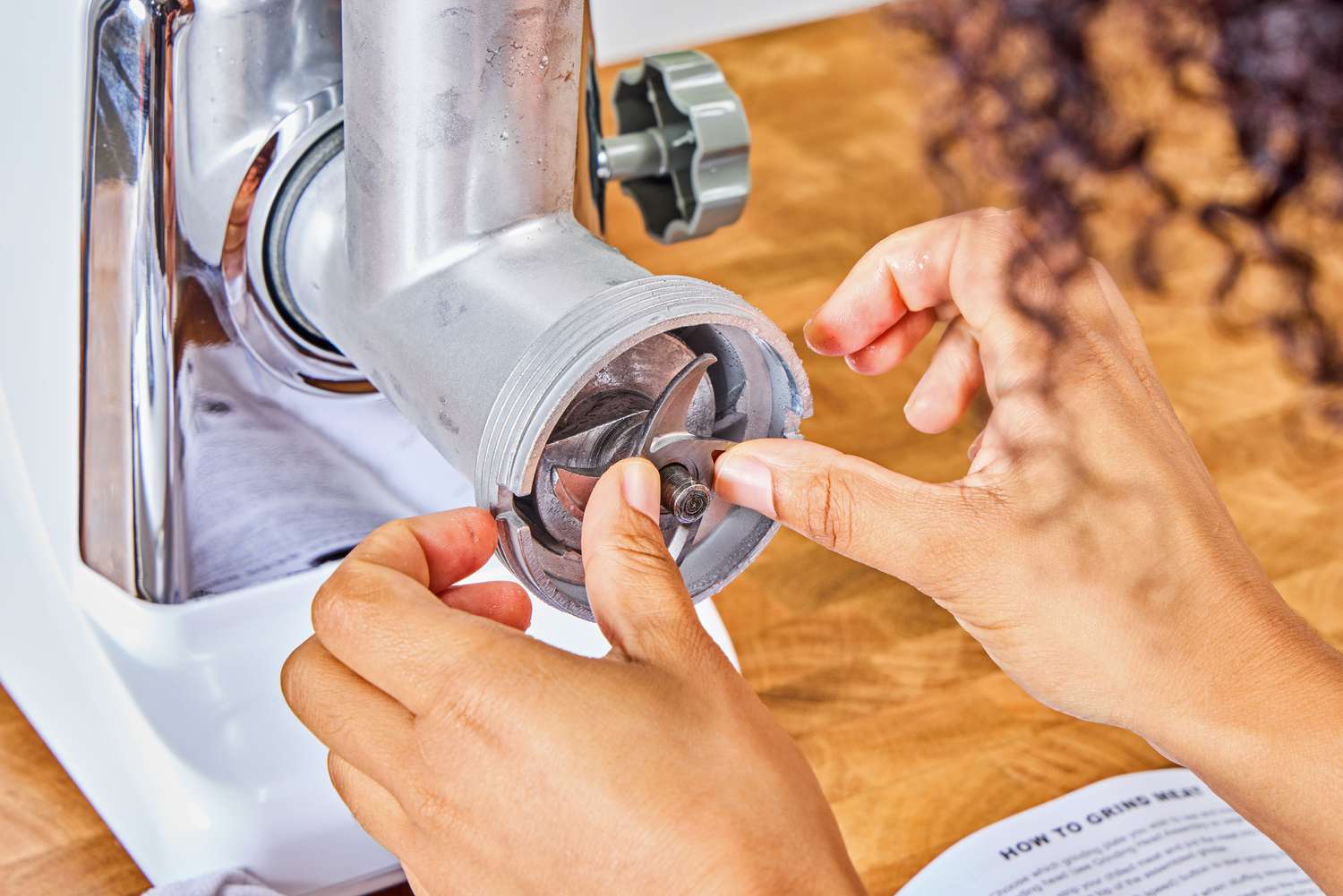
Before we dive into the specifics of gear-driven models, let’s quickly pop the hood on a meat grinder. At its core, any electric meat grinder has a motor that provides power. This power needs to be transferred to an auger (that corkscrew-shaped part) which pushes the meat forward. As the meat moves, it’s forced through a sharp, star-shaped cutting blade and then extruded through a grinding plate (a metal disc with holes). The size of the holes determines the coarseness of your grind.
The crucial part is how the power gets from the motor to the auger. This is where the distinction between different types of grinders becomes incredibly important.
So, What Is a Gear Driven Grinder, Really?
A gear driven grinder is an electric meat grinder that uses a series of interlocking gears, typically made of metal, to transfer power directly from the motor to the auger.
Think of it like the transmission in your car. The engine produces power, and the gearbox transfers that power to the wheels efficiently. In a gear driven grinder, the motor connects to a transmission system of gears. This setup is all about maximizing torque—the rotational force that does the actual work of crushing and pushing meat, fat, and even small bones. Because the power transfer is direct and mechanical, very little energy is lost, resulting in a highly efficient and powerful grinding experience.
|
Our Picks for the Best Meat Grinder in 2026
As an Amazon Associate, we earn from qualifying purchases.
|
||
| Num | Product | Action |
|---|---|---|
| 1 | Commercial Meat Grinder #12,0.9HP Electric Meat Mincer,Heavy Duty Stainless Steel Industrial Meat Mincer w/2 Blades & Meat Pusher,Food Grinders Machine for Home Kitchen Regular Use |

|
| 2 | LEM Products BigBite #8 Meat Grinder, 0.50 HP Stainless Steel Electric Meat Grinder Machine, Ideal for Regular Use |
|
| 3 | Electric Meat Grinder, Sausage Stuffer with 3 Sausage Tubes, 2 Blades, 3 Plates, 3200W Max, Meat Grinder Heavy Duty for Home Kitchen Use, Stainless Steel (Black) |
|
| 4 | VEVOR Commercial Meat Grinder, 550LB/h 1100W Electric Meat Mincer, ETL Approved Heavy Duty Industrial Meat Mincer Machine |
|
| 5 | MEAT! 1.5 HP Meat Grinder with 3 Stuffing Tubes, 2 Stainless Steel Grinding Plates, and a Stainless Steel Stuffing Plate for Making Ground Meat |
|
| 6 | LEM Products BigBite #22 Meat Grinder, 1.0 HP Stainless Steel Electric Meat Grinder Machine, Ideal for Heavy Use |
|
| 7 | STX International Turboforce II 4000 Electric Meat Grinder | Grinds Soft Bones | Foot Pedal | 6 Grinding Plates | Stainless Steel Blades | Sausage Tubes | Kubbe Maker | Meat Claws | Patty Press & More |
|
| 8 | MEAT! 1.5 HP Meat Grinder with 3 Stuffing Tubes, 2 Stainless Steel Grinding Plates, and a Stainless Steel Stuffing Plate for Making Ground Meat |
|
| 9 | Weston Pro Series Electric Meat Grinder 7 Sausage Stuffer, Commercial Grade, 1500 Watts, 2 HP, 21lbs. Per Minute, Heavy Duty Stainless Steel (10-3201-W) |
|
| 10 | AAOBOSI Meat Grinder Electric 3000W Max with Touch Color Screen, Auto-Reverse & Built-in Storage - 3 Speed Settings,Grinding, Sausage & Kibbe Making for Home Use, Stainless Steel |
|
Gear-Driven vs. Belt-Driven: The Ultimate Showdown
The most common alternative to a gear-driven system is a belt-driven one. To truly understand the benefits, it helps to see them side-by-side. A belt-driven grinder uses a rubber or synthetic belt to connect the motor to the auger, much like the fan belt in a car.
Here’s a breakdown of how they stack up:
| Feature | Gear-Driven Grinder | Belt-Driven Grinder |
|---|---|---|
| Torque | Very High. Excellent for tough meats, sinew, and even soft bones. | Moderate. Can struggle with very tough cuts or large volumes. |
| Durability | Extremely High. Metal gears are built to last for years under heavy use. | Lower. Belts can stretch, slip, or break over time and need replacement. |
| Efficiency | High. Direct power transfer means less energy is wasted. | Lower. Some energy is lost to friction and potential belt slippage. |
| Noise Level | Generally louder due to metal-on-metal contact. | Typically quieter during operation. |
| Maintenance | Low maintenance. Gears need occasional lubrication but are very robust. | Belts may need tightening or replacement over their lifespan. |
| Price Point | Generally more expensive due to more complex and robust construction. | Often more budget-friendly and common in entry-level models. |
For the serious home user, butcher, or hunter, the choice is clear. The raw power and sheer reliability of a gear-driven system are unmatched.
Why Should You Choose a Gear-Driven Grinder?
So, you get the technical difference, but what does it mean for you in the kitchen? It means everything.
- Unstoppable Power: Have you ever used a cheaper grinder that whines and bogs down when you feed it a slightly tougher cut of beef chuck? A gear-driven model plows right through it without hesitation. This power gives you the confidence to tackle any project, from fine-grinding venison to coarse-grinding pork for sausage.
- Incredible Consistency: Because the grinder maintains a steady, powerful speed, it produces a remarkably consistent grind. You won’t get some parts mushed and others chunky. This consistency is key to perfect sausages, meatballs, and burgers.
- Long-Term Investment: While the upfront cost might be higher, a quality gear driven grinder is a buy-it-for-life kind of tool. I still remember the first time I used a heavy-duty commercial-grade one after struggling with a basic model for years. The difference was night and day. It felt less like an appliance and more like a professional piece of machinery that would likely outlast me.
- Versatility: The high torque allows you to do more than just grind pristine cuts of meat. You can easily grind chicken with small bones for homemade pet food, process tough vegetables for relish, or even grind hard cheeses.
Expert Tip from Chef David Wilson: “The biggest mistake people make is not chilling their equipment. Before any big grinding session, I throw my grinder’s head, auger, blade, and plate in the freezer for at least 30 minutes. A cold machine keeps the fat solid, preventing it from smearing and leading to a much cleaner, more defined grind. This is especially crucial for a powerful gear-driven unit.”
How to Choose the Right Gear-Driven Grinder for You
When you’re ready to invest, a few key factors will guide your decision. It’s not just about finding a gear driven grinder; it’s about finding the right one.
Power and Wattage
Look for the motor’s horsepower (HP) or wattage. For home use, a grinder between 500 and 750 watts (around 0.75 HP) is a fantastic sweet spot. This provides more than enough power for processing large batches of meat for sausage-making or stocking the freezer after a hunt.
All-Metal Gears?
This is a huge one. While most gear-driven systems are robust, the gold standard is all-metal gears. Some mid-range models might use nylon or heavy-duty plastic gears to reduce noise and cost. While these are still superior to belts, they are a potential point of failure under extreme load. If you plan on grinding bone or processing very large quantities, insist on all-metal construction.
Build Quality and Materials
Look for a stainless steel or heavy-duty cast aluminum body. Stainless steel is the premium choice—it’s non-porous, easy to sanitize, and won’t rust. Also, check the quality of the accessories. Do the grinding plates feel substantial? Is the food pusher solid? These details matter.
How to Use Your Gear-Driven Grinder Like a Pro
Using one of these beasts is straightforward, but following a few steps will guarantee perfect results and safe operation every time.
- Preparation is Key: As Chef Wilson mentioned, chill everything! Your meat should be semi-frozen, firm to the touch but not rock solid. Cut it into 1-inch cubes or long strips that will easily fit down the grinder’s throat.
- Assemble Correctly: Ensure the blade is placed on the auger with the flat cutting edges facing out towards the grinding plate. This is the most common assembly error.
- Turn It On First: Always turn the grinder on before you start adding meat. This allows the auger to get up to speed and prevents jamming.
- Feed Steadily: Gently drop the meat into the hopper. Let the auger do the work of pulling it in. Don’t force it. Use the provided food pusher (stomper) to guide the meat down—never use your fingers.
- The Second Grind (Optional): For a finer texture, like for hot dogs or certain sausages, run the meat through the grinder a second time. Start with a coarse plate for the first pass, then switch to a fine plate for the second.
Cleaning and Maintenance: Keeping Your Grinder in Top Shape
A gear driven grinder is a serious piece of equipment, and proper care will ensure it lasts a lifetime.
- [ ] Disassemble Immediately: Don’t let meat and fat dry inside. Take the grinder head apart right after use.
- [ ] The Bread Trick: Before washing, run a few pieces of bread through the grinder. It helps push out the last bits of meat and fat, making cleaning much easier.
- [ ] Hand Wash Only: Never put grinder parts in the dishwasher unless they are explicitly marked as dishwasher-safe (most are not). The harsh detergents and high heat can damage the finish, especially on aluminum parts. Use hot, soapy water and a bottle brush to clean inside the head.
- [ ] Dry Thoroughly: Lay all parts on a towel to air dry completely to prevent rust, especially on carbon steel blades and plates.
- [ ] Protect with Oil: After drying, wipe a thin layer of food-grade mineral oil on the blade and grinding plates to prevent rust during storage.
FAQs: Your Gear-Driven Grinder Questions Answered
Can a gear driven grinder grind bones?
Yes, many powerful home-use gear-driven grinders can handle soft bones like chicken wings or necks, which is great for making raw pet food. However, you should never attempt to grind hard, dense bones from beef or pork, as this can damage even the most robust machine. Always check your manufacturer’s recommendations.
What’s the difference between metal and plastic gears in a grinder?
Metal gears provide maximum durability and torque, making them ideal for heavy-duty, frequent use. Plastic (or nylon) gears are quieter and less expensive but can strip or break under extreme stress. For longevity and peace of mind, all-metal gears are the superior choice.
Are gear driven grinders really loud?
They are generally louder than their belt-driven counterparts due to the nature of metal gears meshing. However, the sound is often a lower-frequency, reassuring hum of power rather than the high-pitched whine of a struggling motor. It’s the sound of work being done efficiently.
How many watts do I need for a home meat grinder?
For most home applications, including making sausage and processing game, a 500-750 watt gear-driven model is more than sufficient. This provides a great balance of power, performance, and price.
Is a more expensive meat grinder worth it?
If you grind meat more than a few times a year, absolutely. A more expensive, gear-driven model is an investment in power, speed, and durability. It will save you time, reduce frustration, and produce a far superior product compared to cheaper, belt-driven alternatives.
The Final Grind: Why It’s Worth It
In the end, understanding what is a gear driven grinder is about understanding the value of having the right tool for the job. It’s the difference between struggling with an appliance and mastering a craft. It gives you the power to control your ingredients, the confidence to try new recipes, and the satisfaction of creating something truly delicious from scratch. Whether you’re a seasoned hunter, a budding charcuterie enthusiast, or just someone who refuses to settle for a mediocre burger, a gear driven grinder isn’t an expense—it’s an upgrade to your entire kitchen.