Ever unboxed a shiny new kitchen gadget, pulled out all the parts, and been left staring at one odd-looking piece, wondering what on earth it’s for? If you’ve just welcomed a meat grinder into your home, that mystery part is likely the food pusher. So, What Is A Meat Pusher For, and is it really that important? Let’s be honest, it might look like a simple plastic or wooden plunger, but it’s hands down one of the most critical components for both your safety and the quality of your grind. It’s the unsung hero of the meat grinding world, and today, we’re giving it the spotlight it deserves.
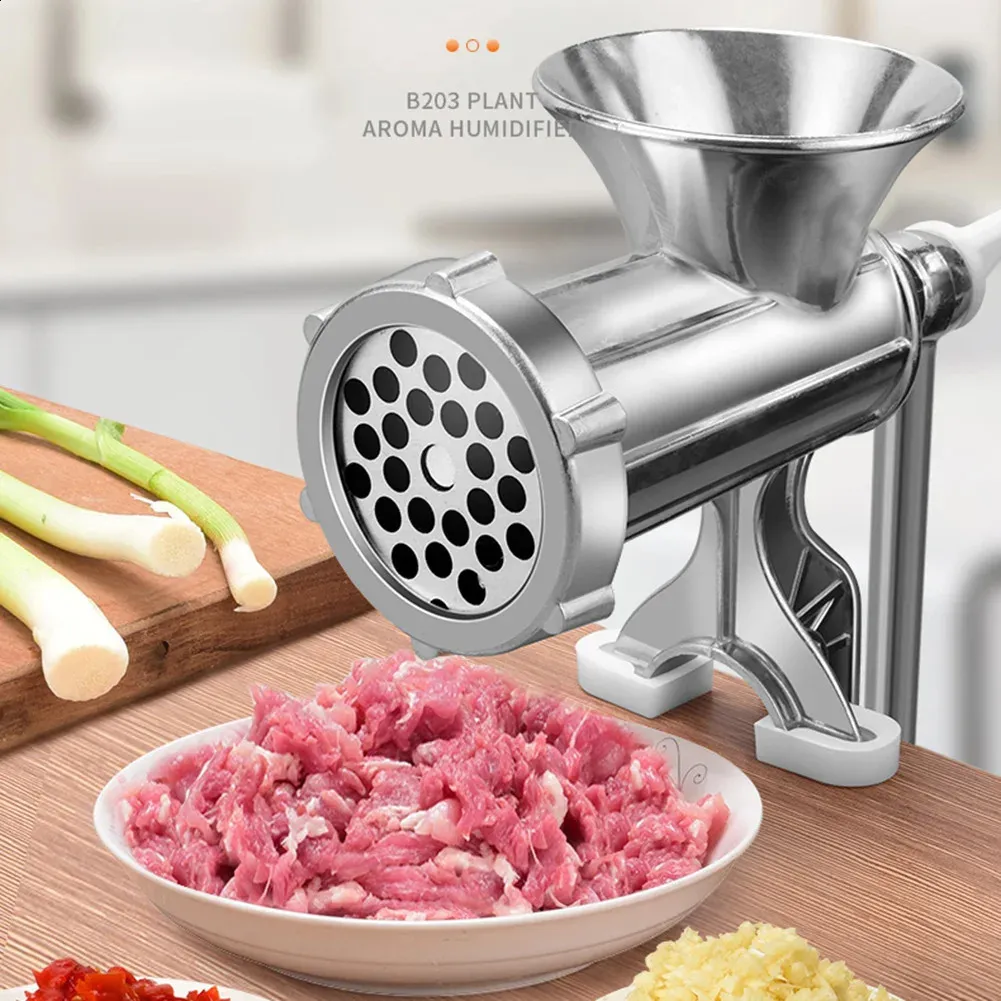
The Meat Pusher Explained: An Essential Partner in Grinding
At its core, a meat pusher is a safety and efficiency tool designed specifically for your meat grinder. Its primary job is to safely guide chunks of meat, fat, or other foods down the grinder’s hopper and into the auger (the corkscrew-like part) for processing. Think of it as the only thing that should ever be encouraging your ingredients to move forward.
The design is intentional: it’s long enough to reach the auger but shaped to prevent your hand from ever getting close to the dangerous moving parts inside. It fits snugly within the hopper tube, ensuring that pressure is applied evenly to the meat, which leads to a more consistent and efficient grind. Without it, you’re not just risking a terrible-tasting burger; you’re risking a trip to the emergency room.
The Dangers of Improvising: Why Your Fingers Are Not a Meat Pusher
Let’s get this out of the way immediately. The number one reason a meat pusher exists is safety. It might be tempting to use your fingers, the handle of a wooden spoon, or some other makeshift tool to shove that last piece of pork shoulder down the chute. Don’t do it. Ever.
- Serious Injury: A meat grinder’s auger is incredibly powerful, whether it’s a manual or electric model. It’s designed to crush and tear through tough muscle and bone. It will do the same to a finger in a split second, long before you have time to react.
- Damaging Your Grinder: Using utensils not designed for the task can damage your machine. A metal spoon can chip the auger or grinding plates, sending metal shards into your food. A wooden handle can splinter, contaminating your meat and potentially breaking the grinder’s internal mechanism.
- Poor Performance: Your grinder is a system, and the pusher is a key part of it. Using your fingers or an ill-fitting tool applies uneven pressure, which can cause the meat to smear or clog the machine. This leads to a poor-textured final product and a lot of frustration.
Simply put, the meat pusher is a non-negotiable tool. It’s the barrier between your hand and a very powerful machine.
|
Our Picks for the Best Meat Grinder in 2026
As an Amazon Associate, we earn from qualifying purchases.
|
||
| Num | Product | Action |
|---|---|---|
| 1 | VEVOR Commercial Meat Grinder, 550LB/h 1100W Electric Meat Mincer, ETL Approved Heavy Duty Industrial Meat Mincer Machine |

|
| 2 | LEM Products BigBite #22 Meat Grinder, 1.0 HP Stainless Steel Electric Meat Grinder Machine, Ideal for Heavy Use |
|
| 3 | AAOBOSI Meat Grinder Electric 3000W Max with Touch Color Screen, Auto-Reverse & Built-in Storage - 3 Speed Settings,Grinding, Sausage & Kibbe Making for Home Use, Stainless Steel |
|
| 4 | Weston Pro Series Electric Meat Grinder 7 Sausage Stuffer, Commercial Grade, 1500 Watts, 2 HP, 21lbs. Per Minute, Heavy Duty Stainless Steel (10-3201-W) |
|
| 5 | MEAT! 1.5 HP Meat Grinder with 3 Stuffing Tubes, 2 Stainless Steel Grinding Plates, and a Stainless Steel Stuffing Plate for Making Ground Meat |
|
| 6 | Commercial Meat Grinder #12,0.9HP Electric Meat Mincer,Heavy Duty Stainless Steel Industrial Meat Mincer w/2 Blades & Meat Pusher,Food Grinders Machine for Home Kitchen Regular Use |
|
| 7 | STX International Turboforce II 4000 Electric Meat Grinder | Grinds Soft Bones | Foot Pedal | 6 Grinding Plates | Stainless Steel Blades | Sausage Tubes | Kubbe Maker | Meat Claws | Patty Press & More |
|
| 8 | LEM Products BigBite #8 Meat Grinder, 0.50 HP Stainless Steel Electric Meat Grinder Machine, Ideal for Regular Use |
|
| 9 | Electric Meat Grinder, Sausage Stuffer with 3 Sausage Tubes, 2 Blades, 3 Plates, 3200W Max, Meat Grinder Heavy Duty for Home Kitchen Use, Stainless Steel (Black) |
|
| 10 | MEAT! 1.5 HP Meat Grinder with 3 Stuffing Tubes, 2 Stainless Steel Grinding Plates, and a Stainless Steel Stuffing Plate for Making Ground Meat |
|
How a Meat Pusher Improves Your Grind Quality
Beyond the crucial safety aspect, using the proper meat pusher genuinely results in better-tasting, better-textured ground meat. It’s all about control and consistency.
Achieving the Perfect Texture
When you apply steady, even pressure with the pusher, the meat is fed into the auger and cutting blade at an optimal rate. This allows the blade and plate to do their job cleanly, shearing the meat into distinct particles. If you feed the meat too slowly or unevenly, the fat can begin to warm up and “smear,” resulting in a pasty, unappetizing texture.
Preventing Clogs and Jams
A well-designed pusher helps keep the flow of meat constant, preventing the grinder from getting overwhelmed and jamming. When you use your hands, you might accidentally drop a large, awkwardly shaped piece in, which can easily cause a clog. The pusher allows you to methodically introduce the meat, ensuring a smooth operation from start to finish.
“A common mistake I see home cooks make is underestimating the meat pusher. They see it as just a stick. But it’s your main tool for controlling the grind. Gentle, consistent pressure is the secret to a light, fluffy ground texture, whether you’re making Italian sausage or steak burgers. The pusher gives you that control.” – Chef David Wilson
How to Use a Meat Pusher Safely and Effectively
Using a meat pusher is simple, but following the correct technique will guarantee safety and great results. Let’s walk through it.
- Preparation is Key: Make sure your meat is properly chilled (almost frozen) and cut into strips or cubes that will easily fit down the hopper’s throat. Never try to force a piece that’s too big.
- Assemble Your Grinder: Ensure your meat grinder is assembled correctly and is stable on your countertop.
- Load the Hopper: Place a few pieces of meat into the hopper tray and turn the machine on.
- Guide, Don’t Force: Take the meat pusher and gently begin to guide the meat down the chute toward the auger. You don’t need to apply massive force. The auger is designed to grab the meat and pull it in. The pusher is there to guide it and give it a gentle nudge.
- Listen to Your Machine: Pay attention to the sound of the grinder. If it starts to strain, you might be pushing too hard or too fast. Ease up and let the machine catch up.
- Never Leave it Unattended: Always stay with your grinder while it is operating.
What If I Lost My Meat Pusher?
It happens. In the chaos of cleaning and storing, small parts can go missing. If you’ve lost your meat pusher, you have a few safe options.
- Order a Replacement from the Manufacturer: This is the best and safest option. A genuine replacement part is guaranteed to fit your specific model perfectly, ensuring both safety and optimal performance. Check the manufacturer’s website or customer service.
- Buy a Universal Pusher: Some companies sell “universal” meat pushers. Before buying one, carefully measure the diameter of your grinder’s hopper tube to ensure a proper fit. It shouldn’t be too tight or too loose.
- As a Last Resort, Find a Safe Substitute: If you’re in a pinch, a wooden dowel or the end of a French-style rolling pin that fits the opening without touching the sides could work temporarily. It must be sturdy, made of a food-safe material, and long enough that your hand stays far away from the opening. However, this is not a recommended long-term solution.
Frequently Asked Questions (FAQ)
Can I use a spoon or fork instead of a meat pusher?
No, you should never use metal utensils to push meat into a grinder. They can easily slip, cause catastrophic damage to the grinder’s internal parts, and contaminate your food with metal shavings.
Is it safe to use my fingers with a manual meat grinder?
Even with a manual grinder, using your fingers is extremely dangerous. While you control the speed, the force generated by the crank and auger is more than enough to cause a severe injury. Always use the provided meat pusher.
Are all meat pushers the same size?
No, meat pushers are designed to fit the specific diameter and depth of the hopper on their corresponding grinder model. A #5 grinder will have a smaller pusher than a #32 grinder. Using the wrong size can be ineffective and unsafe.
What are meat pushers usually made of?
Most meat pushers that come with consumer-grade grinders are made from durable, food-safe plastic like polyethylene or ABS. Some heavy-duty or commercial models may use wood or even stainless steel.
Does the meat pusher have any other uses?
Yes! It’s also the perfect tool to use when you’re stuffing sausages with a grinder attachment. It allows you to push the ground meat mixture into the hopper without introducing air pockets, leading to perfectly packed sausage links.
The Final Word on the Meat Pusher
So, what is a meat pusher for? It’s your grinder’s most valuable player when it comes to safety, efficiency, and quality. It protects your hands, ensures your machine runs smoothly, and helps you create perfectly textured ground meat every single time. It may not be the most glamorous part of the machine, but it’s a tool that demands respect. Treat it as an essential and inseparable part of your meat grinder, and you’ll be on your way to grinding like a pro. Ready to take your culinary creations to the next level? Explore our collection of top-rated meat grinders and start your journey to fresher, more flavorful food today.