So, you’ve unboxed your shiny new meat grinder, all excited to make gourmet burgers and meatballs from scratch. You lay out all the gleaming metal parts and pieces, and then you see it: a strange-looking disc with just three massive, bean-shaped holes. It looks nothing like the other grinding plates. You’re probably wondering, What Is A Three Hole Stuffing Plate and what on earth am I supposed to do with it? Don’t worry, you’re not alone. I remember my first grinder, staring at that exact same piece and feeling completely baffled. But let me tell you, that odd little plate is the secret key to unlocking a whole new level of culinary creation: perfect, homemade sausage.
That’s right. This isn’t a grinding plate at all. It’s a specialized tool designed specifically for stuffing sausage casings. Think of it less as a mincer and more as a spacer or a pusher. Its job is to allow your already-ground and seasoned meat mixture to pass through the grinder head and into a stuffing tube without being ground a second time. It’s an absolute game-changer, and today, we’re going to dive deep into why this humble accessory is one of the most important tools in your meat-grinding arsenal.
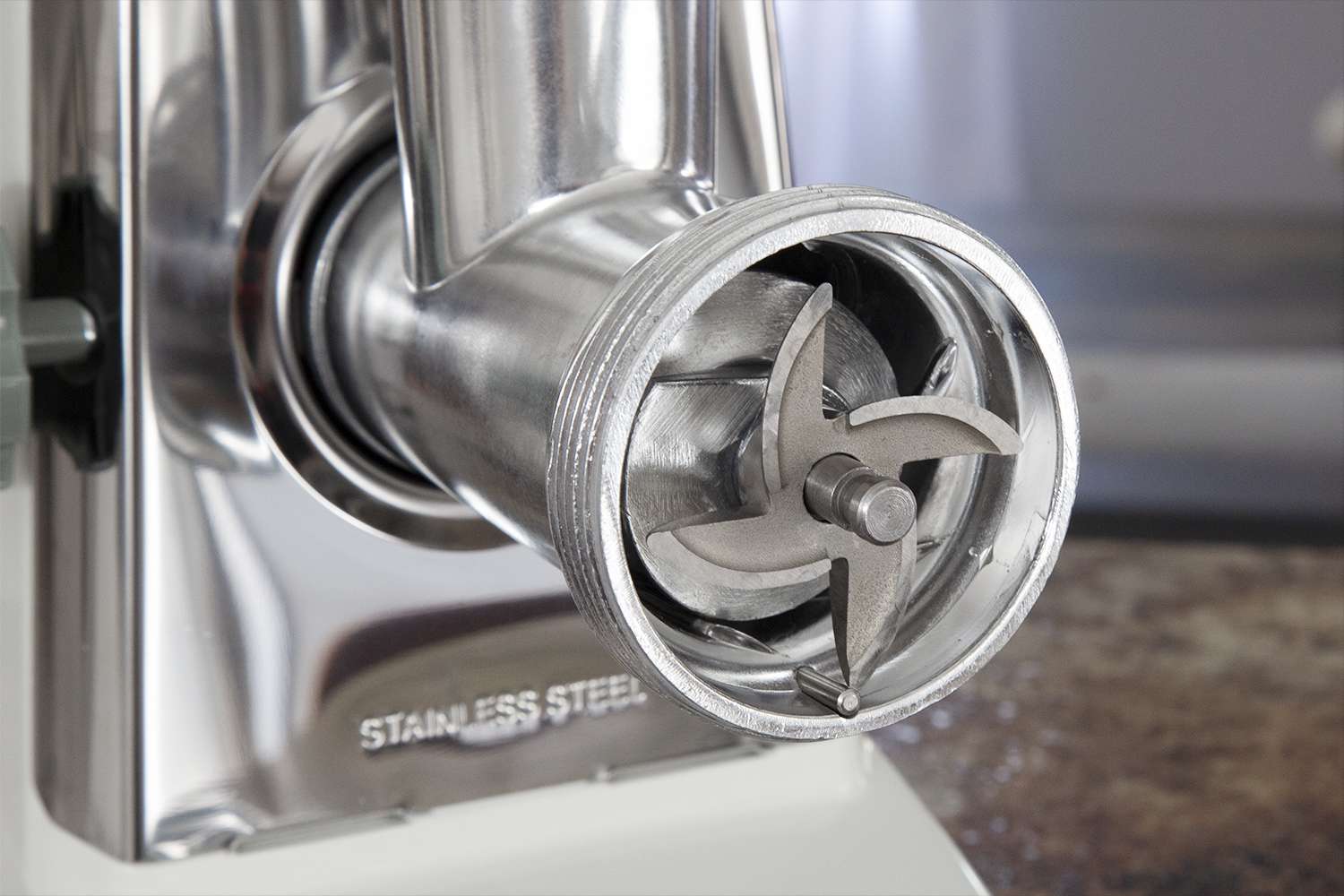
The Nitty-Gritty: What a Three Hole Stuffing Plate Does
A three hole stuffing plate, often called a sausage stuffer plate or a “kidney plate” because of the shape of its holes, is a meat grinder attachment used exclusively for stuffing sausages. It has two or three very large openings that allow seasoned, ground meat to pass through the machine without further processing, maintaining the perfect texture for your links.
Unlike standard grinding plates with many small holes designed to cut and extrude meat, this plate simply acts as a guide. It holds the auger (the corkscrew-like part) in place and forces the meat mixture forward into the sausage stuffing funnel. Using it ensures your sausage mix isn’t turned into a pasty, emulsified mess, which is exactly what would happen if you tried to stuff it through a regular grinding plate.
Why Can’t I Just Use a Regular Grinding Plate for Stuffing?
This is a fantastic question and one that gets to the heart of sausage-making science. The texture of a great sausage is all about particle definition—the little bits of fat and meat that you can see and feel. You achieve this during your first (and sometimes second) grind.
Here’s what happens if you try to force that perfectly ground mixture through a regular plate again:
- Over-processing: The meat and fat get ground again, smearing the fat and destroying the texture. This creates a dense, rubbery, or mushy final product, similar to a hot dog wiener (which is an emulsified sausage, a different beast altogether).
- Heat and Friction: Pushing meat through small holes generates friction and heat. This can cause the fat to “break” or melt prematurely, resulting in a dry, crumbly sausage once it’s cooked.
- Clogging: The seasoned, sticky sausage mix is much harder to push through small holes, leading to frequent clogs and a lot of frustration.
Expert Tip from Chef David Wilson: “The biggest mistake beginners make is overworking their sausage mix. The three hole stuffing plate is your best friend because it respects the initial grind. It lets the meat flow freely, keeping the fat cold and the texture distinct. It’s the difference between a homemade, artisan sausage and a disappointing, pasty tube of meat.”
Using the three hole stuffing plate is the professional way to ensure your sausage has that classic, juicy bite.
|
Our Picks for the Best Meat Grinder in 2026
As an Amazon Associate, we earn from qualifying purchases.
|
||
| Num | Product | Action |
|---|---|---|
| 1 | MEAT! 1.5 HP Meat Grinder with 3 Stuffing Tubes, 2 Stainless Steel Grinding Plates, and a Stainless Steel Stuffing Plate for Making Ground Meat |

|
| 2 | Weston Pro Series Electric Meat Grinder 7 Sausage Stuffer, Commercial Grade, 1500 Watts, 2 HP, 21lbs. Per Minute, Heavy Duty Stainless Steel (10-3201-W) |
|
| 3 | LEM Products BigBite #22 Meat Grinder, 1.0 HP Stainless Steel Electric Meat Grinder Machine, Ideal for Heavy Use |
|
| 4 | AAOBOSI Meat Grinder Electric 3000W Max with Touch Color Screen, Auto-Reverse & Built-in Storage - 3 Speed Settings,Grinding, Sausage & Kibbe Making for Home Use, Stainless Steel |
|
| 5 | Commercial Meat Grinder #12,0.9HP Electric Meat Mincer,Heavy Duty Stainless Steel Industrial Meat Mincer w/2 Blades & Meat Pusher,Food Grinders Machine for Home Kitchen Regular Use |
|
| 6 | LEM Products BigBite #8 Meat Grinder, 0.50 HP Stainless Steel Electric Meat Grinder Machine, Ideal for Regular Use |
|
| 7 | Electric Meat Grinder, Sausage Stuffer with 3 Sausage Tubes, 2 Blades, 3 Plates, 3200W Max, Meat Grinder Heavy Duty for Home Kitchen Use, Stainless Steel (Black) |
|
| 8 | VEVOR Commercial Meat Grinder, 550LB/h 1100W Electric Meat Mincer, ETL Approved Heavy Duty Industrial Meat Mincer Machine |
|
| 9 | STX International Turboforce II 4000 Electric Meat Grinder | Grinds Soft Bones | Foot Pedal | 6 Grinding Plates | Stainless Steel Blades | Sausage Tubes | Kubbe Maker | Meat Claws | Patty Press & More |
|
| 10 | MEAT! 1.5 HP Meat Grinder with 3 Stuffing Tubes, 2 Stainless Steel Grinding Plates, and a Stainless Steel Stuffing Plate for Making Ground Meat |
|
The A-Team: How the Stuffing Plate Works with Other Parts
The stuffing plate doesn’t work in isolation. It’s part of a team of attachments that transform your meat grinder into a sausage-stuffing machine.
- The Grinder Body and Auger: This is the main machine. You feed your seasoned meat mix into the top tray and the auger (or “worm”) pushes it forward.
- The Three Hole Stuffing Plate: You’ll place this at the end of the auger, where a normal grinding plate would go. The large holes allow the meat to pass through unhindered.
- The Sausage Stuffing Tube (or Funnel): These come in various sizes for different types of sausage casings (e.g., small for breakfast links, large for bratwurst). This tube slides over the end of the grinder, and the retaining ring screws on over it, holding both the stuffing tube and the stuffing plate securely in place. The knife blade is removed for this process.
When assembled, the auger pushes the meat, the stuffing plate holds everything in place and allows passage, and the stuffing tube funnels the meat neatly into your casing.
Your Step-by-Step Guide to Using the Plate
Ready to make some sausage? Let’s walk through the process. It’s easier than you think!
Step 1: Grind and Season Your Meat
First things first, you need to grind your meat. For most sausages, a coarse grind (using a plate with 8mm or 10mm holes) is a great starting point. After grinding, mix in your seasonings, spices, and any liquid (like ice water or wine) by hand until it’s just combined and sticky.
- Pro Tip: Keep everything—the meat, the grinder parts, the bowl—as cold as possible. I often pop my grinder head and the meat in the freezer for 30 minutes before I start.
Step 2: Re-assemble Your Grinder for Stuffing
Now it’s time to set up for stuffing. This is where your special plate comes in.
- Make sure the grinder head is clean.
- Insert the auger.
- Important: Do NOT put the cutting blade back on. You are not cutting anymore.
- Place the three hole stuffing plate on the end of the auger.
- Choose the correct size stuffing tube for your casings and place it over the plate.
- Screw the retaining ring on tightly to hold everything together.
Step 3: Prepare and Load Your Casings
Whether you’re using natural or synthetic casings, they usually need to be rinsed and soaked in warm water to become pliable. Once they’re ready, carefully thread the entire length of the casing onto the stuffing tube, bunching it up like a sleeve. Leave a few inches hanging off the end.
Step 4: Start Stuffing!
Load your seasoned meat mixture back into the grinder’s hopper tray. Turn the machine on its slowest setting. As the meat begins to emerge from the end of the stuffing tube, turn the machine off. Squeeze out any air from the end of the casing and tie a knot.
Now, turn the machine back on. Use one hand to gently guide the casing off the tube as it fills, and use your other hand to support the emerging sausage. Your goal is to fill the casing firmly but not so tightly that it bursts during linking or cooking.
Cleaning and Care: Keep Your Plate in Prime Condition
Just like any other part of your grinder, proper cleaning is essential for hygiene and longevity, especially with a part like the three hole stuffing plate.
- Disassemble Immediately: Don’t let meat dry on the parts. Disassemble the grinder head as soon as you’re done.
- Hand Wash Only: Most grinder plates are made of carbon steel or a coated metal that will rust or corrode in a dishwasher. Wash the plate, tube, and other parts in hot, soapy water. Use a small brush to get into the holes.
- Dry Thoroughly: This is the most crucial step. Dry every part completely with a towel. Don’t let them air dry, as this invites rust.
- Coat with Oil: To prevent rust on steel plates, apply a thin coat of food-grade mineral oil before storing. This creates a protective barrier.
Frequently Asked Questions (FAQ)
Q: Is the three hole stuffing plate the same as a kidney plate?
A: Yes, they are the same thing. The term “kidney plate” comes from the large, kidney-bean shape of the holes on the plate. You’ll often see the terms used interchangeably.
Q: What if my meat grinder didn’t come with a three hole stuffing plate?
A: If your grinder didn’t include one, you can almost always buy one separately. Just make sure you get the correct size for your grinder model (e.g., #5, #8, #12). Some kits come with a two-hole plate, which serves the exact same purpose and works just as well.
Q: Can I stuff sausage without this plate?
A: It’s highly discouraged. Some people try to stuff without any plate, but this can cause the auger to wobble and damage the grinder head. Using a regular grinding plate will ruin the texture of your sausage. The stuffing plate is the right tool for the job.
Q: Do I need to remove the grinder knife/blade when using the stuffing plate?
A: Absolutely, yes. The cutting blade’s only job is to cut meat against a grinding plate. Since you are not grinding, it’s not needed. Leaving it in can further damage the meat’s texture and serves no purpose.
Q: Can I use this plate for anything else?
A: Not really. Its design is highly specialized for sausage stuffing. Its large holes make it unsuitable for grinding meat, vegetables, or anything else you might typically put through your grinder.
The Final Word
That mysterious metal disc with the three big holes is no longer a mystery. The what is a three hole stuffing plate question now has a clear answer: it’s your ticket to incredible, artisan-quality homemade sausage. It’s the tool that protects the texture of your meat, prevents messy blowouts, and makes the stuffing process smooth and efficient. By understanding its function and using it correctly, you’ve taken a massive step from being a casual grinder to a true “Meat Grinder Pro.” So go ahead, dust off that plate, grab some casings, and get ready to create some of the best sausages you’ve ever tasted.