Ever wonder why your homemade burgers crumble on the grill or why your sausages lack that perfect, snappy bite? The answer often lies in a professional technique that home cooks overlook. If you’ve asked yourself What Is The First Grind And Second Grind, you’re already on the path to transforming your ground meat game from good to absolutely phenomenal. It’s the secret handshake of butchers and chefs, a two-step process that gives you ultimate control over texture and flavor. Forget the mystery; let’s break it down and turn your kitchen into a true grind-master’s workshop.
Understanding the First Grind: The Foundation
So, what is the first grind? Think of it as the initial breakdown, the first pass that turns chunks of meat into a recognizable ground product. This step is all about getting the meat and fat into a manageable, uniform size without overworking it.
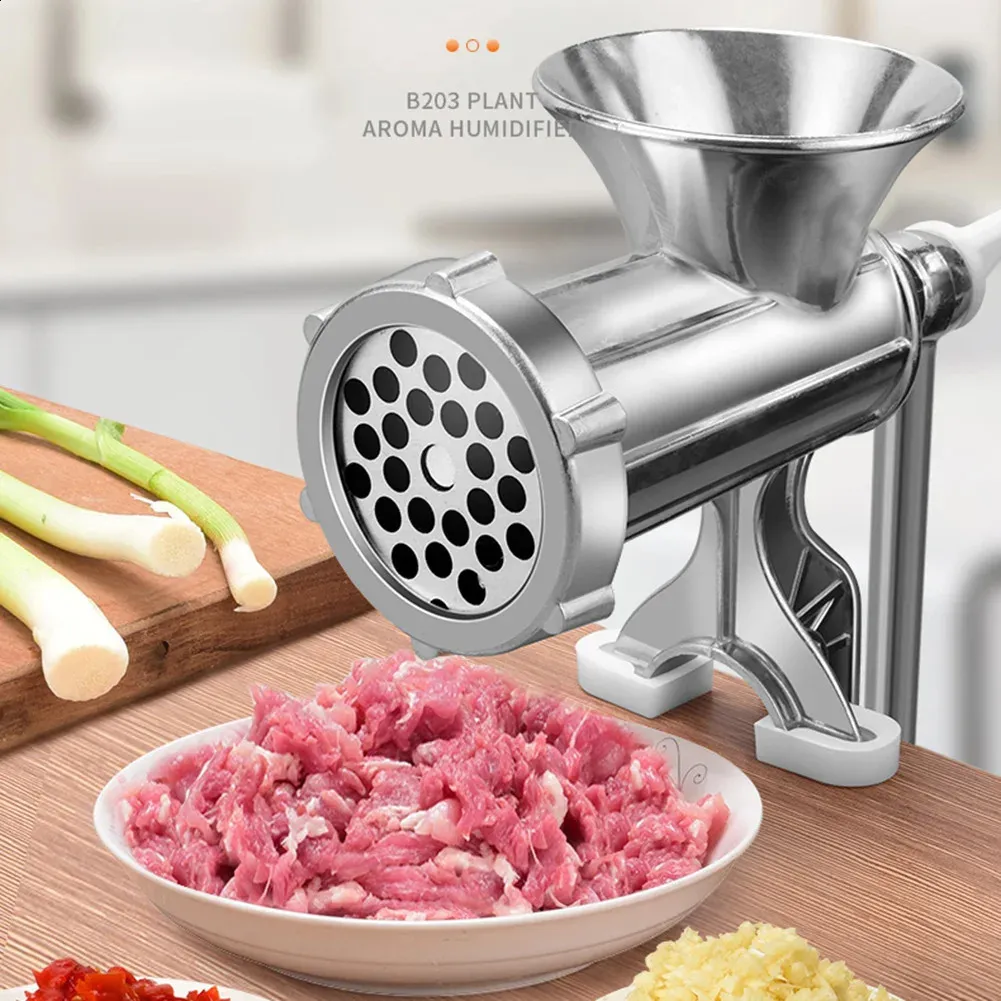
You’ll typically use a coarse grinding plate for this, one with larger holes (say, 6mm to 10mm). The goal here isn’t to create a finished product, but to set the stage for what comes next.
Why is the First Grind So Important?
The first grind is crucial for a few key reasons:
- Initial Sizing: It breaks down tough muscle fibers and connective tissue, making the meat easier to handle and season.
- Fat Distribution: It begins the process of distributing the fat evenly throughout the lean meat, which is vital for flavor and moisture.
- Preserving Texture: A single coarse grind is perfect for recipes where you want a chunkier, more rustic texture. Think hearty chili con carne or a rustic Italian sausage where you want to see and feel distinct bits of meat and fat.
I remember the first time I made chili using a single coarse grind from my own meat grinder. The difference was night and day compared to the mushy, pre-packaged stuff. Each spoonful had a substantial, satisfying chew—it felt like a completely different dish.
Demystifying the Second Grind: The Refinement
If the first grind is the foundation, the second grind is the fine-tuning. This is where the magic of texture refinement happens. After the initial coarse grind, you switch to a fine grinding plate (usually 3mm to 4.5mm) and run the meat through the grinder a second time.
Expert Tip from Chef David Wilson: “The biggest mistake amateurs make is not re-chilling the meat between the first and second grind. Warm fat smears, it doesn’t grind. A 30-minute trip back to the freezer for your meat and your grinder components is non-negotiable for a perfect emulsion.”
The second grind takes the coarsely ground meat and processes it further, creating a much finer, more homogenous mixture. The fat particles become smaller and more intimately blended with the lean protein. This process is the key to creating an emulsion.
What is the Purpose of a Second Grind?
You wouldn’t use a second grind for everything, but for certain applications, it’s essential:
- Creating an Emulsion: This is a stable mixture of fat, water, and protein. For sausages like frankfurters or bologna, a second (or even third) grind is what creates that uniform, springy texture and classic “snap.”
- Tenderizing: The second pass further breaks down any remaining connective tissue, resulting in a more tender final product.
- Binding: The finer texture helps the meat bind together beautifully. This is a game-changer for burger patties that hold their shape and for meatballs that are tender, not tough.
When Do You Actually Need to Do a First and Second Grind?
This is the million-dollar question. You don’t always need to double-grind. Understanding what is the first grind and second grind is about knowing when to apply the technique. Here’s a simple breakdown:
For Perfect Sausages
If you’re making emulsified sausages like hot dogs, bratwurst, or any fine-textured sausage, a second grind is a must. The first coarse grind breaks everything down and allows you to mix in your seasonings and cure. The second fine grind creates the smooth paste that stuffs into casings and cooks up with that perfect, uniform interior. For rustic sausages like a Chorizo or Italian, you might stick with a single coarse grind.
For Better Burger Patties
This is where personal preference comes in, but many burger aficionados swear by the double grind.
- First Grind (Coarse): Pass your blend of chuck, brisket, or short rib through a coarse plate. This gives you a great base.
- Second Grind (Medium/Fine): Running it through a second time with a slightly smaller plate (like a 4.5mm) helps bind the patty without making it mushy. The result? A juicy burger that holds together on the grill but has a wonderfully tender, non-compacted bite.
For Silky Smooth Pâtés and Terrines
For any kind of forcemeat, like a classic French pâté, a second grind is absolutely essential. It’s the only way to achieve that silky, spreadable texture that defines the dish. The process breaks the ingredients down so finely that they emulsify into a perfectly smooth, rich mixture.
The Step-by-Step Guide to a Perfect Double Grind
Ready to try it yourself? Follow these steps, and don’t skip the chilling. Seriously.
- Prep and Chill (The Golden Rule): Cut your meat and fat into 1-inch cubes. Spread them on a baking sheet and place them in the freezer for 15-20 minutes. You want them very firm, but not frozen solid. While you’re at it, put your grinder’s head, auger, blade, and grinding plate in the freezer too. Cold equipment is just as important as cold meat.
- Assemble for the First Grind: Assemble your grinder with the coarse grinding plate. Make sure the blade is seated correctly (flat side against the plate).
- Perform the First Grind: Place a chilled bowl under the grinder’s output. Turn the machine on and gently feed the chilled meat cubes into the hopper. Don’t force them; let the auger do the work. You should have a bowl of coarsely ground meat.
- The Second Chill: This is the step Chef Wilson mentioned. Spread the coarsely ground meat back onto the baking sheet and return it to the freezer for another 15-30 minutes. This is also the perfect time to add your seasonings if your recipe calls for it, as it allows the flavors to meld.
- Reassemble for the Second Grind: While the meat is chilling, disassemble and quickly clean your grinder parts (or use a second, pre-chilled set if you have one). Reassemble it with the fine grinding plate.
- Perform the Second Grind: Place another chilled bowl underneath. Feed the seasoned, re-chilled coarse grind through the machine a second time. You’ll notice the texture is immediately finer and more paste-like.
- Final Mix (If Needed): For sausages or burgers, you might give the final mixture a quick mix with a paddle attachment or by hand to ensure everything is perfectly combined and a little “tacky,” which aids in binding.
Following this process will give you professional-grade results every time. It’s the core technique behind so many delicious foods, and once you master it, you’ll have a deeper understanding of what is the first grind and second grind truly accomplishes. For a deeper dive into grinders that can handle this task, check out [our complete guide to choosing a meat grinder].
Frequently Asked Questions (FAQ)
Q: Can I just do one fine grind instead of a first and second grind?
A: You can, but it’s not recommended for most machines. Forcing large chunks of meat through a small-holed fine plate can put immense strain on your grinder’s motor, leading to overheating and potential damage. It can also cause the fat to “smear,” resulting in a greasy, poor texture.
Q: Do I need to clean the grinder between the first and second grind?
A: You don’t need to do a deep clean with soap and water. However, it’s good practice to quickly disassemble and wipe away any large pieces of meat or sinew that may have gotten caught. The most important thing is to ensure all components stay cold.
Q: What’s the real difference between a coarse and fine grind texture?
A: A coarse grind has a crumbly, chunky texture, ideal for chili or rustic sausage. A fine grind is much smoother and more paste-like, perfect for hot dogs, pâté, and burgers that bind well. The difference is immediately visible and palpable.
Q: Can you triple grind meat?
A: Yes, absolutely. For ultra-fine emulsions like some types of German wurst or bologna, a third grind is common. You simply repeat the process: grind coarse, chill, grind medium, chill, and finally, grind fine.
Q: Why is my meat smearing during the second grind?
A: Smearing is almost always caused by heat. Either your meat wasn’t cold enough, your equipment was warm, or both. The fat melts instead of being cut, creating a greasy paste. The only solution is to stop, chill everything down completely, and then resume.
The Takeaway: Control is Everything
Mastering the difference between the first grind and second grind is about taking control of your food. It’s the key that unlocks textures you simply can’t buy in a supermarket package. From the perfect crumble in your bolognese to the satisfying snap of a homemade bratwurst, this two-step technique elevates your cooking. Now that you know not just what what is the first grind and second grind is, but why and how to do it, you’re ready to unlock a new level of culinary creativity. So grab your grinder, get that meat chilling, and start experimenting. We encourage you to explore [our top-rated meat grinders for home use] and share your grinding successes with our community.