Few things are as alarming in the kitchen as the sudden, acrid smell of burning. When this odor emanates from your meat grinder, it immediately signals a problem with its motor, demanding your attention. A burning smell, whether electrical, plastic-like, or smoky, indicates that internal components are overheating or failing, and addressing it promptly is crucial for both safety and the longevity of your appliance. This comprehensive guide, informed by years of experience with these essential kitchen tools, will walk you through the common culprits behind a burning smell, immediate safety measures, detailed troubleshooting steps, and preventative maintenance to keep your meat grinder running smoothly and safely.
Understanding the Burning Smell: Common Causes in Your Meat Grinder
The distinct aroma of something burning from your meat grinder’s motor is a clear indicator that something is amiss internally. Identifying the source is the first step toward a solution.
- Motor Overload and Overheating: One of the most frequent causes is pushing your grinder beyond its capacity or running it for too long. Overloading the machine with too much meat, especially tough or partially frozen cuts, forces the motor to work harder, generating excessive heat. Insufficient cooling due to blocked ventilation can also lead to overheating, causing the motor’s internal components, including insulation varnish, to heat up and emit a pungent odor. [cite: 1, 2, 1 (from first search), 2 (from second search)]
- Electrical Faults: An electrical burning smell often points to issues within the motor’s electrical system. This could range from frayed or damaged wiring to a faulty capacitor or even a short circuit. Low starting voltage can also cause the motor to strain and overheat during startup. These issues can melt plastic components or insulation, releasing a distinct electrical scent. [cite: 1, 3 (from first search), 3 (from second search)]
- Worn or Damaged Components: Over time, mechanical parts within the grinder can wear out. This includes the carbon brushes (if present in your motor type), bearings, or plastic couplings/gears. Worn bearings create friction, leading to heat and a burning smell. Similarly, deteriorating plastic coupling parts can strain the motor as they fail to transmit power efficiently, causing the motor to work harder and overheat. [cite: 1, 2, 4 (from first search)]
- Blockages and Friction: A common mechanical issue is a blockage in the grinding mechanism. If hard substances like bone fragments or gristle get stuck, or if too much meat is fed too quickly, the auger and grinding plates can jam. This puts immense strain on the motor, causing it to overheat rapidly and potentially emit a burning smell. [cite: 1 (from first search), 3 (from third search)] Dull blades also force the motor to exert more effort, contributing to overheating. [cite: 4 (from first search)]
- Contaminants and Debris: Dust, grease, or small food particles can accumulate inside the motor housing or on heated components. When the motor heats up, these contaminants can burn, producing an unpleasant smell. This is often more of a dusty, “cooking” smell rather than a sharp electrical or plastic odor. [cite: 2 (from second search)]
|
Our Picks for the Best Meat grinder in 2026
As an Amazon Associate I earn from qualifying purchases.
|
||
| Num | Product | Action |
|---|---|---|
| 1 | LEM Products BigBite #8 Meat Grinder, 0.50 HP Stainless Steel Electric Meat Grinder Machine, Ideal for Regular Use |

|
| 2 | Electric Meat Grinder, Sausage Stuffer with 3 Sausage Tubes, 2 Blades, 3 Plates, 3200W Max, Meat Grinder Heavy Duty for Home Kitchen Use, Stainless Steel (Black) |
|
| 3 | CHEFFANO Electric Meat Grinder, [2000W Max] Heavy Duty Meat Mincer with 2 Blades, 3 Plates, Sausage Tube & Kubbe Kit for Home Kitchen Use |
|
| 4 | Meat Grinder Manual Mincer 2-in-1 Manual Meat Grinder Sausage Maker Table Mount Pork Mincer Sausage Stuffer Funnel Make Homemade Burger Patties Hand Operated Kitchen Tool FQ |
|
| 5 | KitchenAid Stand Mixer Attachment, Food Grinder KSMMGA, Metal Food Grinder |
|
| 6 | CHEFFANO Meat Grinder, 2600W Max Stainless Steel Meat Grinder Electric, ETL Approved Heavy Duty Meat Mincer Machine with 2 Blades, 3 Plates, Sausage Stuffer Tube & Kubbe Kit for Home Kitchen Use |
|
| 7 | Oaomi 3200W Max Electric Meat Grinder & Sausage Stuffer - Mincer Machine with Tool 2 Blade And 3 Plates, 3 Tubes & Kubbe Kit Tool for Home Kitchen Use(Black) |
|
| 8 | GANIZA Food Processors, Electric Food Chopper with Meat Grinder & Vegetable Chopper - 2 Bowls (8 Cup+8 Cup) with Powerful 450W Copper Motor - Includes 2 Sets of Bi-Level Blades for Fruits/Meat/Nuts |
|
| 9 | Meat Grinder, Sausage Stuffer, [2800W Max] Electric Meat Mincer with Stainless Steel Blades & 3 Grinding Plates,Sausage Maker & Kubbe Kit for Home Kitchen & Commercial Using |
|
| 10 | Meat Chopper, Hamburger Grinder, Premium Heat Resistant Smasher for Ground Beef, Burger Grinder Nylon Potato Mix Tool, Meat & Poultry Tenderizers-Black |
|
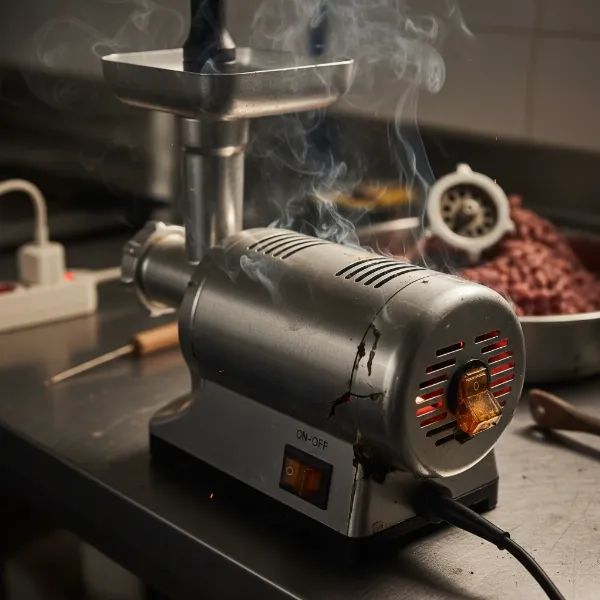 Close-up of a meat grinder motor overheating with smoke, indicating an electrical fault.
“A burning smell from an electric motor is rarely benign. It’s often the motor’s way of telling you it’s under stress, and ignoring it can lead to irreparable damage or even a fire hazard.”
Immediate Action: What to Do When You Smell Burning from Your Meat Grinder
Safety is paramount when dealing with electrical appliances, especially when a burning smell is present. Your immediate response can prevent further damage or potential hazards.
- Safety First: Unplug and Disconnect: The very first thing you must do is turn off the meat grinder and immediately unplug it from the power outlet. This cuts off the electrical supply, stopping any active electrical faults or further motor strain. Do not attempt to inspect or touch the appliance while it is still plugged in. [cite: 1, 2 (from first search), 1 (from third search)]
- Allow to Cool: After unplugging, give the meat grinder ample time to cool down completely. The motor and internal components can be extremely hot and may cause burns. Waiting at least 30-45 minutes is advisable before proceeding with any inspection. [cite: 2 (from first search), 2 (from third search)]
- Assess the Situation: While the machine cools, ventilate your kitchen to disperse the smell. Once cooled, you can begin a careful visual and auditory assessment without touching any internal components yet. Look for any visible smoke, melted plastic, or obvious signs of damage around the motor housing or power cord.
Step-by-Step Troubleshooting for Your Meat Grinder Motor
Once the grinder is safely unplugged and cooled, you can begin a more detailed inspection to pinpoint the source of the burning smell.
- Check for Overload or Obstructions:
- Meat Condition: Was the meat you were grinding too tough, frozen, or contained bones? Ensure all meat is properly thawed and cut into manageable pieces to avoid stressing the motor. [cite: 4 (from third search)]
- Quantity: Were you processing too much meat at once? Overfilling the hopper can lead to jams. Try grinding in smaller batches.
- Internal Blockage: Carefully disassemble the grinding head (auger, blade, plates). Look for any stubborn bits of meat, gristle, or bone stuck within the components or deep in the throat of the grinder that could have caused excessive friction. [cite: 3 (from third search)] Clean thoroughly before reassembling.
- Inspect Ventilation:
- Examine the air vents on the motor housing. These vents are crucial for cooling the motor. Ensure they are not blocked by dust, food particles, or other debris. Use a soft brush or a vacuum cleaner with a brush attachment to gently clear any obstructions. [cite: 1 (from first search), 3 (from second search)]
- Examine Internal Components (with caution):
- Blades and Plates: Are the grinding blade and plates dull or worn? Dull blades make the motor work harder. Consider replacing them if they show significant wear.
- Auger Stud: Check the auger stud (the part on the auger where the plate and knife sit) for wear. A worn stud can cause parts to bounce, leading to friction and strain. [cite: 3 (from third search)]
- Carbon Brushes (if applicable): Some universal motors use carbon brushes. If accessible, inspect them for wear. Worn brushes can cause sparking and inconsistent motor operation, leading to overheating. This may require professional intervention.
- Couplings/Gears: If your grinder has plastic couplings or gears that connect the motor to the auger, inspect them for signs of melting, cracking, or stripping. Damaged couplings can cause significant strain on the motor.
- Look for Visible Electrical Damage:
- Carefully inspect the power cord for any cuts, fraying, or melted insulation.
- Inside the motor housing (only if you are confident and knowledgeable about electrical components, otherwise seek professional help), look for any burnt wires, scorched areas, or melted plastic. A burning smell that is distinctly electrical and persistent often indicates a wiring issue or a failing internal electrical component. [cite: 3 (from second search)]
Preventing Future Burning Smells: Maintenance and Best Practices
A little preventative care goes a long way in ensuring your meat grinder functions optimally and safely, avoiding those alarming burning smells.
- Proper Usage Habits:
- Avoid Overloading: Never force too much meat into the grinder at once. Feed it gradually.
- Prepare Meat Properly: Always ensure meat is thoroughly thawed, trimmed of excessive fat and sinew, and cut into small, consistent pieces before grinding. Avoid grinding bones or extremely hard ingredients, as these can damage the auger, blades, and motor. [cite: 4 (from third search)]
- Respect Run Times: Adhere to the manufacturer’s recommended continuous run time. Many household grinders are not designed for prolonged, continuous operation and need breaks to cool down. [cite: 3 (from third search)]
- Regular Cleaning:
- After Every Use: Disassemble and clean all removable parts (hopper, auger, blade, plates, locking ring) immediately after each use with hot soapy water. Pay extra attention to removing all meat residue, fat, and oils, as these can harbor bacteria and cause blockages or odors if left to dry. [cite: 1, 2, 4, 5 (from third search)]
- Thorough Drying: Ensure all parts are completely dry before reassembling or storing to prevent rust and maintain hygiene. [cite: 1, 4 (from third search)]
- Motor Housing: Wipe down the exterior of the motor housing with a damp cloth, but never immerse the motor or electrical components in water. [cite: 1 (from third search)]
- Lubrication:
- Periodically apply food-grade lubricant to the moving metal parts, such as the grinding plate and knife, especially after thorough cleaning and before each use. This reduces friction, ensures smooth operation, and helps prevent rust. [cite: 1, 2, 4, 5 (from third search)]
- Proper Storage:
- Store your meat grinder in a dry, clean place, ideally in its original packaging or a dedicated storage case, to protect it from dust and moisture. [cite: 1, 4 (from third search)]
- Regular Inspections:
- Periodically check the blade and grinding plates for dullness or signs of wear and replace them if necessary. Ensure all screws and fastenings are tight. [cite: 5 (from third search)]
 Hands cleaning and lubricating disassembled parts of a meat grinder for maintenance.
When to Seek Professional Help or Consider Replacement
While many minor issues can be resolved with DIY troubleshooting, certain situations warrant professional attention or even a replacement.
- Persistent or Severe Symptoms: If the burning smell recurs despite your troubleshooting efforts, or if it’s accompanied by smoke, sparks, visible flames, or loud grinding noises, stop using the machine immediately. These are serious indicators of internal failure that could pose a fire hazard. [cite: 5 (from first search)]
- Visible Component Damage: If you observe clear signs of melted plastic, burnt wires, significant motor component damage, or if the motor itself feels excessively hot to the touch even after short periods of use, it’s time to consult an expert.
- Electrical Concerns: If you suspect an electrical fault but lack the expertise to safely inspect and repair it, do not attempt to fix it yourself. Working with electrical components can be dangerous. A qualified appliance technician can diagnose and safely repair electrical issues. [cite: 3 (from second search)]
- Age and Cost of Repair: For older grinders, or if the required repair is extensive (e.g., motor replacement, bearing overhaul), weigh the cost of repair against the cost of a new, more efficient model. Sometimes, replacing an aging appliance is more economical and safer than repeated repairs. [cite: 5 (from second search)]
- Safety First: When in doubt about the safety of your appliance, err on the side of caution. An improperly functioning meat grinder can be a serious safety risk in your kitchen.
Conclusion
Encountering a burning smell from your meat grinder motor can be disconcerting, but understanding its potential causes and knowing how to respond is key to safeguarding your appliance and your home. From simple overloads to more complex electrical or mechanical failures, diligent troubleshooting and consistent maintenance can often resolve the issue. By following safe operating procedures, performing regular cleaning, and knowing when to call in a professional, you can ensure your meat grinder remains a reliable and safe tool in your culinary arsenal for years to come. What preventative maintenance habit do you find most effective in keeping your meat grinder in top condition?
Frequently Asked Questions
What does an electrical burning smell from a meat grinder indicate?
An electrical burning smell typically indicates an issue with the motor’s electrical components, such as wiring, insulation, or a capacitor. It suggests overheating due to an electrical short, overload, or component failure and requires immediate attention to prevent fire hazards or further damage.
Can overloading a meat grinder cause a burning smell?
Yes, absolutely. Overloading your meat grinder with too much meat, especially tough or partially frozen cuts, forces the motor to work beyond its capacity. This strenuous effort generates excessive heat, leading to motor overheating and the emission of a burning odor.
Is it normal for a new meat grinder to smell like burning?
A very slight, temporary “new electronics” or “hot plastic” smell can sometimes occur with new appliances during their first few uses as internal components “break-in.” However, a strong or persistent burning smell, or any smoke, is not normal and should be addressed immediately by unplugging the unit and contacting the manufacturer.
How can I prevent my meat grinder motor from overheating?
To prevent overheating, avoid overloading the grinder, ensure meat is properly thawed and cut, operate in shorter bursts with cool-down periods, and keep the motor’s ventilation openings clear of dust and debris. Regular cleaning and proper lubrication also reduce strain on the motor.
When should I replace the carbon brushes in my meat grinder?
If your meat grinder uses carbon brushes and you experience symptoms like a burning smell, reduced power, excessive sparking, or intermittent operation, it may be time to inspect or replace them. Worn brushes can’t make proper contact, causing arcing and motor strain. Consult your grinder’s manual or a technician for guidance on brush replacement.
Can a blocked meat grinder cause a motor burning smell?
Yes, a blockage in the grinding head, caused by stuck meat, gristle, or bone fragments, can put immense strain on the motor. The motor will struggle to turn the auger, leading to rapid overheating and a burning smell as it works harder to overcome the obstruction.
What kind of lubricant should I use for my meat grinder?
You should only use food-grade lubricant or mineral oil on the moving parts of your meat grinder, such as the grinding plate and knife. This type of lubricant is safe for contact with food and helps reduce friction, prevent rust, and ensure smooth operation of the mechanical components.