Are you a culinary enthusiast eager to elevate your homemade ground meat dishes? Or perhaps a seasoned pro looking to refine your technique? The secret to perfect ground meat, whether for a juicy burger, a succulent sausage, or a hearty chili, often lies in one crucial component: the grinding plate. Understanding the nuances of fine, medium, and coarse meat grinder plates can transform your kitchen creations, ensuring the ideal texture and consistency for every recipe.
This comprehensive guide will demystify the world of meat grinder plates, helping you choose the right size for your specific culinary ambitions. We will explore the characteristics of each plate type, their ideal applications, and essential tips for optimal grinding results.
Understanding Meat Grinder Plates: The Basics
Meat grinder plates are disc-shaped accessories with various-sized holes that dictate the fineness or coarseness of your ground meat. Positioned at the end of the grinder’s auger, these plates work in conjunction with a rotating knife to cut and push meat through the designated openings. The diameter of these holes is the primary factor determining the final texture, influencing everything from the mouthfeel of a pâté to the bite of a robust chili.
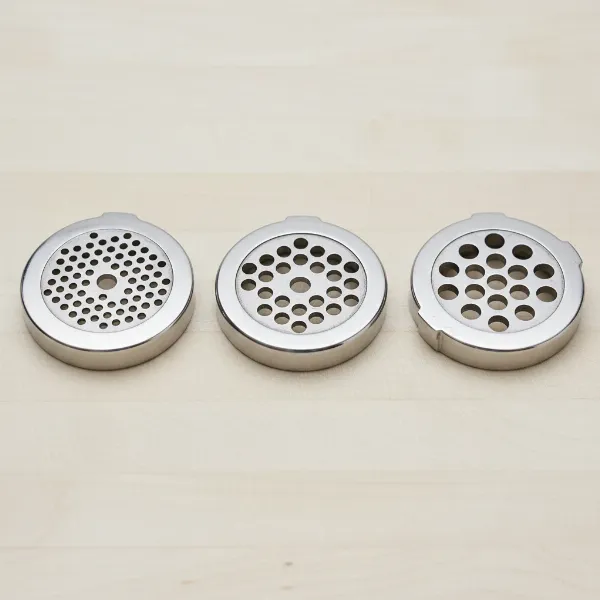 Different sizes of meat grinder plates, showing fine, medium, and coarse hole diameters.
Why does hole size matter so much? Different recipes demand different textures. A hot dog requires a silky smooth consistency, while a homemade Italian sausage benefits from a more discernible chew. Choosing the correct plate ensures your ingredients are processed to perfection, enhancing both the flavor and overall experience of your dish.
Types of Grinding Plates Explained
Meat grinder plates are generally categorized into three main types: fine, medium, and coarse. Each serves a distinct purpose, offering unique textures for a wide range of recipes.
Fine Grind Plates
Fine grind plates feature the smallest holes, typically ranging from 2mm to 4mm (1/8″ to 5/32″) in diameter. They produce a very smooth, uniform, and dense texture, similar to a paste or a very finely minced consistency.
- Ideal Uses:
- Pâtés and Terrines: Essential for their delicate, spreadable texture.
- Hot Dogs and Bologna: Creates the smooth, emulsified consistency characteristic of these processed meats.
- Baby Food: Ensures a safe, easily digestible texture.
- Hamburger: For an exceptionally lean and consistent hamburger that binds tightly.
- Fine Sausages: Certain specialty sausages require a very fine grind for a uniform appearance and texture.
- Characteristics: While yielding a highly consistent product, fine grinding can be slower and may generate more friction, potentially warming the meat if not handled correctly. This grind is excellent for breaking down tougher fibers more effectively.
|
Our Picks for the Best Meat grinder in 2026
As an Amazon Associate I earn from qualifying purchases.
|
||
| Num | Product | Action |
|---|---|---|
| 1 | CHEFFANO Electric Meat Grinder, [2000W Max] Heavy Duty Meat Mincer with 2 Blades, 3 Plates, Sausage Tube & Kubbe Kit for Home Kitchen Use |
![Check CHEFFANO Electric Meat Grinder, [2000W Max] Heavy Duty Meat Mincer with 2 Blades, 3 Plates, Sausage Tube & Kubbe Kit for Home Kitchen Use on Amazon](https://meatgrinderpro.com/wp-content/plugins/amazon-tables/assets/images/buy.png)
|
| 2 | Oaomi 3200W Max Electric Meat Grinder & Sausage Stuffer - Mincer Machine with Tool 2 Blade And 3 Plates, 3 Tubes & Kubbe Kit Tool for Home Kitchen Use(Black) |
|
| 3 | GANIZA Food Processors, Electric Food Chopper with Meat Grinder & Vegetable Chopper - 2 Bowls (8 Cup+8 Cup) with Powerful 450W Copper Motor - Includes 2 Sets of Bi-Level Blades for Fruits/Meat/Nuts |
|
| 4 | Meat Grinder Manual Mincer 2-in-1 Manual Meat Grinder Sausage Maker Table Mount Pork Mincer Sausage Stuffer Funnel Make Homemade Burger Patties Hand Operated Kitchen Tool FQ |
|
| 5 | Meat Grinder, Sausage Stuffer, [2800W Max] Electric Meat Mincer with Stainless Steel Blades & 3 Grinding Plates,Sausage Maker & Kubbe Kit for Home Kitchen & Commercial Using |
|
| 6 | KitchenAid Stand Mixer Attachment, Food Grinder KSMMGA, Metal Food Grinder |
|
| 7 | LEM Products BigBite #8 Meat Grinder, 0.50 HP Stainless Steel Electric Meat Grinder Machine, Ideal for Regular Use |
|
| 8 | CHEFFANO Meat Grinder, 2600W Max Stainless Steel Meat Grinder Electric, ETL Approved Heavy Duty Meat Mincer Machine with 2 Blades, 3 Plates, Sausage Stuffer Tube & Kubbe Kit for Home Kitchen Use |
|
| 9 | Electric Meat Grinder, Sausage Stuffer with 3 Sausage Tubes, 2 Blades, 3 Plates, 3200W Max, Meat Grinder Heavy Duty for Home Kitchen Use, Stainless Steel (Black) |
|
| 10 | Meat Chopper, Hamburger Grinder, Premium Heat Resistant Smasher for Ground Beef, Burger Grinder Nylon Potato Mix Tool, Meat & Poultry Tenderizers-Black |
|
Medium Grind Plates
Medium grind plates are the workhorses of most kitchens, offering versatile hole sizes usually between 4.5mm to 6mm (3/16″ to 1/4″). They strike a balance between fine and coarse, producing a texture that is neither too smooth nor too chunky, making them suitable for everyday grinding tasks.
- Ideal Uses:
- Meatballs and Meatloaf: Provides the perfect consistency for binding ingredients while maintaining some meat texture.
- General Ground Beef: Excellent for tacos, pasta sauces, shepherd’s pie, and other dishes where a balanced texture is desired.
- Most Sausages: A popular choice for a wide variety of fresh sausages, offering a pleasant bite and even distribution of fat and seasonings.
- Breakfast Sausage: Creates the classic texture for breakfast patties or links.
- Characteristics: Medium plates are highly adaptable, making them a go-to choice for home cooks and professionals alike. They offer a good processing speed and maintain the meat’s juiciness and flavor well.
Coarse Grind Plates
Coarse grind plates have the largest holes, typically ranging from 6mm to 12mm (1/4″ to 1/2″) and larger. These plates produce a distinctly chunky, rustic texture, allowing for larger pieces of meat to remain intact.
- Ideal Uses:
- Chili Meat: Essential for the robust texture that stands up to slow cooking.
- Stew Meat: Prepares meat with a hearty, toothsome quality for long braises.
- Rustic Sausages: Ideal for specific sausage types like certain Italian or breakfast sausages where a more pronounced meat texture is desired.
- Artisanal Burgers: Creates a looser, more natural burger texture with a satisfying bite.
- Jerky: For preparing meat in strips or chunks before seasoning and drying.
- Characteristics: Coarse plates offer the fastest grinding speed and minimize heat generation due to less friction. They are excellent for recipes where the texture of the meat is a key feature and for dishes that benefit from larger, more substantial pieces.
Choosing the Right Grinding Plate for Your Needs
Selecting the appropriate grinding plate is crucial for achieving your desired culinary outcome. It’s not just about the size of the holes; it’s about matching the plate to your recipe and technique.
Consider Your Culinary Goals
Before you even turn on your grinder, think about the end product.
- For a delicate pâté, a fine plate is non-negotiable.
- For robust chili, a coarse plate will deliver the authentic texture you seek.
- For everyday ground beef, a versatile medium plate is often the best choice.
Many experienced cooks and butchers employ a technique called “double grinding.” This involves first grinding the meat through a coarse plate, then passing it through a finer plate (medium or fine). This method can help break down connective tissues more thoroughly, create a better bind for sausages, and achieve a more consistent texture, especially when starting with tougher cuts. For instance, grinding once through a 8mm or 10mm plate followed by a 4.5mm plate can create a nice medium-coarse sausage.
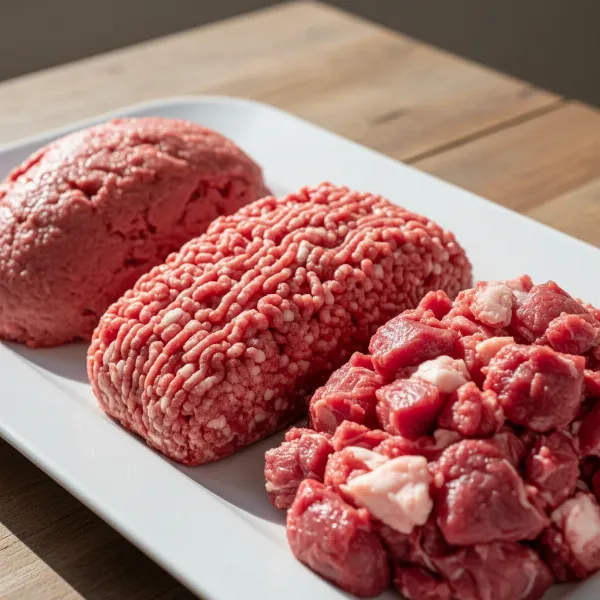 Comparison of three ground meat textures: fine, medium, and coarse, showcasing different consistencies.
Material and Durability
The material of your grinding plates impacts their longevity and performance.
- Stainless Steel: Highly recommended for its durability, resistance to rust and corrosion, and ease of cleaning. Stainless steel plates maintain their sharpness longer and are ideal for frequent use.
- Carbon Steel: Can be very sharp but is prone to rust if not properly maintained and dried immediately after washing.
Thicker plates generally last longer and can withstand more rigorous use, especially when grinding tougher cuts of meat.
Compatibility with Your Grinder
Ensure that any replacement or additional grinding plates are compatible with your specific meat grinder model. Plates come in various diameters to fit different grinder sizes (e.g., #5, #8, #12, #22 grinders), and an ill-fitting plate can lead to poor performance or damage.
Maintenance and Replacement
Grinding plates, like any cutting tool, will dull over time with use. Dull plates can smash rather than cut the meat, leading to a mushy texture and increased friction. For optimal performance, grinding plates should be kept sharp and replaced periodically. It’s often recommended to replace the grinding plate and the cutting knife simultaneously, as they wear together. Proper cleaning and drying after each use are also essential to prevent rust and maintain hygiene.
Comparison Table: Grinding Plate Sizes and Their Applications
| Plate Type | Hole Size Range (approx.) | Common Uses | Texture |
|---|---|---|---|
| Fine | 2mm – 4mm (1/8″ – 5/32″) | Pâtés, hot dogs, bologna, baby food, fine hamburger, specialty sausages | Very smooth, emulsified, uniform, dense |
| Medium | 4.5mm – 6mm (3/16″ – 1/4″) | Meatballs, meatloaf, general ground beef, most fresh sausages | Balanced, versatile, some discernible texture |
| Coarse | 6mm – 12mm+ (1/4″ – 1/2″+) | Chili meat, stew meat, rustic sausages, chunky burgers, jerky | Chunky, rustic, hearty, substantial pieces |
Tips for Optimal Grinding
Achieving the perfect grind isn’t solely about the plate; a few best practices can significantly enhance your results.
- Chill Your Meat: Always grind meat that is well-chilled, ideally between 32°F and 40°F (0°C to 4°C). Chilled meat and fat hold their shape better, resulting in a cleaner cut and preventing smearing. You can even partially freeze your meat and grinder parts (plates, knives, auger) for 30-60 minutes before grinding.
- Use Sharp Tools: Ensure your cutting knife and grinding plate are sharp and in good condition. A dull knife and plate will tear and mash the meat, leading to an undesirable texture.
- Cut Meat into Manageable Pieces: Cut meat and fat into strips or cubes that fit easily into your grinder’s hopper without forcing. This allows for smooth feeding and prevents clogging.
- Keep it Clean: Disassemble and thoroughly clean all grinder components immediately after use. This prevents bacterial growth and keeps your equipment in top condition. Dry all parts completely to prevent rust, especially for carbon steel plates.
Conclusion
The humble grinding plate is a powerful tool in your culinary arsenal, offering the ability to precisely control the texture of your ground meats. By understanding the distinct characteristics and applications of fine, medium, and coarse plates, you unlock a world of possibilities, from delicate pâtés to robust chili. Whether you’re a home cook experimenting with new recipes or a seasoned professional crafting signature dishes, choosing the right meat grinder plate is an essential step towards achieving exceptional results.
Ready to perfect your grind? Experiment with different plate sizes and discover how each can elevate your favorite recipes. What’s your go-to plate size for your signature dish?
Frequently Asked Questions
What is the most versatile meat grinder plate size?
The medium grind plate, typically with 4.5mm to 6mm (3/16″ to 1/4″) holes, is considered the most versatile. It offers a balanced texture suitable for a wide range of applications, including meatballs, meatloaf, and most types of fresh sausages, making it an excellent all-around choice for many home cooks.
Can I use a fine plate for chili?
While you technically can, it’s generally not recommended for chili. A fine plate will produce a very smooth, almost paste-like texture, which would result in a less satisfying mouthfeel for a dish traditionally known for its chunky, hearty meat consistency. A coarse grind plate (6mm to 12mm+) is much better suited for chili.
How often should I replace my meat grinder plates and knife?
The frequency of replacement depends on how often you use your grinder and the type of meat you process. However, it’s a good practice to inspect your plates and knife regularly for dullness or wear. For optimal performance and food safety, many experts recommend replacing them together annually or when you notice a decline in grinding efficiency or meat quality.
What is double grinding and when should I use it?
Double grinding involves processing meat through a grinder twice. You typically start with a coarser plate (e.g., 6mm or 8mm) for the first pass, then follow with a finer plate (e.g., 3mm or 4.5mm) for the second pass. This technique is often used to achieve a finer, more emulsified texture, improve the bind in sausages, or thoroughly break down connective tissue in tougher cuts of meat.
Does the material of the grinding plate matter?
Yes, the material of the grinding plate matters significantly for durability and performance. Stainless steel plates are highly recommended due to their resistance to rust, corrosion, and ability to maintain sharpness. Carbon steel plates can be sharp but require meticulous care to prevent rusting. Thicker plates also tend to last longer.