There’s a secret ingredient to truly exceptional homemade dumplings and wontons, and it’s not some rare spice or exotic sauce. It’s the ground pork itself. While store-bought options are convenient, preparing your own ground pork at home allows you to control the quality, fat content, and most importantly, the texture, elevating your Asian cuisine from good to truly unforgettable. Imagine biting into a juicy, flavorful dumpling with a perfectly tender filling – that experience begins long before the wrapping. This guide will take you through every step, ensuring your ground pork is ideal for your next batch of culinary masterpieces.
Choosing the Right Cut: The Foundation of Flavor
The journey to perfect ground pork starts with selecting the right cut of meat. The ideal choice isn’t just about lean muscle; it’s about achieving a balance of meat and fat that renders your dumplings and wontons incredibly juicy and flavorful.
- Pork Shoulder (Boston Butt): This cut is hands down the champion for dumpling and wonton fillings. It naturally boasts an excellent fat-to-meat ratio, often around 80% lean to 20% fat, which is crucial for a tender and succulent result. The fat melts during cooking, infusing the filling with richness and preventing it from becoming dry or crumbly.
- Pork Belly or Neck End: For those who desire an even richer, more decadent filling, incorporating some pork belly or pork neck end can be a game-changer. These cuts offer a higher fat content, contributing to an unctuous mouthfeel and deeper flavor. If your primary cut is on the leaner side, adding a portion of pork belly can help achieve that desirable 80/20 lean-to-fat ratio.
- Why Avoid Lean Cuts: While healthy in other contexts, lean cuts like pork loin or pork chop should be sidestepped for dumplings and wontons. They lack the necessary fat, leading to dry, tough, and less flavorful fillings that simply won’t live up to expectations.
Remember, the fat is key to a juicy and delicious filling, so don’t shy away from cuts with visible marbling.
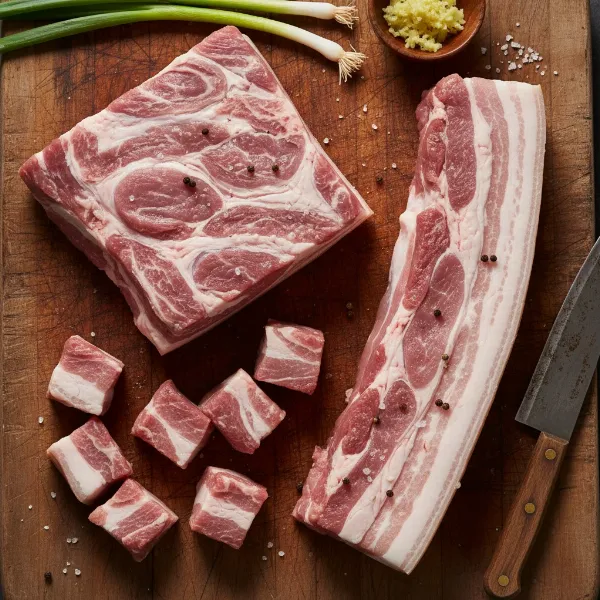 Different cuts of pork suitable for dumplings and wontons, showing marbling and fat content.
Tools of the Trade: How to Grind Pork at Home
Once you’ve chosen your prime cut of pork, the next step is to transform it into the perfect ground texture. You have several effective methods at your disposal, each offering a slightly different result and level of convenience.
The Dedicated Meat Grinder
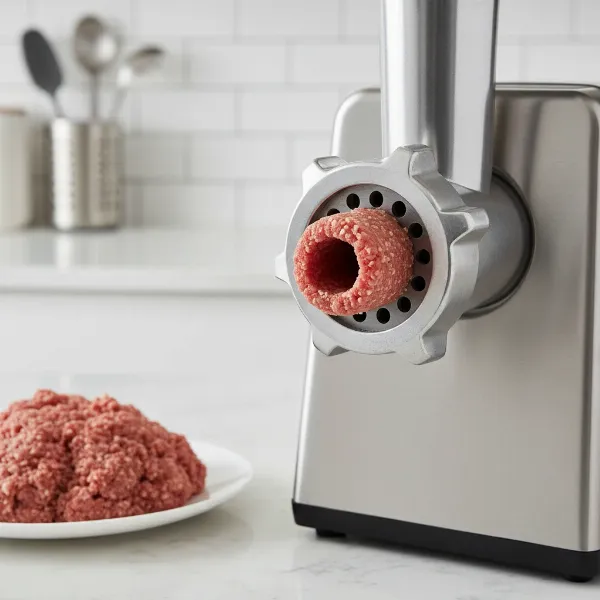
For the most consistent and professional-grade ground pork, a dedicated meat grinder or a stand mixer attachment is your best bet.
- Preparation: Begin by trimming any excess silver skin or gristle from your pork. Cut the pork into strips or cubes that are small enough to fit comfortably into your grinder’s feed tube, typically around 1-inch cubes or 2×5 inch strips.
- Chilling is Key: To ensure a clean grind and prevent the fat from smearing, it is crucial to chill both the meat and your grinder parts (blades, plates, and auger) thoroughly in the freezer for at least 30-60 minutes before grinding. The meat should be firm but not frozen solid.
- Grinding Process: Assemble your chilled grinder. Feed the meat strips or cubes into the grinder, alternating between leaner and fattier pieces if you’re using a mix of cuts like pork shoulder and pork belly. This helps create an evenly distributed fat content. Grind the pork into a bowl, ideally placed over ice to keep the meat cold.
|
Our Picks for the Best Meat grinder in 2026
As an Amazon Associate I earn from qualifying purchases.
|
||
| Num | Product | Action |
|---|---|---|
| 1 | CHEFFANO Electric Meat Grinder, [2000W Max] Heavy Duty Meat Mincer with 2 Blades, 3 Plates, Sausage Tube & Kubbe Kit for Home Kitchen Use |
![Check CHEFFANO Electric Meat Grinder, [2000W Max] Heavy Duty Meat Mincer with 2 Blades, 3 Plates, Sausage Tube & Kubbe Kit for Home Kitchen Use on Amazon](https://meatgrinderpro.com/wp-content/plugins/amazon-tables/assets/images/buy.png)
|
| 2 | Oaomi 3200W Max Electric Meat Grinder & Sausage Stuffer - Mincer Machine with Tool 2 Blade And 3 Plates, 3 Tubes & Kubbe Kit Tool for Home Kitchen Use(Black) |
|
| 3 | CHEFFANO Meat Grinder, 2600W Max Stainless Steel Meat Grinder Electric, ETL Approved Heavy Duty Meat Mincer Machine with 2 Blades, 3 Plates, Sausage Stuffer Tube & Kubbe Kit for Home Kitchen Use |
|
| 4 | Meat Chopper, Hamburger Grinder, Premium Heat Resistant Smasher for Ground Beef, Burger Grinder Nylon Potato Mix Tool, Meat & Poultry Tenderizers-Black |
|
| 5 | Electric Meat Grinder, Sausage Stuffer with 3 Sausage Tubes, 2 Blades, 3 Plates, 3200W Max, Meat Grinder Heavy Duty for Home Kitchen Use, Stainless Steel (Black) |
|
| 6 | Meat Grinder Manual Mincer 2-in-1 Manual Meat Grinder Sausage Maker Table Mount Pork Mincer Sausage Stuffer Funnel Make Homemade Burger Patties Hand Operated Kitchen Tool FQ |
|
| 7 | Meat Grinder, Sausage Stuffer, [2800W Max] Electric Meat Mincer with Stainless Steel Blades & 3 Grinding Plates,Sausage Maker & Kubbe Kit for Home Kitchen & Commercial Using |
|
| 8 | GANIZA Food Processors, Electric Food Chopper with Meat Grinder & Vegetable Chopper - 2 Bowls (8 Cup+8 Cup) with Powerful 450W Copper Motor - Includes 2 Sets of Bi-Level Blades for Fruits/Meat/Nuts |
|
| 9 | KitchenAid Stand Mixer Attachment, Food Grinder KSMMGA, Metal Food Grinder |
|
| 10 | LEM Products BigBite #8 Meat Grinder, 0.50 HP Stainless Steel Electric Meat Grinder Machine, Ideal for Regular Use |
|
The Versatile Food Processor
If a meat grinder isn’t in your kitchen arsenal, a food processor can deliver excellent results, mimicking the desirable hand-chopped texture.
- Preparation: Again, chill your pork and the food processor blade in the freezer for about 30 minutes. Cut the pork into 1-inch cubes.
- Processing in Batches: Work with small batches, filling the food processor bowl no more than halfway. This prevents overcrowding and ensures an even chop.
- Pulsing Technique: Use short, 1-second pulses. Pulse 8 to 10 times, checking the consistency after each few pulses. The goal is a coarsely ground texture that holds together when pinched, not a smooth paste. If you notice any larger chunks, you can return them to the processor with the next batch. The food processor’s blades chop the meat’s muscle fibers directly, providing a texture akin to traditional hand-chopped meat, which many consider superior for dumplings.
The Traditional Hand Chop (Cleaver or Knives)
For a truly authentic texture that some chefs argue is unmatched, hand chopping with a cleaver or two sharp chef’s knives is the way to go. This method breaks down the meat fibers in a unique way, resulting in a distinct mouthfeel that many connoisseurs prefer.
- Preparation: Start with well-chilled pork. Slice the pork into thin sheets, then stack them and cut into fine strips.
- Mincing Action: Gather the strips and begin mincing them with a sharp cleaver or two knives, chopping back and forth across the pile of meat. Periodically, use the blade to gather the minced pork into the center, then continue chopping, rotating the board or changing your chopping direction to ensure evenness.
- Desired Consistency: Continue chopping until the pork reaches your desired fine, yet slightly chunky, consistency. This method preserves individual meat pieces rather than extruding them, leading to a less pasty and more substantial texture.
Achieving the Ideal Texture: Beyond Just Grinding
The texture of your ground pork is paramount for a successful dumpling or wonton filling. It’s not just about how small the pieces are, but how they interact with each other and the other ingredients.
The ultimate goal for dumpling and wonton fillings is a “sticky” and “cohesive” consistency. This unique texture allows the filling to bind together effectively, making it easier to wrap, and more importantly, ensures a juicy and tender result once cooked. A common issue is a “gritty” texture, which can be avoided by proper preparation.
To achieve this, after grinding, incorporate your seasonings and then mix the filling vigorously, often by hand or with chopsticks, in one direction for several minutes. This technique, sometimes referred to as “working the mince,” helps develop the proteins, creating a paste-like texture rather than a crumbly one. It works all the liquids into the pork, which is key for keeping the filling tender and juicy. This method is also a fundamental technique used in making Chinese meatballs, further highlighting its importance for achieving optimal meat texture.
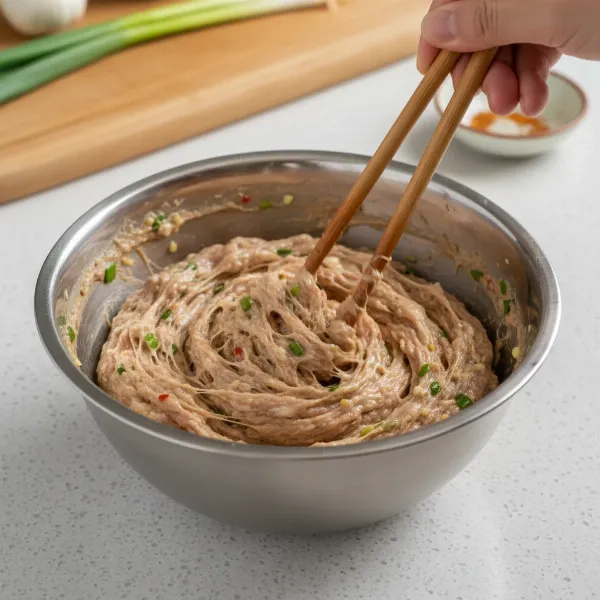 Hands or chopsticks vigorously mixing ground pork filling to achieve a sticky, cohesive texture.
Flavoring Your Ground Pork: Classic & Creative Combinations
Once your pork is perfectly ground, it’s time to infuse it with the vibrant flavors that define classic Asian dumplings and wontons. The right balance of aromatics, liquids, and seasonings is crucial for a memorable filling.
Essential Aromatics
These ingredients form the fragrant backbone of your pork filling, adding depth and zest.
- Fresh Ginger: Finely minced or grated, ginger provides a warm, slightly peppery, and aromatic note that cuts through the richness of the pork.
- Garlic: Minced garlic adds a savory depth and umami, enhancing the overall flavor profile.
- Scallions/Green Onions: Both the white and green parts, thinly sliced or finely chopped, contribute freshness, a mild oniony flavor, and a subtle crunch that balances the richness of the meat.
Key Liquids & Seasonings
These components provide the essential salty, umami, and acidic notes, along with a signature aroma.
- Soy Sauce: A staple, offering saltiness, umami, and a savory foundation.
- Shaoxing Wine: This Chinese cooking wine (or rice wine) is a secret weapon, adding depth, aroma, and a subtle complexity that is hard to replicate.
- Sesame Oil: A small amount of toasted sesame oil goes a long way, imparting a distinctive nutty aroma and flavor. Use sparingly, as its flavor is quite potent.
- Salt: Essential for seasoning and enhancing all the flavors.
- White Pepper: Milder than black pepper, white pepper is a classic in Chinese cooking, offering a subtle, earthy heat.
- Sugar: A touch of sugar (often dark brown sugar for its molasses notes) helps to balance the saltiness and acidity, rounding out the flavor.
Optional Additions for Texture and Flavor
Consider these additions to further customize your filling.
- Napa Cabbage: Finely shredded and chopped Napa cabbage adds bulk, texture, and a touch of sweetness. The crucial step here is to mix the minced cabbage with salt, let it sit for about 15 minutes to draw out moisture, then squeeze out as much water as possible. This prevents a watery filling and soggy dumplings.
- Cornstarch: A tablespoon of cornstarch can help bind the filling together and lock in juices, resulting in a more cohesive and tender texture when cooked.
- Fish Sauce: For an extra layer of savory umami, a dash of fish sauce can be a fantastic addition, especially in wonton fillings.
- Mushrooms: Finely chopped shiitake mushrooms can add an earthy depth.
Step-by-Step Guide to Preparing Your Pork Filling
Crafting the perfect pork filling is a process of careful preparation and thoughtful combination. Follow these steps to ensure a delicious and cohesive mixture every time.
- Prepare the Pork: Begin by thoroughly rinsing and cleaning your chosen pork cut (e.g., pork shoulder, pork belly) with cold water. Trim off any excess fat or gristle that you don’t wish to include. Cut the pork into appropriate-sized pieces for your chosen grinding method—1-inch cubes for a food processor or a cleaver, or 2×5 inch strips for a meat grinder. Chill the pork in the freezer for 30-60 minutes until firm but not frozen solid.
- Grind/Chop the Pork: Using your preferred method (meat grinder, food processor, or hand chopping), process the chilled pork until it reaches the desired texture. Aim for a coarse grind or a fine mince that still has some structural integrity, avoiding an overly pasty consistency. Remember to keep the meat cold during this process.
- Prepare the Vegetables: If using Napa cabbage, finely mince it and mix with a tablespoon of salt. Let it sit for 15 minutes, then squeeze out as much excess water as possible. Finely mince your fresh ginger and garlic. Thinly slice or finely chop your scallions/green onions.
- Combine All Ingredients: In a large mixing bowl, combine the ground pork, drained cabbage (if using), minced ginger, minced garlic, chopped scallions, soy sauce, Shaoxing wine, sesame oil, salt, white pepper, and sugar. If using, add cornstarch and any other optional seasonings like fish sauce or shiitake mushrooms.
- Mix Thoroughly for Texture: This is a critical step for achieving the desired sticky, cohesive texture. Using your hands or a sturdy pair of chopsticks, mix the filling vigorously in one direction for several minutes. You’ll notice the mixture becoming stickier and more uniform, which is essential for juicy, tender dumplings and easy wrapping. This vigorous mixing helps emulsify the fat and liquids, binding the proteins and creating that desirable paste-like consistency.
- Taste Test (Optional but Recommended): To ensure your seasoning is perfect before wrapping, take a small teaspoon of the filling and pan-fry it until cooked through. Taste and adjust any seasonings (salt, sugar, soy sauce) as needed. This simple step can save your entire batch!
Your perfectly prepared pork filling is now ready to be wrapped into delicious dumplings or wontons!
Tips for Success and Troubleshooting
Making homemade ground pork filling for dumplings and wontons can be a rewarding experience. Keep these tips in mind to ensure your success and avoid common pitfalls.
- Keep Everything Cold: This cannot be stressed enough. Cold meat and cold grinding equipment are vital for clean cuts and preventing the fat from smearing, which can result in a mushy texture. If the meat warms up during processing, pop it back into the freezer for a few minutes.
- Don’t Over-Process: Whether using a food processor or hand chopping, resist the urge to over-process the meat. Excessive grinding can turn the pork into a paste-like consistency, which can make the filling dense and less appealing. Aim for a texture that’s finely minced but still has some distinct meat particles.
- Mix Thoroughly, But Gently for Vegetables: While the pork itself benefits from vigorous mixing to achieve stickiness, if you’re incorporating delicate vegetables like finely minced cabbage or greens, mix until just combined after the initial pork mixing. Over-mixing vegetables can bruise them and release unwanted moisture.
- Manage Moisture from Vegetables: Vegetables, especially cabbage, can release a lot of water, leading to a soggy filling. Always salt and squeeze out excess moisture from watery vegetables before adding them to the pork mixture.
- Raw vs. Pre-cooked Filling: Most traditional dumpling and wonton recipes use raw filling. However, some prefer pre-cooking the filling to enhance flavor through the Maillard reaction (browning) before wrapping. While this can add a different dimension of flavor, it’s not strictly necessary and adds an extra step. For first-timers, sticking to raw filling is simpler.
- Balance of Flavors: Always taste your filling (after cooking a small sample!) and adjust seasonings. A good filling balances savory, salty, umami, and a hint of sweetness and acidity. Don’t be afraid to tweak the soy sauce, sugar, or Shaoxing wine to your preference.
- Proper Storage: If you’re not using the filling immediately, cover it tightly and refrigerate for up to 24 hours. For longer storage, freeze the prepared filling in an airtight container for up to 2-3 months.
By paying attention to these details, you’ll consistently create delicious and perfectly textured ground pork fillings for all your dumpling and wonton adventures.
Conclusion
Creating your own ground pork for dumplings and wontons at home is a culinary endeavor that promises exceptional results. By carefully selecting cuts like pork shoulder, paying attention to the grinding or chopping technique, and meticulously balancing traditional seasonings, you gain unparalleled control over the flavor and texture of your filling. This attention to detail transforms a simple meal into an authentic and deeply satisfying experience. The difference a perfectly prepared ground pork makes is undeniable, yielding fillings that are juicy, tender, and bursting with the nuanced flavors of Asian cuisine. So, why settle for less when you can elevate your homemade dumplings and wontons to new heights? What delicious fillings will you craft next?
Frequently Asked Questions
What’s the best fat-to-lean ratio for dumpling pork?
The optimal fat-to-lean ratio for juicy and flavorful dumpling or wonton pork is generally around 80% lean to 20% fat. Cuts like pork shoulder (Boston butt) naturally offer this ideal balance, ensuring the filling remains moist and tender during cooking. Adding a small amount of pork belly can help achieve this ratio if your primary cut is leaner.
Can I use pre-ground pork from the supermarket?
While convenient, pre-ground pork from the supermarket might not always have the ideal fat content or texture for dumplings and wontons. It can often be too lean or finely ground, leading to a dry or pasty filling. If you do use it, opt for medium-fat ground pork and consider adding a small amount of finely chopped pork belly for extra juiciness.
How fine should I grind the pork for dumplings?
For traditional dumplings and wontons, a coarse grind or a fine mince is generally preferred over a very fine, pasty consistency. This texture provides a better mouthfeel, allowing you to discern individual meat fibers rather than a uniform mush. Whether using a food processor or hand chopping, aim for pieces that are small and cohesive but not overly pulverized.
Why is my dumpling filling watery?
A watery dumpling filling is often caused by vegetables, particularly Napa cabbage, releasing too much moisture. To prevent this, always salt and finely mince watery vegetables, then let them sit for about 15 minutes before vigorously squeezing out all excess liquid. This crucial step ensures a firm, flavorful filling that won’t make your wrappers soggy.
What is Shaoxing wine and can I substitute it?
Shaoxing wine is a traditional Chinese fermented rice wine, essential for its unique depth of flavor and aroma in many Asian dishes, including dumpling fillings. If you don’t have Shaoxing wine, a dry sherry or sake can be used as a substitute, though the flavor profile may vary slightly. Mirin (sweet rice wine) can also work, but you might need to adjust other sweetening agents in the recipe.