Kitchen grease is a universal adversary. Whether it’s the aftermath of a sizzling bacon breakfast, stubborn splatters from deep-frying, or a greasy film clinging to your stovetop, dealing with fat and oil can be a messy and frustrating chore. We often reach for paper towels, only to find the grease smears, or worse, contemplate pouring it down the drain, risking costly plumbing nightmares. But what if the solution to your greasy woes was hiding in plain sight, right in your pantry? A simple slice of bread, often overlooked, can be your most effective, eco-friendly, and surprisingly powerful weapon against kitchen grease. This age-old trick, used by home cooks and professional chefs alike, leverages bread’s natural properties to absorb fat, making cleanup a breeze. Get ready to transform your kitchen cleaning routine and discover the unexpected genius of using bread to clear out grease.
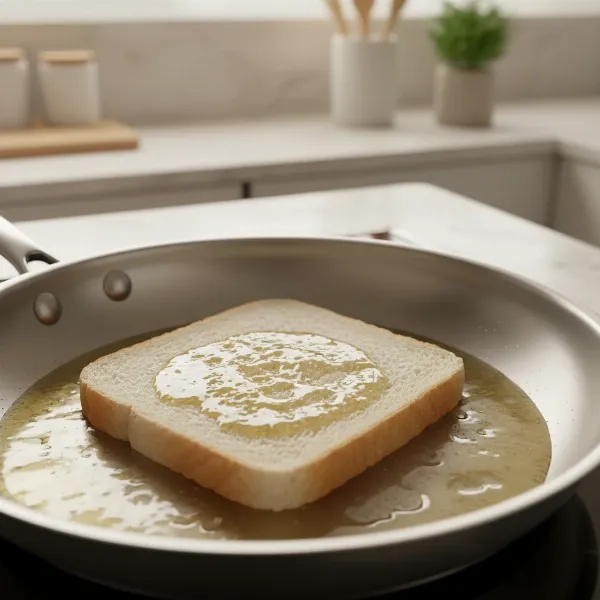 a slice of bread absorbing kitchen grease from a pan on a clean kitchen counter
The Unexpected Absorbent: Why Bread Tackles Grease So Effectively
At first glance, using bread to clean grease might seem counterintuitive. After all, isn’t bread primarily for eating? However, its unique composition makes it an exceptional absorbent for fats and oils. The secret lies in bread’s porous structure. Each slice is a network of tiny air pockets, created during the fermentation and baking process, which act like countless miniature sponges. When pressed against liquid grease, these pores eagerly draw in and trap the oil molecules.
Beyond its physical structure, the chemical makeup of bread, specifically its starch and gluten content, plays a crucial role. Starch, a carbohydrate, is highly absorbent, capable of soaking up liquids much like a sponge. Gluten, the protein network found in wheat (and thus in most common breads), adds to this absorbent power and gives the bread its pliable, cohesive texture. This combination allows bread to effectively “grab” onto grease, preventing it from smearing or spreading further. Unlike paper towels, which can sometimes just push grease around, bread’s ability to encapsulate the oil offers a cleaner, more efficient pickup. It’s a natural, readily available alternative that often outperforms specialized cleaning cloths in direct grease absorption.
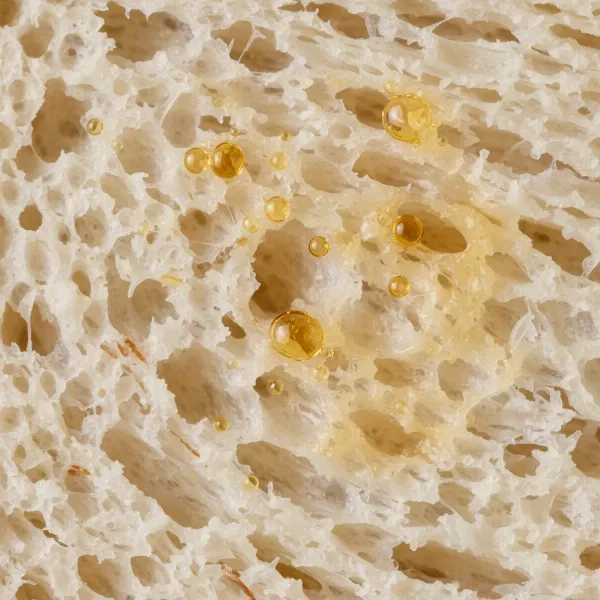 a microscopic view of bread's porous structure absorbing oil droplets effectively
From Pan to Countertop: Unleashing Bread’s Grease-Fighting Potential
The versatility of bread in tackling kitchen grease extends to various scenarios, making it an indispensable hack for any home cook.
Post-Cooking Pan Cleanup
|
Our Picks for the Best Meat grinder in 2026
As an Amazon Associate I earn from qualifying purchases.
|
||
| Num | Product | Action |
|---|---|---|
| 1 | GANIZA Food Processors, Electric Food Chopper with Meat Grinder & Vegetable Chopper - 2 Bowls (8 Cup+8 Cup) with Powerful 450W Copper Motor - Includes 2 Sets of Bi-Level Blades for Fruits/Meat/Nuts |

|
| 2 | KitchenAid Stand Mixer Attachment, Food Grinder KSMMGA, Metal Food Grinder |
|
| 3 | Meat Grinder, Sausage Stuffer, [2800W Max] Electric Meat Mincer with Stainless Steel Blades & 3 Grinding Plates,Sausage Maker & Kubbe Kit for Home Kitchen & Commercial Using |
|
| 4 | Meat Chopper, Hamburger Grinder, Premium Heat Resistant Smasher for Ground Beef, Burger Grinder Nylon Potato Mix Tool, Meat & Poultry Tenderizers-Black |
|
| 5 | Electric Meat Grinder, Sausage Stuffer with 3 Sausage Tubes, 2 Blades, 3 Plates, 3200W Max, Meat Grinder Heavy Duty for Home Kitchen Use, Stainless Steel (Black) |
|
| 6 | CHEFFANO Electric Meat Grinder, [2000W Max] Heavy Duty Meat Mincer with 2 Blades, 3 Plates, Sausage Tube & Kubbe Kit for Home Kitchen Use |
|
| 7 | Oaomi 3200W Max Electric Meat Grinder & Sausage Stuffer - Mincer Machine with Tool 2 Blade And 3 Plates, 3 Tubes & Kubbe Kit Tool for Home Kitchen Use(Black) |
|
| 8 | Meat Grinder Manual Mincer 2-in-1 Manual Meat Grinder Sausage Maker Table Mount Pork Mincer Sausage Stuffer Funnel Make Homemade Burger Patties Hand Operated Kitchen Tool FQ |
|
| 9 | LEM Products BigBite #8 Meat Grinder, 0.50 HP Stainless Steel Electric Meat Grinder Machine, Ideal for Regular Use |
|
| 10 | CHEFFANO Meat Grinder, 2600W Max Stainless Steel Meat Grinder Electric, ETL Approved Heavy Duty Meat Mincer Machine with 2 Blades, 3 Plates, Sausage Stuffer Tube & Kubbe Kit for Home Kitchen Use |
|
One of the most common applications for bread is cleaning up pooled grease in pans after cooking. Think of the rendered fat left over from frying bacon, sausage, or even after searing meats. Instead of attempting to pour the hot grease down the drain, where it can solidify and cause blockages, or wrestling with excessive paper towels, a slice of bread offers an elegant solution. Simply allow the pan to cool slightly so the grease isn’t scorching hot, then place a slice of bread directly into the pooled fat. You can gently press it down or use tongs to wipe it around. The bread quickly soaks up the liquid grease, transforming a messy liquid into a manageable, solid-ish mass that can be easily discarded. This significantly reduces the amount of scrubbing needed and keeps your pipes clear.
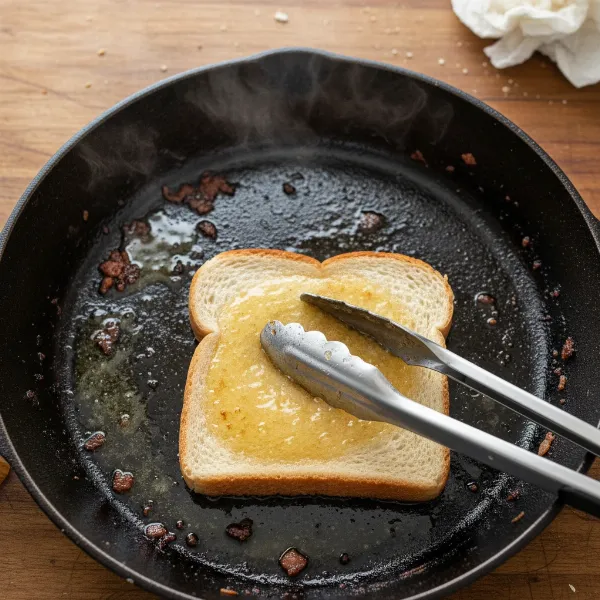 a slice of bread soaking up leftover cooking grease in a hot frying pan
Surface Spills and Splatters
Grease spills on countertops, stovetops, or even kitchen floors are an inevitable part of cooking. These can be particularly challenging to clean, often leaving behind a greasy residue or spreading further if wiped incorrectly. When such a spill occurs, reach for a slice of bread. Gently press the bread onto the greasy area. The porous texture will draw the oil into the bread, lifting it away from the surface. For larger spills, you might need several slices. This method is especially effective on delicate surfaces where abrasive scrubbing could cause damage, offering a soft yet powerful solution for removing unsightly splatters without smearing the mess.
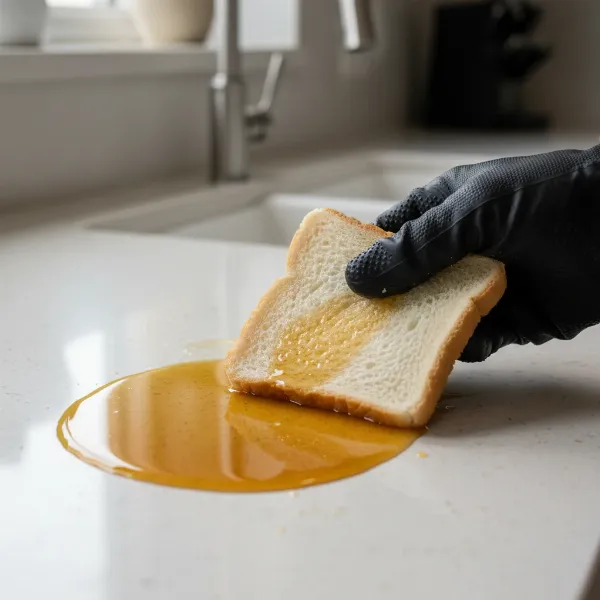 a slice of bread dabbing a fresh grease spill on a kitchen countertop
Skimming Soups, Stews, and Sauces
Achieving a perfectly clear, less greasy broth or sauce can be a culinary challenge. Excess fat can sometimes pool on the surface of soups, stews, or braising liquids, affecting both the texture and the perceived healthiness of the dish. This is where bread proves its genius in a more refined culinary context. As popularized by chefs like Gordon Ramsay, a slice of bread can be used to skim off this unwanted fat. Gently float a piece of bread on the surface of the warm liquid. The bread will act as a “fat magnet,” absorbing the oil without significantly altering the flavor or consistency of your dish. Once it has absorbed a good amount of fat, simply remove it with tongs and discard. This simple trick allows you to enjoy healthier, cleaner-tasting meals.
 a slice of bread floating on soup to absorb excess fat from the surface
Air Fryer Grease Prevention
Air fryers are a marvel for quick and crispy meals, but cleaning the basket and collecting drippings can be a chore. Fat and oils from meats or breaded items often leak through the perforated basket, accumulating in the bottom bin. To minimize this mess, place a thin slice of bread directly underneath the air fryer basket before you start cooking. Ensure the bread lies flat and doesn’t block the air circulation holes. As your food cooks, the bread will effectively catch and absorb the rendered fat and drippings, preventing them from baking onto the bottom of your air fryer. After cooking, simply remove the grease-soaked bread and toss it, making the subsequent cleanup of the air fryer significantly easier.
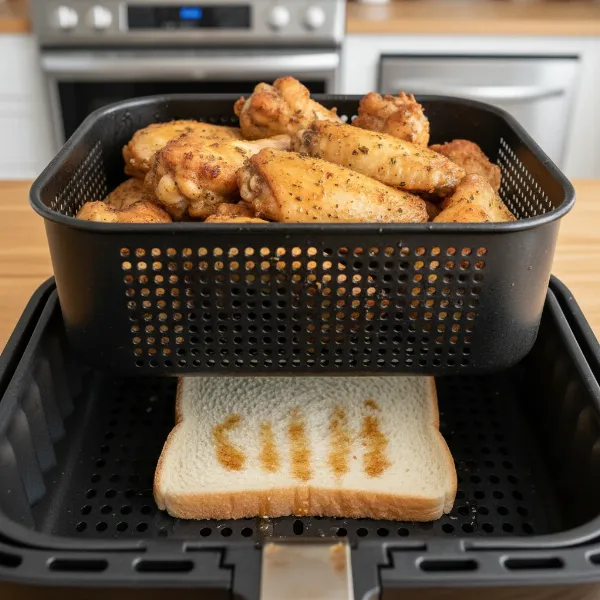 a slice of bread placed in an air fryer basket to catch cooking drippings
Bonus Hack: Picking Up Broken Glass
While not directly grease-related, bread’s absorbent and pliable nature makes it excellent for another tricky kitchen cleanup: picking up tiny shards of broken glass. After sweeping up larger pieces, gently press a slice of bread over the area where minuscule fragments might linger. The soft texture will safely embed the tiny glass pieces, preventing them from pricking your fingers or feet, demonstrating another surprising utility for this common kitchen staple.
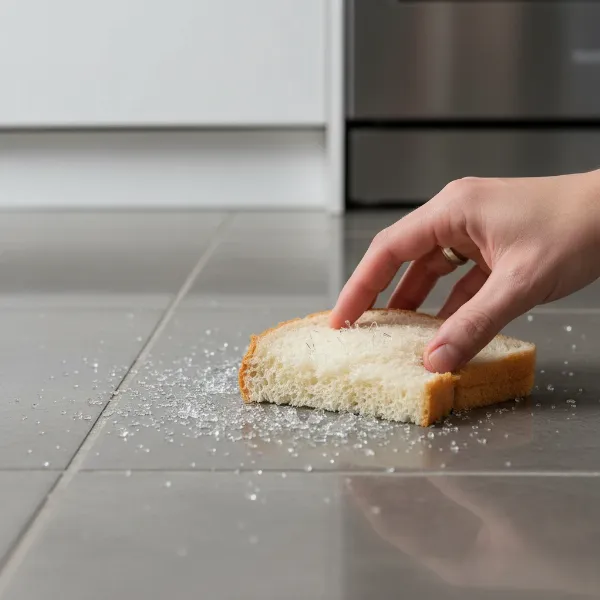 a slice of bread safely picking up tiny shards of broken glass from a kitchen floor
Your Step-by-Step Guide to Bread-Powered Grease Removal
Ready to put this hack into action? Here’s a detailed guide to effectively using bread for various grease cleaning tasks.
1. Choose Your Bread Wisely
While most types of bread will work to some extent, soft, plain white bread is often recommended due to its higher porosity and pliability. Stale bread or the end pieces of a loaf are perfect candidates, as they’re often destined for the bin anyway, making this an excellent way to reduce food waste. Avoid breads with hard crusts or dense textures, as they won’t be as effective at absorbing.
2. For Pooled Pan Grease
- Cool It Down (Slightly): Never place bread into actively boiling or super-hot grease, as it can quickly cook the bread and become difficult to handle. Allow the pan and grease to cool for a few minutes until the grease is still liquid but no longer scalding.
- Place and Press: Carefully place a slice of bread directly onto the pooled grease. For larger amounts, you might use two slices.
- Soak It Up: Allow the bread to sit for 10-20 seconds, giving it time to fully absorb the fat. You’ll often see the bread visibly darken as it soaks.
- Remove and Discard: Using tongs, carefully lift the grease-soaked bread from the pan. Wrap it in a piece of newspaper or a small plastic bag to contain the grease, then dispose of it in your trash bin. Your pan will be significantly cleaner and easier to wash.
3. For Surface Spills
- Act Quickly: The sooner you address a grease spill on your countertop or stovetop, the easier it will be to clean.
- Cover and Dab: Place a slice of bread over the grease spill. Instead of rubbing, gently press down on the bread. This allows the bread’s porous structure to absorb the oil rather than spreading it.
- Repeat if Necessary: For larger or more stubborn spills, you may need to use several fresh slices of bread, continuing to dab until most of the visible grease has been lifted.
- Finish with a Wipe: Once the bread has absorbed the bulk of the grease, follow up with a damp cloth and a mild degreasing detergent to clean any remaining residue and ensure the surface is spotless.
4. For Skimming Fat from Liquids
- Gentle Approach: When dealing with soups or stews, the goal is to skim the fat without disturbing the liquid too much.
- Float and Glide: Gently place a slice of bread directly onto the surface of the warm liquid, letting it float.
- Absorb and Remove: Carefully glide the bread across the surface, allowing it to absorb the floating fat. You can use a spoon or tongs to gently guide it. Once saturated, remove the bread.
- Repeat for Clarity: If a significant amount of fat remains, repeat the process with a fresh slice of bread until your liquid is as clear as desired.
5. Proper Disposal
Regardless of the application, always dispose of grease-soaked bread responsibly. Wrap it securely in paper or a small bag to prevent leakage and place it in your regular trash. Never compost grease-soaked bread or flush it down the toilet, as the absorbed fat can attract pests or still contribute to plumbing issues in the long run.
Maximizing Your Bread Cleaning Efficiency
To truly master this clever cleaning hack, consider these additional tips for maximum effectiveness:
- Don’t Rub, Dab: This point bears repeating. While it’s tempting to scrub, especially with stubborn spills, rubbing bread can break it apart, leaving crumbs and potentially smearing the grease further. A gentle dabbing or pressing motion is key to efficient absorption.
- Layer Up for Bigger Messes: For extensive grease spills, don’t be shy about using multiple slices of bread. Layering them can create a larger absorbent surface, tackling the mess more quickly and efficiently.
- The Power of Stale Bread: Embrace food waste reduction by intentionally saving stale bread or loaf ends for your cleaning arsenal. These pieces, often destined for the bin, are perfectly suited for grease absorption and give them a useful second life.
- Complementary Cleaning: Remember that bread is an excellent first step for removing the bulk of the grease. It’s not typically a disinfectant or a final cleaner. Always follow up with your usual cleaning agents, like soap and water, to thoroughly sanitize the surface and remove any lingering film.
- Warmth Helps: For pooled grease in pans or on surfaces, slightly warm grease is generally easier for bread to absorb than cold, hardened fat. Just ensure it’s not too hot to safely handle the bread.
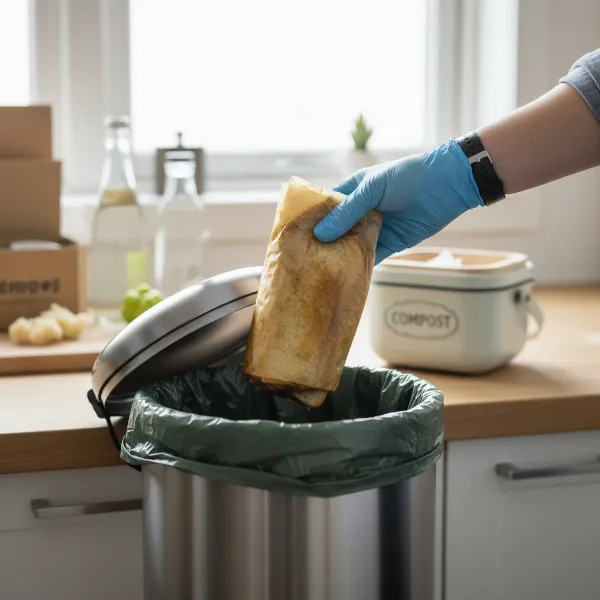 a person disposing of grease soaked bread in a trash bin, emphasizing sustainability
A Greener Kitchen: Minimizing Grease and Maximizing Sustainability
Beyond its immediate effectiveness, incorporating bread into your grease cleaning routine offers significant environmental benefits. By using bread, you can reduce your reliance on disposable paper towels, contributing to less waste. More importantly, it provides a safe and effective alternative to pouring grease down the drain, a practice that contributes to massive plumbing problems and environmental pollution.
Embracing simple, resourceful hacks like this encourages a more sustainable approach to home maintenance. It reminds us that often, the most effective solutions are found not in specialized chemicals or single-use products, but in everyday items with a little ingenuity. A cleaner kitchen is not just about aesthetics; it’s about maintaining hygiene and contributing to a healthier home and planet.
Conclusion
The humble slice of bread, often taken for granted, emerges as a true kitchen hero when it comes to tackling grease. Its porous structure, combined with its starch and gluten content, creates an incredibly effective tool for absorbing fats from pans, countertops, air fryers, and even soups. This simple, eco-friendly hack not only simplifies your cleaning chores but also helps protect your plumbing and reduce waste. By understanding the science and applying these practical methods, you can transform the way you deal with greasy messes, turning a frustrating task into a surprisingly satisfying one. So, the next time you face a greasy challenge in your kitchen, don’t reach for another paper towel. Grab a slice of bread and witness the magic yourself.
What other unexpected kitchen items have you discovered for clever cleaning?
Frequently Asked Questions
Which type of bread works best for absorbing grease?
Soft, plain white bread is generally the most effective due to its high porosity and pliable texture, which allows it to readily absorb liquids and oils. Stale bread or the end slices of a loaf are excellent choices as they put otherwise discarded food to good use.
Can bread remove old, dried grease stains?
No, bread is primarily effective for absorbing fresh, liquid grease or oil spills. It will not work well on old, hardened, or baked-on grease stains, which require more robust cleaning agents and scrubbing.
Is it safe to put hot grease on bread?
It is safest to allow very hot grease to cool slightly before using bread for absorption. While warm grease is more easily absorbed than cold, hardened grease, extremely hot grease can cook the bread, making it brittle and difficult to handle, and can also pose a burn risk.
How should I dispose of grease-soaked bread?
Grease-soaked bread should be wrapped securely in newspaper, paper towels, or a small plastic bag and then discarded in your regular trash. Avoid composting it or flushing it down the toilet, as the grease can still cause issues in those systems.
Does using bread for cleaning really save money or the environment?
Yes, it can. By using bread, especially stale bread, you reduce food waste. Furthermore, it lessens your reliance on disposable paper towels, saving money and reducing landfill waste. Crucially, it prevents harmful grease from entering your drains, protecting your plumbing and the environment from costly and damaging blockages.