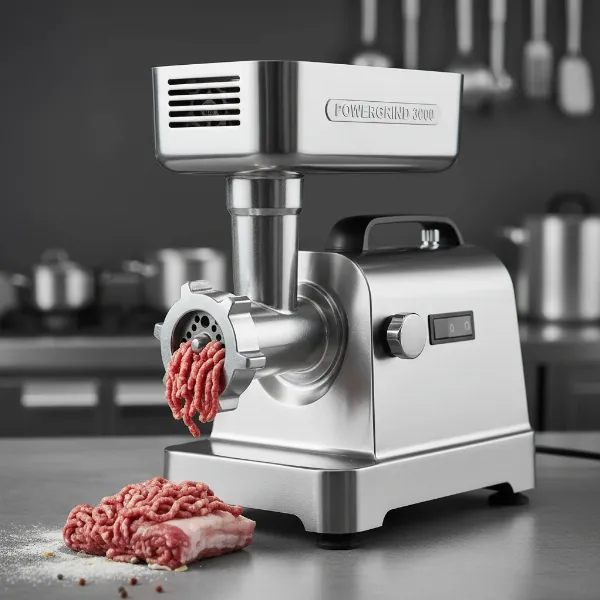
Making your own chorizo at home is a rewarding culinary adventure that brings unparalleled freshness and flavor to your kitchen. With a meat grinder, this process becomes not only manageable but also incredibly satisfying, allowing you to control every ingredient and tailor the taste to perfection. Forget about store-bought versions filled with unknown additives; homemade chorizo is a game-changer for breakfast burritos, tacos, and a myriad of other savory dishes. This comprehensive guide will walk you through everything you need to know, from selecting the right meat grinder to the step-by-step process of crafting your own delicious chorizo.
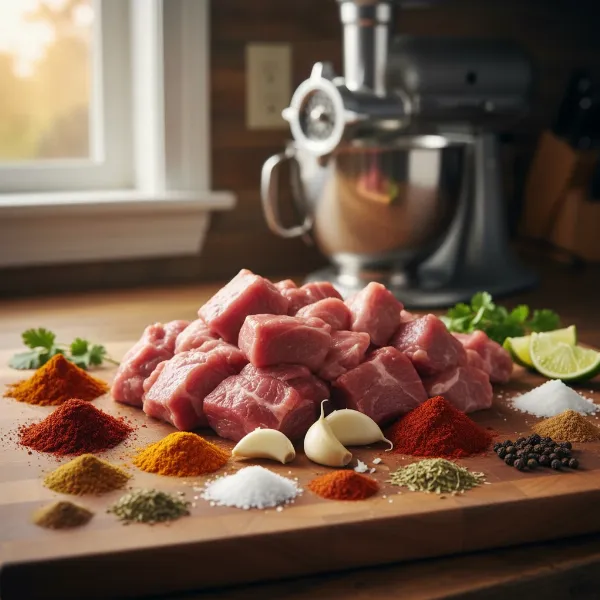 a kitchen scene showing ingredients and a meat grinder for making fresh Mexican chorizo
Understanding Chorizo: Mexican vs. Spanish
Before we dive into the grinding process, it’s essential to understand the two main styles of chorizo: Mexican and Spanish. Spanish chorizo is a cured, hard sausage, often infused with smoked paprika, and can be sliced and eaten without further cooking. Mexican chorizo, on the other hand, is a fresh, raw sausage, typically made with ground pork and a vibrant blend of chili peppers and spices, often including vinegar. It must be cooked before consumption and is known for its crumbly texture and bold, spicy flavor. This guide focuses on making this fresh, versatile Mexican-style chorizo.
Essential Ingredients for Homemade Chorizo
The heart of any great chorizo lies in its ingredients. Selecting high-quality components ensures a superior end product.
- Meat: The foundation is typically pork. A good balance of lean meat and fat is crucial for juicy, flavorful chorizo. Pork shoulder (butt) is an excellent choice as it provides both. Aim for a fat-to-lean ratio of around 70/30 or 80/20. Some recipes may incorporate a mix of pork and chicken, or even beef for different flavor profiles.
- Spices: This is where the magic happens. A classic Mexican chorizo spice blend includes:
- Chili Powders: Ancho and Guajillo chili powders provide depth, color, and a balanced heat. You can also rehydrate whole dried chiles like ancho, guajillo, and Japones, then blend them into a paste with vinegar for an even more authentic flavor.
- Aromatics: Fresh garlic, ground cumin, Mexican oregano, and black pepper are fundamental.
- Earthy & Sweet Notes: A touch of ground cinnamon and cloves adds complexity, while a pinch of coriander can brighten the blend.
- Salt: Essential for seasoning and preservation.
- Vinegar: Apple cider vinegar is commonly used to add tang and help tenderize the meat.
- Optional Additions:
- Hog Casings: If you prefer to make chorizo links, natural hog casings are necessary.
- Achiote Paste: For a distinctive color and earthy flavor, achiote paste or ground annatto seeds can be included.
Choosing the Right Meat Grinder for Chorizo
A reliable meat grinder is your best friend in homemade sausage making. The choice depends on your volume and frequency of use.
- Manual Meat Grinders: These hand-cranked models are budget-friendly and great for occasional, small batches (1-5 pounds). They are simple to use and clean, requiring no electricity, but demand more physical effort.
- Electric Meat Grinders: Ideal for larger batches and frequent use, electric grinders offer speed and efficiency. They come in various power levels and sizes, with common household models ranging from 0.5 HP to 1 HP. Many electric grinders also include sausage stuffing attachments, making them versatile for various sausage types. For tasks like chorizo, where you might process a few pounds at a time, an electric model offers significant convenience.
- Stand Mixer Attachments: Many popular stand mixers, like KitchenAid, offer meat grinder attachments. These are convenient for home cooks who already own a stand mixer and only make small to medium batches. However, for very large quantities, a dedicated electric grinder might be more robust.
- Key Features for Chorizo:
- Power: For efficiency, especially with tougher cuts or larger volumes, a motor with at least 500 watts (0.5 HP) is recommended.
- Grinding Plates/Dies: Different plate sizes allow for varying textures. For chorizo, a coarse grind is typically preferred, often around 4.5mm or 6mm. Having multiple plate sizes offers versatility for other ground meats.
- Sausage Stuffing Attachments: If you plan to make chorizo links, ensure your grinder comes with a sausage stuffer horn or funnel.
- Material: Stainless steel components are durable, easy to clean, and hygienic.
For home use, a #8 electric meat grinder often strikes a good balance between power and size, allowing you to process 10-15 pound batches efficiently. Larger #12 or #22 grinders are typically for commercial use or very high-volume processing.
Step-by-Step Guide: Grinding Meat for Chorizo
Making chorizo with a meat grinder involves a few critical steps to ensure the best texture and flavor.
1. Prepare Your Meat
|
Our Picks for the Best Meat grinder in 2026
As an Amazon Associate I earn from qualifying purchases.
|
||
| Num | Product | Action |
|---|---|---|
| 1 | Oaomi 3200W Max Electric Meat Grinder & Sausage Stuffer - Mincer Machine with Tool 2 Blade And 3 Plates, 3 Tubes & Kubbe Kit Tool for Home Kitchen Use(Black) |

|
| 2 | LEM Products BigBite #8 Meat Grinder, 0.50 HP Stainless Steel Electric Meat Grinder Machine, Ideal for Regular Use |
|
| 3 | Meat Grinder, Sausage Stuffer, [2800W Max] Electric Meat Mincer with Stainless Steel Blades & 3 Grinding Plates,Sausage Maker & Kubbe Kit for Home Kitchen & Commercial Using |
|
| 4 | Meat Grinder Manual Mincer 2-in-1 Manual Meat Grinder Sausage Maker Table Mount Pork Mincer Sausage Stuffer Funnel Make Homemade Burger Patties Hand Operated Kitchen Tool FQ |
|
| 5 | KitchenAid Stand Mixer Attachment, Food Grinder KSMMGA, Metal Food Grinder |
|
| 6 | CHEFFANO Meat Grinder, 2600W Max Stainless Steel Meat Grinder Electric, ETL Approved Heavy Duty Meat Mincer Machine with 2 Blades, 3 Plates, Sausage Stuffer Tube & Kubbe Kit for Home Kitchen Use |
|
| 7 | Meat Chopper, Hamburger Grinder, Premium Heat Resistant Smasher for Ground Beef, Burger Grinder Nylon Potato Mix Tool, Meat & Poultry Tenderizers-Black |
|
| 8 | GANIZA Food Processors, Electric Food Chopper with Meat Grinder & Vegetable Chopper - 2 Bowls (8 Cup+8 Cup) with Powerful 450W Copper Motor - Includes 2 Sets of Bi-Level Blades for Fruits/Meat/Nuts |
|
| 9 | CHEFFANO Electric Meat Grinder, [2000W Max] Heavy Duty Meat Mincer with 2 Blades, 3 Plates, Sausage Tube & Kubbe Kit for Home Kitchen Use |
|
| 10 | Electric Meat Grinder, Sausage Stuffer with 3 Sausage Tubes, 2 Blades, 3 Plates, 3200W Max, Meat Grinder Heavy Duty for Home Kitchen Use, Stainless Steel (Black) |
|
Start by trimming your pork shoulder, removing any gristle or undesirable bits. Cut the meat and fat into 1 to 2-inch chunks that will easily fit into your grinder’s feed tube. This is crucial for smooth operation. Next, spread the meat chunks on a baking sheet and place them in the freezer for about 30 to 60 minutes, or until they are very cold but not frozen solid. The ideal temperature for grinding meat is between 27°F and 35°F (-3°C to 2°C). This chilling step helps the meat grind cleanly, prevents fat from smearing, and ensures a better texture.
2. Prepare Your Seasonings
While the meat chills, prepare your spice blend. In a bowl, combine all your dry spices: chili powder, paprika, cumin, oregano, salt, pepper, cinnamon, and cloves. If using whole dried chiles, rehydrate them in hot water for about 30 minutes, then blend them with vinegar and fresh garlic until smooth. Strain the puree to remove any tough skins or seeds, setting aside the flavorful chili liquid.
3. Chill Your Grinder
For optimal results, chill your meat grinder’s head, blade, and grinding plate in the freezer for at least 30 minutes to an hour before use. This helps keep the meat cold throughout the grinding process, preventing the fat from melting and ensuring a clean cut. Some enthusiasts even keep the receiving bowl for the ground meat in an ice bath during grinding to maintain a consistently low temperature.
4. Assemble and Grind
Assemble your chilled meat grinder, attaching the coarse grinding plate (typically around 4.5mm to 6mm) for Mexican chorizo, which usually has a coarser texture. Slowly feed the chilled meat chunks into the grinder’s hopper, using the stomper to gently push them down. Avoid forcing the meat through, as this can strain the motor and affect the grind quality. If you find the grinder struggling, the meat might not be cold enough.
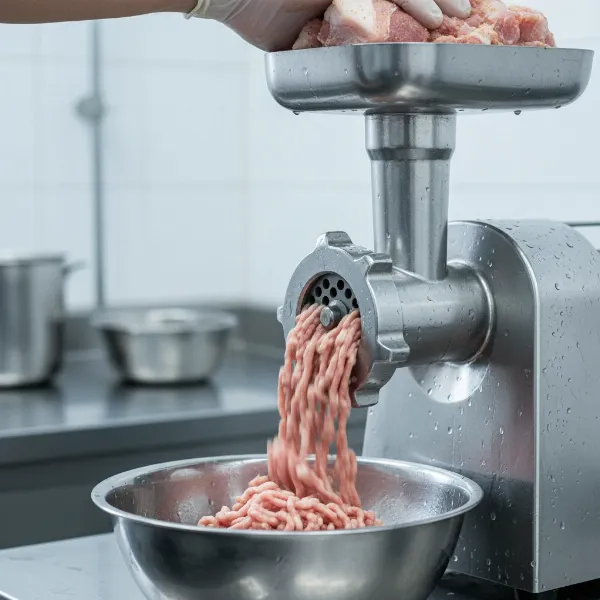 A powerful electric meat grinder actively processing chilled pork chunks through a coarse plate
5. Mix and Incorporate
Once all the meat is ground, transfer it to a large mixing bowl. Add your prepared dry spice blend and the chili-vinegar liquid (if using). If you’re not using a chili paste, add your preferred vinegar directly at this stage. Using clean hands or a stand mixer with a paddle attachment on low speed, mix the ingredients thoroughly until well combined. The mixture should become slightly sticky, indicating that the proteins are binding, which contributes to the sausage’s texture. Be careful not to overmix, as this can make the chorizo tough.
Crafting Your Chorizo: Stuffing and Storage
After grinding and seasoning, your chorizo is almost ready. You can either form it into patties or stuff it into casings.
- Stuffing into Casings (Optional): If you desire chorizo links, switch your meat grinder’s plate and blade with the sausage stuffing attachment. Ensure your hog casings have been soaked in warm water for at least 30 minutes to make them pliable. Carefully feed the chorizo mixture into the casings, trying to avoid air pockets. Once filled, twist the casing at regular intervals to create individual links.
- Forming Patties: If you prefer loose chorizo or patties, simply form the mixture into desired shapes. This is a common and easy way to use fresh Mexican chorizo.
- Chilling for Flavor Development: For the best flavor, cover the chorizo and refrigerate it overnight (8-12 hours). This allows the spices to meld and fully infuse into the meat, deepening its taste.
- Storage: Fresh chorizo can be stored in the refrigerator for up to 3-4 days. For longer storage, double-wrap portions in plastic wrap or use a vacuum sealer, then freeze them. Frozen chorizo can last for several months.
Tips for Perfect Homemade Chorizo
Achieving that perfect homemade chorizo every time comes down to a few key practices.
- Keep Everything Cold: This cannot be stressed enough. Cold meat grinds cleanly, and cold equipment ensures the fat doesn’t smear, leading to a superior texture.
- Don’t Overwork the Meat: Mix just enough to combine ingredients. Excessive mixing can lead to a tough, dense sausage.
- Taste Test: Before cooking the whole batch, cook a small patty of the chorizo. Taste it and adjust the seasonings (salt, spice, vinegar) if necessary. It’s much easier to tweak the flavor at this stage.
- Clean Equipment Promptly: Disassemble and clean your meat grinder immediately after use. This prevents meat particles from drying and becoming difficult to remove, and it’s essential for hygiene.
Comparison Table: Popular Meat Grinders for Home Use
| Type/Brand Category | Power (HP) | Material (Housing) | Key Features for Chorizo | Pros | Cons |
|---|---|---|---|---|---|
| Manual Grinders | N/A | Cast Iron/Stainless | Coarse/Fine plates | Affordable, quiet, durable, no electricity needed | Requires effort, slower for large batches |
| Electric (Entry-Level) | 0.5-0.8 | Plastic/Metal | Multiple plates, sausage stuffer | Good for small to medium batches, more efficient than manual | Less durable for heavy use, can struggle with tougher meat |
| Electric (Mid-Range) | 0.8-1.2 | Stainless Steel/Metal | Multiple plates, reverse function, sausage stuffer | Efficient, robust, handles larger batches, good longevity | Higher price point, can be bulky |
| Stand Mixer Attachment | Varies by mixer | Metal/Plastic | Coarse/Fine plates, some with stuffers | Space-saving if you own a mixer, convenient for small batches | Less powerful than dedicated units, not ideal for large volume |
Top Meat Grinder Recommendations for Chorizo
When selecting a meat grinder specifically for chorizo, focus on models known for their durability, power, and ability to handle fatty meats effectively. Look for:
- Robust Motor: A powerful motor prevents stalling and ensures consistent grinding, especially important for the mixture of meat and fat in chorizo.
- Stainless Steel Components: These are easier to clean and resist corrosion, crucial for food safety.
- Multiple Grinding Plates: Having at least a coarse and medium plate allows you to control the chorizo’s texture.
- Sausage Stuffing Kit: Essential if you plan to make chorizo links.
Brands like LEM, Weston, and STX International are often praised by home sausage makers for their dedicated meat grinders, offering powerful motors and sturdy construction suitable for regular use. For those with a KitchenAid stand mixer, the metal food grinder attachment is a viable option for smaller batches and offers good performance.
“The secret to superior homemade chorizo isn’t just in the spice blend; it’s in respecting the cold chain. Keeping your meat and equipment thoroughly chilled ensures a clean grind, vibrant color, and an unbeatable texture that store-bought simply can’t match.” – Chef Elena Rodriguez, Artisan Butcher and Sausage Maker
Conclusion
Embarking on the journey of making your own chorizo with a meat grinder is a culinary decision you won’t regret. It empowers you with control over ingredients, flavor, and freshness, elevating your meals to a whole new level. By choosing the right meat grinder, preparing your ingredients meticulously, and following the essential steps, you’ll be able to craft delicious, authentic chorizo that impresses every time. So, are you ready to unlock the bold flavors of homemade chorizo in your kitchen?
Frequently Asked Questions
What type of meat is best for chorizo?
Pork shoulder (also known as pork butt) is highly recommended for chorizo due to its ideal balance of lean meat and fat, which contributes to a juicy and flavorful sausage. A ratio of approximately 70-80% lean meat to 20-30% fat is generally preferred.
How coarse should I grind the meat for chorizo?
For traditional Mexican chorizo, a coarse grind is typically desired. Using a grinding plate with holes around 4.5mm to 6mm will give you the characteristic texture that crumbles beautifully when cooked.
Can I make chorizo without a meat grinder?
While a meat grinder is highly recommended for the best texture, you can technically make chorizo by finely hand-mincing the meat or using a food processor in short pulses. However, these methods may not achieve the same consistent grind and texture as a dedicated meat grinder.
How long can homemade chorizo be stored?
Fresh, uncooked homemade chorizo can be stored in the refrigerator for 3 to 4 days. For longer storage, it can be tightly wrapped or vacuum-sealed and frozen for up to 3 to 4 months without significant loss of quality.
What is the difference between Mexican and Spanish chorizo?
Mexican chorizo is a fresh, uncooked sausage seasoned primarily with chili peppers and often vinegar, requiring cooking before consumption. Spanish chorizo, in contrast, is a cured and smoked sausage, typically flavored with smoked paprika, and can be eaten sliced without further cooking.