Few things are as frustrating in the kitchen as a meat grinder sputtering to a halt, choked by stubborn sinew. You’re in the middle of preparing a batch of homemade sausages or fresh ground beef, and suddenly, the grinding stops, replaced by a strained hum. This common problem, primarily caused by the tough, fibrous connective tissue known as sinew, can bring your culinary plans to a grinding halt and even damage your machine if not addressed properly. Understanding why sinew causes such issues and knowing how to swiftly resolve and prevent them is crucial for any serious home cook or professional butcher. This comprehensive guide will walk you through immediate fixes, essential preventative measures, and expert tips to ensure your meat grinder operates efficiently, turning even the toughest cuts into perfectly ground meat.
Understanding the Foe: Why Sinew Jams Your Meat Grinder
Sinew, also known as gristle or connective tissue, is the bane of any meat grinder. Unlike muscle fibers, which are easily cut by a sharp blade, sinew is incredibly elastic and tough. When meat passes through the grinder, the auger (or worm) pushes it towards the rotating blade and stationary grinding plate. While muscle tissue is cleanly sliced and forced through the plate’s holes, sinew tends to wrap around the auger and the blade, creating a tangled mess.
This accumulation of sinew acts like a brake, preventing the blade from rotating effectively against the grinding plate. The result is a slow-down, a complete stop, or, in severe cases, a strained motor that can overheat and fail. This problem is exacerbated by dull blades, which tear rather than cut, and improperly assembled grinder components, which allow gaps for sinew to escape the cutting action and wrap around the moving parts. Over time, persistent jamming can lead to premature wear and tear on your grinder’s motor and components, reducing its lifespan and efficiency.
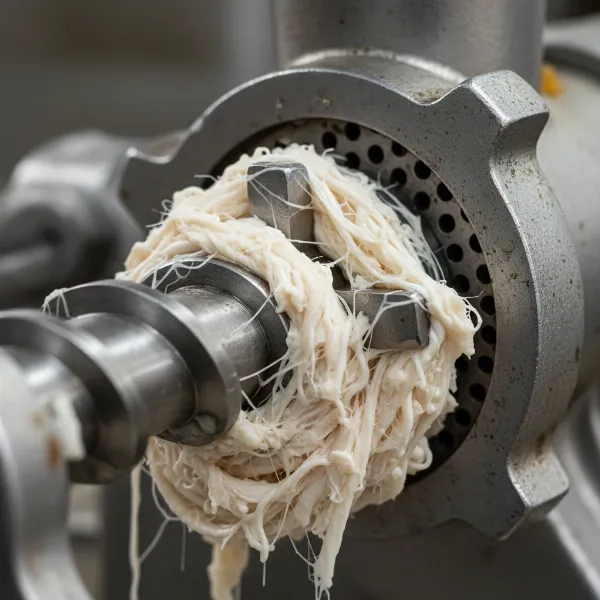 Close-up of sinew wrapped around a meat grinder auger and blade, causing a jam.
Immediate Action: What to Do When Your Grinder Jams
When your meat grinder succumbs to a sinew jam, acting quickly and correctly can save both your patience and your machine. The most critical first step is always safety.
Safety First: Unplugging Your Grinder
|
Our Picks for the Best Meat grinder in 2026
As an Amazon Associate I earn from qualifying purchases.
|
||
| Num | Product | Action |
|---|---|---|
| 1 | Meat Chopper, Hamburger Grinder, Premium Heat Resistant Smasher for Ground Beef, Burger Grinder Nylon Potato Mix Tool, Meat & Poultry Tenderizers-Black |

|
| 2 | LEM Products BigBite #8 Meat Grinder, 0.50 HP Stainless Steel Electric Meat Grinder Machine, Ideal for Regular Use |
|
| 3 | Electric Meat Grinder, Sausage Stuffer with 3 Sausage Tubes, 2 Blades, 3 Plates, 3200W Max, Meat Grinder Heavy Duty for Home Kitchen Use, Stainless Steel (Black) |
|
| 4 | KitchenAid Stand Mixer Attachment, Food Grinder KSMMGA, Metal Food Grinder |
|
| 5 | Meat Grinder, Sausage Stuffer, [2800W Max] Electric Meat Mincer with Stainless Steel Blades & 3 Grinding Plates,Sausage Maker & Kubbe Kit for Home Kitchen & Commercial Using |
|
| 6 | CHEFFANO Electric Meat Grinder, [2000W Max] Heavy Duty Meat Mincer with 2 Blades, 3 Plates, Sausage Tube & Kubbe Kit for Home Kitchen Use |
|
| 7 | GANIZA Food Processors, Electric Food Chopper with Meat Grinder & Vegetable Chopper - 2 Bowls (8 Cup+8 Cup) with Powerful 450W Copper Motor - Includes 2 Sets of Bi-Level Blades for Fruits/Meat/Nuts |
|
| 8 | CHEFFANO Meat Grinder, 2600W Max Stainless Steel Meat Grinder Electric, ETL Approved Heavy Duty Meat Mincer Machine with 2 Blades, 3 Plates, Sausage Stuffer Tube & Kubbe Kit for Home Kitchen Use |
|
| 9 | Meat Grinder Manual Mincer 2-in-1 Manual Meat Grinder Sausage Maker Table Mount Pork Mincer Sausage Stuffer Funnel Make Homemade Burger Patties Hand Operated Kitchen Tool FQ |
|
| 10 | Oaomi 3200W Max Electric Meat Grinder & Sausage Stuffer - Mincer Machine with Tool 2 Blade And 3 Plates, 3 Tubes & Kubbe Kit Tool for Home Kitchen Use(Black) |
|
As soon as you notice the grinder struggling, slowing down, or stopping, immediately unplug it from the power source. This cannot be stressed enough. Attempting to clear a jam with the machine still plugged in or, worse, running, poses a significant risk of injury from the moving parts and potential electrical hazards. Ensure the machine is completely de-energized before proceeding with any troubleshooting.
Initial Troubleshooting: The Reverse Function
Some modern meat grinders come equipped with a reverse function. If your model has this feature, it can be a convenient first attempt at clearing a minor jam.
- How to use it: With the grinder unplugged, remove the feed tray. Carefully remove the grinder head faceplate (the locking ring). Turn the machine on in reverse for a very brief moment (about 1 second), then immediately turn it off and unplug it again. The reverse motion might cause the tangled sinew to dislodge in a mass.
- Caution: Keep your hands clear of the grinder head during this brief operation. If the sinew doesn’t pop out easily, or if your grinder doesn’t have a reverse function, you’ll need to proceed to full disassembly.
Disassembly and Cleaning: Getting to the Root of the Problem
When the reverse function isn’t an option or doesn’t work, a full manual clean-out is necessary. This process requires a methodical approach to ensure all sinew is removed and no components are damaged.
- Unplug and Disassemble: After ensuring the grinder is unplugged, unscrew the locking ring that holds the grinder head components in place. Carefully remove the grinding plate, the blade, and the auger (worm) from the grinder head. If your machine has a plastic auger bushing, ensure you retrieve it, as it’s crucial for keeping the blade pressed tightly against the plate.
- Remove the Sinew: You will likely find a dense mass of sinew, fat, and connective tissue tightly wrapped around the auger and blade. Use a pair of pliers, tweezers, or even a sturdy knife to carefully pull and cut away the accumulated sinew. Be thorough; even small remnants can lead to future jams. Pay close attention to the area between the blade and the grinding plate.
- Clean Components: Once all visible sinew is removed, thoroughly wash all the grinder components (auger, blade, plates, locking ring, feed tray) with warm, soapy water. Use a stiff brush to remove any lingering food particles. Dry everything immediately and completely to prevent rust, especially on carbon steel components.
- Inspect for Damage: While cleaning, inspect the blade and grinding plates for any signs of wear, dullness, or damage. Dull blades are a primary contributor to sinew jamming. If blades are dull, consider sharpening them or replacing them entirely. Ensure the grinding plate is flat and sits snugly against the blade.
Reassembly and Testing: Getting Back to Grinding
Proper reassembly is just as important as proper cleaning to prevent immediate re-jamming.
- Reassemble Components: Carefully place the auger back into the grinder head, followed by the blade (ensuring it’s facing the correct direction—cutting edge out). Then, place the grinding plate over the blade, making sure its notch aligns with the pin on the grinder head. Finally, screw the locking ring back on firmly, but avoid overtightening, which can cause friction and wear. If your model has an auger bushing, ensure it’s correctly seated to maintain the necessary tension between the blade and plate.
- Test Run: Plug the grinder back in. It’s often a good practice to run a small amount of non-sinewy meat or even a piece of bread through the grinder first to ensure everything is functioning smoothly before tackling your main batch.
Preventative Measures: Avoiding Future Sinew Jams
Prevention is always better than cure, especially when it comes to meat grinder jams. Implementing a few key practices can significantly reduce the likelihood of encountering sinew-related issues.
Superior Meat Preparation
The most effective way to prevent jams starts before the meat even touches the grinder.
- Trim Excess Sinew and Silver Skin: This is paramount. Before grinding, meticulously trim away as much visible sinew, silver skin, and large chunks of connective tissue as possible. While time-consuming, this step dramatically improves grinding efficiency and the quality of your ground meat.
- Cut Meat into Appropriate Sizes: Don’t overload the grinder with large pieces. Cut your meat into smaller, manageable chunks (typically 1-2 inch cubes or strips) that fit easily into the feed tube. Cutting against the grain can also help reduce the stringiness of some cuts.
- Chill Your Meat (and Grinder Parts): Cold, firm meat grinds much more cleanly than room-temperature meat. Partially freeze your meat for 30-60 minutes before grinding until it’s very firm but not rock-solid. Some experts even recommend chilling the grinder head, auger, and blade in the freezer for 15-30 minutes before use to maintain a consistently cold grinding environment. This prevents smearing and helps the blades cut through tougher tissues more effectively.
 Raw meat cubes meticulously trimmed of sinew and silver skin, ready for grinding.
Optimized Grinder Maintenance and Usage
The condition of your grinder and how you operate it play a crucial role in preventing jams.
- Keep Blades Sharp: Dull blades are the primary culprit for smearing and wrapping sinew. Regularly sharpen your grinder blades or replace them when they show signs of wear. Many blade and plate sets are designed to wear together, so replacing them as a pair can ensure a tight, efficient cut.
- Ensure Proper Assembly: Always double-check that the blade is installed correctly (cutting edge facing outwards) and that the grinding plate is seated flush against the blade. The locking ring should be tightened just enough to hold everything securely without being excessively tight. Verify that any plastic bushings or washers are in place.
- Don’t Overload or Rush: Feed meat into the grinder at a steady, consistent pace. Forcing too much meat through too quickly can overwhelm the motor and cutting components, leading to jams. Allow the grinder to process each piece before adding the next.
- Use the Right Grinding Plate: Match your grinding plate size to the type of meat and desired texture. For very sinewy cuts, starting with a coarse plate can sometimes be beneficial before switching to a finer plate for a second grind.
- Regular and Thorough Cleaning: Clean your grinder immediately after each use. Leftover meat particles can dry and harden, making future cleaning difficult and potentially harboring bacteria. Disassemble all parts and wash them thoroughly.
Choosing the Right Grinder for Sinewy Meats
If you frequently process tough, sinewy cuts, investing in a suitable meat grinder can make a significant difference.
- Powerful Motor: A grinder with a robust motor (higher wattage or horsepower) will be better equipped to handle tough connective tissue without straining or overheating.
- Heavy-Duty Construction: Look for models with durable, high-quality stainless steel components for the auger, blade, and grinding plates. These materials are more resistant to wear and tear and are easier to clean.
- Reverse Function: While not a deal-breaker, a reverse function is a highly convenient feature for quickly clearing minor jams.
- Larger Feed Tube: A wider feed tube can make it easier to process larger chunks of meat, reducing the need for excessive pre-cutting, although proper trimming is still essential.
Expert Tips for Grinding Challenging Meats
Even with the best preparation, some meats are simply more challenging. Here are a few additional tips from seasoned professionals:
“The secret to tackling tough, sinewy cuts isn’t just about a powerful grinder; it’s about preparation and patience. Always chill your meat to near-freezing, and don’t be afraid to do a ‘rough grind’ with a coarse plate first. It makes all the difference.” – Chef Antoine Dubois, Culinary Instructor specializing in Charcuterie.
- Partially Freeze for a Double Grind: For extremely sinewy cuts, partially freeze the meat, grind it once through a coarse plate, re-chill the coarse-ground meat, and then grind it a second time through your desired finer plate. This two-stage process breaks down the sinew more effectively.
- Alternate with Harder Items (Carefully): Some users find that periodically feeding a small piece of stale bread or even a few ice cubes (ensure they are small enough not to damage the auger) can help push through stubborn sinew and clean the grinder. However, use this technique sparingly and with caution, as excessive use of hard items can dull blades.
- Know When to Say No: Sometimes, certain cuts are simply too tough or fibrous for a home grinder, even with the best techniques. For extremely high-sinew content, consider alternative cooking methods or purchasing pre-ground meat.
Conclusion
Dealing with a meat grinder jammed with sinew can be a frustrating and messy ordeal, but it doesn’t have to be a recurring nightmare. By understanding the root causes of jamming, diligently performing preventative steps like thorough meat trimming and chilling, and maintaining your grinder with sharp blades and proper assembly, you can significantly reduce the likelihood of encountering these issues. When a jam does occur, remember to prioritize safety by unplugging the machine and then systematically disassembling and cleaning the components. Investing in a quality grinder with robust features can also make processing challenging meats a smoother experience. Embrace these tips, and you’ll enjoy a more efficient, safer, and ultimately more rewarding meat grinding journey in your kitchen.
What’s your go-to trick for preventing sinew jams in your meat grinder?
Frequently Asked Questions
How do I prevent sinew from wrapping around the blade?
To prevent sinew from wrapping, meticulously trim all visible sinew and silver skin from the meat before grinding. Ensure your grinder blades are sharp, chill the meat to near-freezing temperatures, and feed meat in steady, manageable portions.
Can a dull blade cause my meat grinder to jam?
Yes, absolutely. A dull blade is a primary cause of jamming. Instead of cleanly cutting the meat and sinew, a dull blade tends to tear and pull, causing the sinew to wrap around the auger and blade, leading to blockages and reduced efficiency.
Is it safe to use the reverse function to clear a sinew jam?
The reverse function can be safe and effective for minor jams if used correctly. Always unplug the grinder first, then remove the faceplate before briefly engaging reverse (about 1 second). Immediately turn off and unplug again before reassembling. Never put hands near the opening while operating.
How often should I sharpen my meat grinder blades?
The frequency of sharpening depends on your usage. For regular use, inspect your blades every few months. If you notice the grinder struggling, meat smearing, or frequent jams, it’s a good indication that your blades need sharpening or replacement to maintain optimal performance.
Can freezing meat completely prevent sinew jams?
While partially freezing meat significantly helps prevent jams by firming up the tissue for cleaner cuts, it doesn’t completely eliminate the risk, especially with very tough sinew. Proper trimming and maintaining sharp blades are still essential for the best results.